
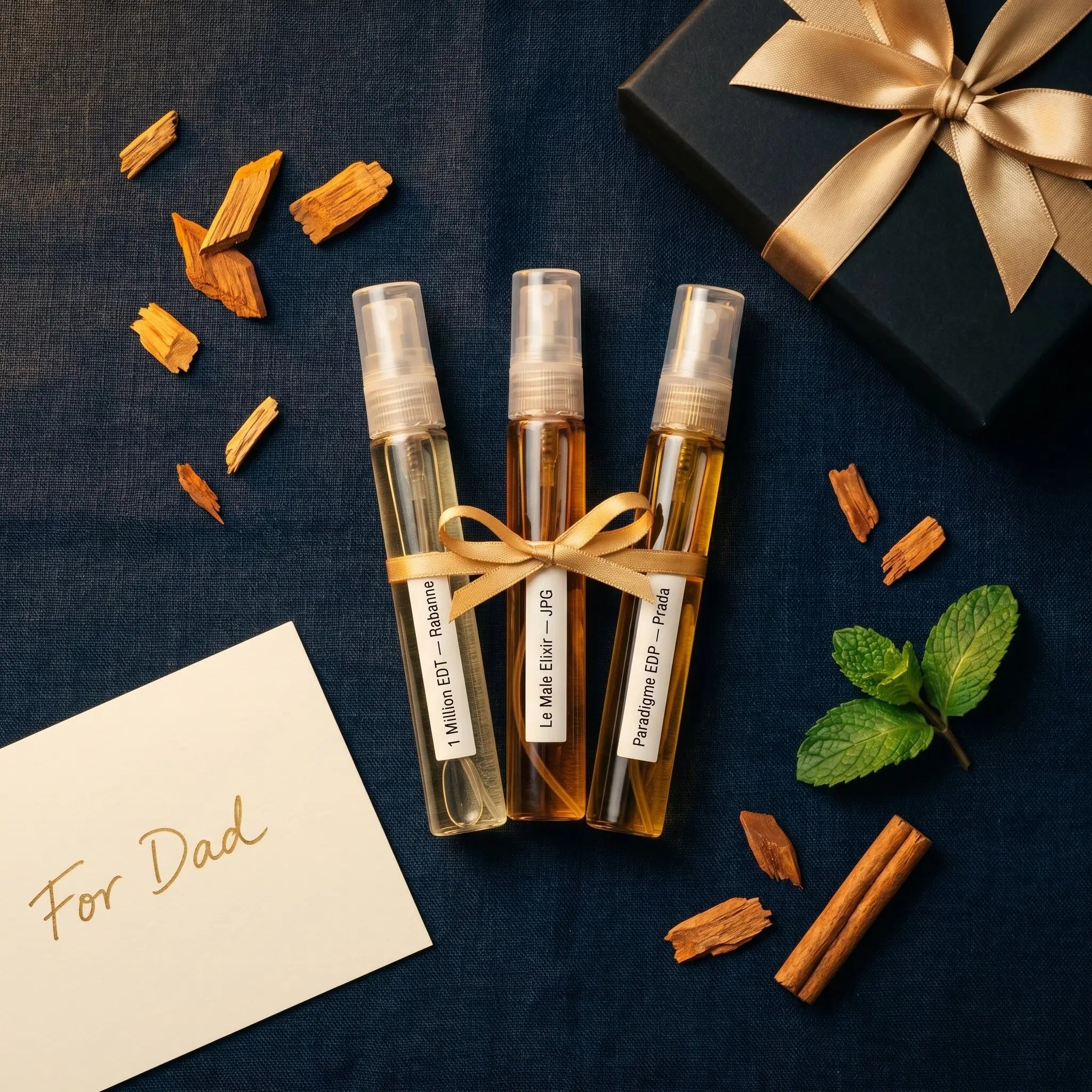

What Is Designer Fragrance and Why It Matters
Finding a genuine designer fragrance at a discount can feel like uncovering a secret in a world filled with imitations and marketing myths. For shoppers across the United States who watch every dollar, the story behind each scent matters just as much as the price tag. Understanding the real meaning behind designer fragrances and the key myths that surround them will help you confidently choose scents that reflect both your taste and your values.
Table of Contents
- Designer Fragrance Meaning and Key Myths
- Types of Designer Fragrances Explained
- Core Features and Creation Process
- Designer Vs Niche Fragrance Comparison
- Buying Tips and Mistakes to Avoid
Key Takeaways
| Point | Details |
|---|---|
| Designer Fragrance Definition | Designer fragrances are created by established fashion brands and represent a blend of cultural significance, craftsmanship, and aesthetic expertise. |
| Fragrance Concentration | The concentration levels of fragrance oils in designer perfumes typically range from 2% to 40%, affecting the scent’s longevity and price. |
| Myths About Designer Fragrances | Common misconceptions include the notion that designer fragrances are always superior to niche options, when in reality quality varies by individual perfumes. |
| Buying Tips | It’s crucial to research retailers, request ingredient transparency, and test fragrances on your skin to ensure authenticity and suitability before making a purchase. |
Designer Fragrance Meaning and Key Myths
Designer fragrance isn’t just a perfume label or a price tag. It’s a cultural symbol shaped by history, social standing, and personal identity. The term “designer fragrance” refers to perfumes created by established fashion houses or luxury brands, but the real meaning goes much deeper than the name on the bottle.
What makes a fragrance “designer”? It’s the combination of brand heritage, creative direction, and production standards. Think of it like the difference between a mass-market T-shirt and one from a respected fashion designer. Both keep you warm, but one carries history, craftsmanship, and cultural significance.
Understanding the Real Definition
A designer fragrance comes from a brand with established reputation in fashion or luxury goods. Brands like Dior, Chanel, and Gucci didn’t start in perfumery—they built their name in fashion first. When they created fragrances, they brought decades of aesthetic expertise and quality standards to scent creation.
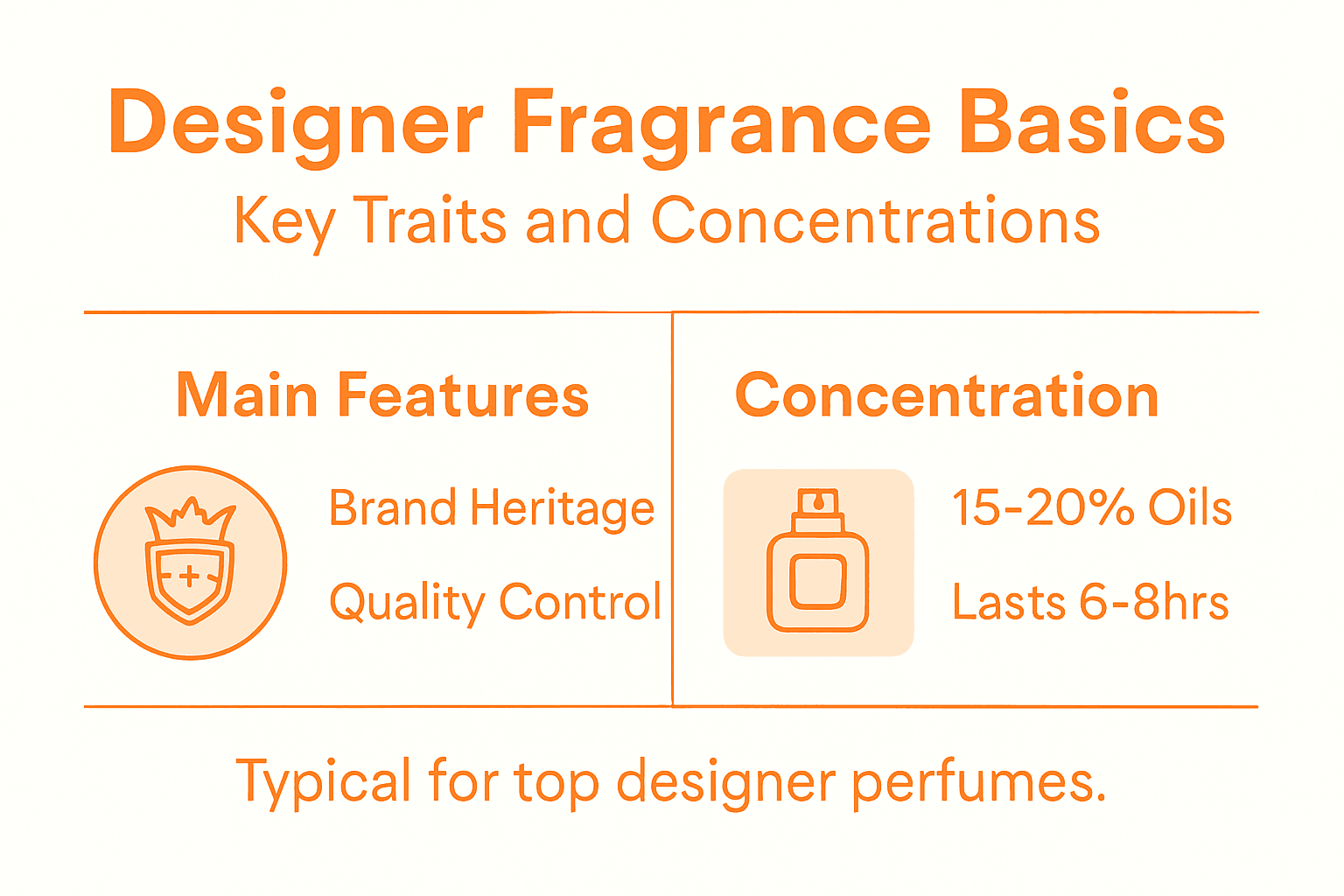
The perfume itself contains specific concentration levels of fragrance oils. Designer perfumes typically use between 15-40% concentration, depending on whether you’re buying eau de parfum, eau de toilette, or cologne. Higher concentration means longer-lasting scent and typically higher cost.
Common Myths About Designer Fragrances
Mythology around designer fragrances runs deep in consumer culture. Fragrances carry meanings shaped by cultural context, influencing how people perceive value and quality. This shapes several misconceptions worth debunking:
-
Myth: Designer fragrances are objectively “better” than niche or generic options. Reality: Quality varies by individual perfume, not by brand status alone. A well-crafted niche fragrance can outlast and smell better than a poorly made designer fragrance.
-
Myth: You get what you pay for 100% of the time. Reality: Designer fragrance pricing includes marketing costs, brand licensing, and retail markup. You’re paying for prestige as much as product.
-
Myth: All designer fragrances smell distinctly different from affordable alternatives. Reality: Many use similar fragrance materials. The difference often lies in concentration and composition complexity rather than ingredient exoticism.
-
Myth: Buying from a department store guarantees authenticity. Reality: Counterfeit products exist everywhere. Authenticity depends on the retailer’s sourcing practices, not the store type.
Why Cultural Context Matters
Designer fragrances function as social signals in ways that go beyond their chemical composition. Personal and generational myths shaped by cultural experience influence how people experience and value fragrances. A scent representing youth and rebellion to one generation might mean something entirely different to another.
Your personal reaction to a designer fragrance reflects your own background, memories, and social surroundings. This is why the same fragrance smells “better” to some people and “boring” to others—perception shapes experience as much as chemistry does.
The Transparency Question
Authenticity matters when buying designer fragrances at a discount. Genuine designer perfumes meet strict manufacturing standards and use properly sourced fragrance components. Counterfeits cut corners on concentration, use cheaper synthetic alternatives, or skip quality control entirely.
When purchasing designer fragrances, verify that your retailer sources directly from distributors and guarantees authenticity. This ensures you receive the actual product the brand intended—with proper concentration, longevity, and scent profile.
Pro tip: Don’t assume price alone determines fragrance quality or authenticity; research the retailer’s sourcing practices and compare actual product reviews rather than relying on brand prestige alone.
Types of Designer Fragrances Explained
Designer fragrances come in different types, and understanding the distinctions helps you choose the right scent for your needs and budget. The main differences revolve around fragrance concentration, longevity, and ingredient sourcing. Each type offers a distinct experience and price point.
The fragrance industry classifies products primarily by concentration level and ingredient origin. Concentration refers to the percentage of fragrance oils dissolved in alcohol, which directly affects how long the scent lasts on your skin. Ingredient origin distinguishes between natural, nature-identical, and synthetic components, each with different costs and characteristics.
Fragrance Concentration Types
When you buy a designer fragrance, you’re choosing based on concentration first. This determines both price and longevity.
Here’s how the main designer fragrance concentrations compare at a glance:
| Concentration Type | Oil Percentage | Typical Longevity | Price Point |
|---|---|---|---|
| Perfume (Extrait) | 20-40% | 6-12+ hours | Highest |
| Eau de Parfum | 15-20% | 4-8 hours | Moderate |
| Eau de Toilette | 5-15% | 2-4 hours | Accessible |
| Eau de Cologne | 2-5% | 1-2 hours | Lowest |
-
Eau de Parfum (EDP): Contains 15-20% fragrance concentration. This is the sweet spot for most buyers—long-lasting (4-8 hours) without the premium price of pure perfume.
-
Eau de Toilette (EDT): Contains 5-15% concentration. These are lighter, fresher, and more affordable. They typically last 2-4 hours and work well for daytime wear.
-
Eau de Cologne: Contains 2-5% concentration. These are the most affordable and shortest-lasting (1-2 hours), popular for refreshing applications throughout the day.
-
Perfume (Extrait): Contains 20-40% concentration. This is the most expensive and longest-lasting option (6-12+ hours), ideal for special occasions.
Ingredient Source Categories
Designer fragrances vary significantly based on their ingredient sourcing. Different fragrance types range from natural to synthetic compounds, influencing both cost and scent characteristics.
Three main categories exist:
-
Natural fragrances use essential oils extracted directly from plants, flowers, and spices. These are expensive and require significant raw material sourcing.
-
Nature-identical fragrances use synthetic molecules that replicate natural scent compounds. They cost less than naturals but deliver the same olfactory experience.
-
Synthetic fragrances use entirely man-made aroma molecules. These are most affordable and allow perfumers creative freedom to craft unique scents impossible in nature.
Most designer fragrances blend all three categories. A fragrance labeled “natural” likely contains some synthetic compounds for stability and longevity.
Designer Fragrance Categories by Purpose
Fragrances are formulated for varying applications across personal care and fine fragrances, creating distinct product categories beyond simple concentration levels.
Designer houses produce fragrances for specific contexts. Understanding popular designer scent trends helps you identify fragrances suited to your lifestyle and occasions.
The right fragrance type depends on your budget, how long you need the scent to last, and whether you prefer natural or synthetic ingredients.
Making Your Choice
Your choice between types depends on three factors: duration expectations, budget, and personal preference for natural versus synthetic ingredients. If you wear fragrance daily, eau de parfum offers the best value—lasting longer than eau de toilette while costing less than perfume.
If you prefer natural ingredients, expect higher prices. Synthetic fragrances deliver excellent quality at lower costs. Many budget-conscious fragrance enthusiasts find that nature-identical fragrances provide the best balance between authenticity and affordability.
Pro tip: Start with eau de parfum concentration from discount retailers rather than paying full price for eau de toilette; you’ll get superior longevity and better value without the premium perfume expense.
Core Features and Creation Process
Designer fragrances aren’t accidents. They’re the result of careful scientific planning, artistic vision, and technical expertise. Understanding how fragrances are created reveals why certain scents cost more and last longer than others.

The creation process combines chemistry and artistry. Perfumers work with hundreds of fragrance molecules, balancing volatility, longevity, and scent perception. Each fragrance is engineered to unfold over hours in a specific progression, revealing different layers as it develops on your skin.
The Core Fragrance Structure
Every designer fragrance follows the same architectural blueprint: top notes, heart notes, and base notes. This layered structure defines how you experience the scent from application to fade.
-
Top notes emerge immediately upon application. They’re volatile, lasting 5-15 minutes. These bright, fresh elements capture your first impression but fade quickly.
-
Heart notes (also called middle notes) appear after top notes fade. They last 30 minutes to several hours and form the true identity of the fragrance. Most of what you remember about a scent comes from these notes.
-
Base notes anchor the fragrance. They emerge after 30 minutes and persist for hours or even all day. These heavy molecules—typically woody, musky, or amber-based—give longevity and depth.
This three-tier system is what separates designer fragrances from simpler scents. Budget alternatives often skip base notes entirely, explaining why they fade within an hour.
The Creation Process
The detailed creation process involves perfumers combining ingredients through molecular structure techniques to achieve specific scent outcomes. This isn’t mixing random oils; it’s precise chemical engineering.
Perfumers begin with a creative brief—the scent’s intended mood, target audience, and occasion. They then select raw materials: natural essential oils, nature-identical synthetics, or man-made aroma molecules. The selection directly impacts cost and longevity.
Next comes formulation. Perfumers blend ingredients in precise ratios, adjusting concentrations to control how notes unfold. The balance of chemistry and creativity solves technical challenges in making fragrances stable, safe, and shelf-stable.
Why This Matters to You
Understanding the creation process explains pricing differences. A fragrance with complex base notes costs more to produce than one using basic synthetic molecules. Natural ingredients add expense. Extended development and testing increase costs.
But here’s the practical benefit: knowing this helps you evaluate whether a discount is genuine value. A cheaper fragrance might use fewer materials or simpler formulation—not necessarily worse, just different.
Designer fragrances cost what they do because skilled perfumers spend months engineering a precise olfactory experience that unfolds predictably on your skin.
Ingredient Safety and Testing
All designer fragrances undergo safety assessments before reaching consumers. Manufacturers test for skin irritation, allergen content, and chemical stability. This regulatory oversight adds cost but protects you from inferior or unsafe products.
Counterfeit fragrances skip these steps entirely. They might irritate skin or contain unsafe chemicals. This is why buying from reputable retailers matters—you’re paying for safety alongside scent quality.
Pro tip: When comparing designer fragrances at discount prices, check ingredient lists and research the base notes; fragrances with rich amber, sandalwood, or musk bases indicate more complex formulation and better longevity than simpler fruity or floral compositions.
Designer vs Niche Fragrance Comparison
Designer and niche fragrances occupy different worlds. Understanding the distinctions helps you decide which category matches your priorities—whether you value accessibility and recognizable scents or prefer exclusivity and artistic risk-taking.
The core difference comes down to production scale, distribution strategy, and creative philosophy. Designer fragrances aim for mass appeal; niche fragrances target specific audiences willing to pay for distinctiveness. Neither is objectively better—they serve different needs.
Scale and Availability
Niche perfumes operate with smaller production runs and selective distribution compared to mass-produced designer fragrances, making them harder to find and typically more expensive. Designer fragrances hit department stores, drugstores, and online retailers everywhere.
Niche fragrances intentionally limit availability. You might need to order from specialty retailers or the brand’s direct website. This scarcity protects exclusivity—your fragrance choice becomes genuinely distinctive because fewer people wear it.
Designer fragrances embrace wide distribution. A popular Dior or Chanel perfume reaches millions of consumers globally. This accessibility has a trade-off: you’ll encounter others wearing the same scent.
Ingredient Philosophy and Artistry
Niche brands focus on individuality, rare ingredients, and artisanal craftsmanship, while designer fragrances prioritize mass appeal and commercial viability. This shapes everything from scent profile to longevity.
Niche perfumers often use rare, expensive ingredients—oud, ambroxan, or unusual botanical extracts. Formulations embrace polarizing scents. A niche fragrance might smell animalic, smoky, or uncompromisingly bitter. Some people love it; others hate it.
Designer perfumers aim for broad appeal. They balance accessibility with sophistication, creating scents that offend no one and appeal to many. This requires calculated compromise.
Price Comparison
Niche fragrances typically cost more per milliliter, but designer fragrances at full retail price approach niche territory. The real difference emerges at discount pricing.
Designer fragrances frequently go on sale. A $90 eau de parfum drops to $50 regularly. Niche fragrances rarely discount—their prices stay firm because production is limited and demand exceeds supply.
For budget-conscious buyers, discounted designer fragrances often deliver better value than niche options. You get established quality at lower cost.
Key Differences in One Look
| Factor | Designer | Niche |
|---|---|---|
| Distribution | Widespread (department stores, online) | Selective (specialty retailers) |
| Price (typical) | $70–120, often discounted | $120–200+, rarely discounted |
| Scent Profile | Accessible, crowd-pleasing | Distinctive, sometimes polarizing |
| Availability | Easy to find | Harder to source |
| Audience | Mass market | Collectors, enthusiasts |
Both designer and niche fragrances offer quality—your choice depends on whether you prioritize accessibility and value or exclusivity and artistic boldness.
Making Your Choice
Choose designer fragrances if you want proven scents at accessible prices, enjoy recognizable profiles, and appreciate discount opportunities. Choose niche if you prioritize uniqueness, don’t mind paying full price, and enjoy taking olfactory risks.
Many fragrance enthusiasts own both. Understanding niche fragrance features helps you evaluate whether the premium justifies your personal preferences and budget constraints.
Pro tip: Start with discounted designer fragrances to understand your scent preferences before investing in niche fragrances; once you know your taste, niche brands reward that self-knowledge with genuinely distinctive options unavailable elsewhere.
Buying Tips and Mistakes to Avoid
Buying designer fragrances at discount prices requires strategy. One wrong choice wastes money on counterfeit products or fragrances that don’t match your skin chemistry. Learning what to avoid and what to prioritize protects your investment.
The biggest mistakes stem from rushing purchases, ignoring ingredient transparency, and trusting unverified sellers. Smart buying combines knowledge about authenticity with understanding your personal scent preferences.
Mistake: Ignoring Ingredient Transparency
Fragrances labeled simply as “fragrance” or “parfum” hide ingredient details. Manufacturers aren’t required to disclose specific aroma molecules, making it impossible to know what you’re actually wearing.
Hidden chemicals in fragrance blends can trigger allergies and sensitivities, especially if you have reactive skin or existing sensitivities. Legitimate designer fragrances should provide ingredient lists or allergen information upon request.
Always ask retailers for ingredient transparency. Reputable sellers provide this information willingly. If a retailer refuses, that’s a red flag signaling potential counterfeit or unsafe product.
Mistake: Buying from Unverified Sellers
Counterfeit designer fragrances flood online marketplaces. They look identical to authentic products but contain inferior ingredients, wrong concentrations, or harmful chemicals. Buying from unknown sellers exposes you to these risks.
Stick with established retailers with verified authenticity guarantees. Check seller reviews, return policies, and whether they source directly from distributors. Authentic retailers don’t hesitate to prove product legitimacy.
Mistake: Skipping the Test First
Fragrance chemistry varies dramatically on individual skin. A scent that smells amazing on a friend might turn sour on you within an hour. Buying blind based on reviews is risky.
Always test fragrances before committing to full-size bottles. Request samples from retailers or visit stores for in-person testing. Wear the sample for several hours to observe how it develops on your specific skin chemistry.
Smart Buying Practices
Follow these steps when purchasing designer fragrances:
Quick reference: Key steps that add value and safety in the designer fragrance buying process:
| Step | Why It Matters | What To Watch For |
|---|---|---|
| Retailer research | Ensures authenticity | Check reviews and return policy |
| Ingredient info request | Discloses allergens and content | Transparency and clear labels |
| Testing on skin | Matches personal chemistry | Use samples before buying |
| Price comparison | Avoids counterfeit deals | Suspiciously low prices |
| Inspecting packaging | Indicates genuine product | Quality print and sturdy bottle |
-
Research retailer authenticity before ordering—verify return policies and seller reputation.
-
Request ingredient information and allergen details from the seller.
-
Look for IFRA compliance—fragrances meeting recognized safety standards indicate manufacturer accountability and consumer protection.
-
Sample first before buying full-size bottles.
-
Compare prices carefully—authentic discounts typically range 30-60%, not 80%+ (extreme discounts signal counterfeits).
-
Check bottle quality—authentic designer fragrances feature sturdy construction, clear liquid, and professional packaging.
Common Red Flags
Avoid these warning signs:
- Unusually steep discounts (80%+ off retail)
- Sellers unable to provide authenticity guarantees
- Missing or vague ingredient information
- Poor packaging quality or spelling errors on labels
- Pressure to buy immediately without testing
- No clear return policy for dissatisfied customers
Smart fragrance buying means prioritizing authenticity, ingredient transparency, and personal skin testing over chasing the lowest price.
Seasonal and Limited Edition Caution
Designer brands release seasonal fragrances and limited editions. Resellers often mark these up dramatically. Avoid FOMO purchasing—if a scent genuinely appeals to you, it’s worth waiting for legitimate stock.
Limited editions do disappear, but rushing to buy from questionable sources risks counterfeit products. Patience beats panic purchases.
Pro tip: Before buying any designer fragrance, request a sample or test it in-store for at least two hours to verify it suits your skin chemistry; this single step prevents expensive mistakes and ensures you genuinely love what you’re purchasing.
Discover Authentic Designer Fragrances You Can Trust
Understanding what makes a designer fragrance special is just the first step. Many shoppers struggle with finding authentic scents while avoiding overpriced or counterfeit options. At Aromatick, we address this challenge by offering a carefully curated selection of genuine luxury perfumes crafted by established fashion houses, including iconic names like Christian Dior and Maison Margiela. We believe you should experience the full artistry of designer fragrances with confidence, knowing each bottle meets strict quality and authenticity standards.
Experience the blend of craftsmanship, heritage, and scent complexity without paying full retail prices. Whether you are exploring the concentrated elegance of Christian Dior Perfumes & Colognes 30-60% Off | Aromatick or the refined allure of Maison Margiela Perfumes 30-60% Off | Aromatick.com, our platform provides access to luxury scents at irresistible discounts.
Shop now at Aromatick and unlock the true meaning of designer fragrances. Choose authentic, embrace your personal style, and enjoy luxury scents crafted to last. Start your fragrance journey today and save without compromise.
Frequently Asked Questions
What defines a designer fragrance?
A designer fragrance is a perfume created by well-established fashion houses or luxury brands, known for their heritage, craftsmanship, and commitment to quality, combining specific concentrations of fragrance oils with artistic expression.
How do designer fragrances differ in concentration levels?
Designer fragrances come in several types based on concentration levels: Perfume (Extrait) has 20-40% oil concentration, Eau de Parfum contains 15-20%, Eau de Toilette is 5-15%, and Eau de Cologne is 2-5%. Higher concentrations offer longer-lasting scents.
What are common myths about designer fragrances?
Some common myths include the belief that all designer fragrances are better than niche options, that pricing always reflects quality, and that department stores guarantee authenticity. Actual quality varies and is not solely tied to the brand.
Why does the creation process of designer fragrances matter?
The creation process combines chemistry and artistry, involving careful selection and blending of ingredients. Understanding this process helps consumers appreciate why certain fragrances cost more and last longer, highlighting the expertise behind the scent.

Leave a comment
This site is protected by hCaptcha and the hCaptcha Privacy Policy and Terms of Service apply.