
Article: What is perfume authenticity: guide to genuine scents

What is perfume authenticity: guide to genuine scents
Many shoppers believe expensive packaging guarantees authenticity, yet counterfeit perfumes often replicate luxury branding with alarming precision. The reality is that fake fragrances flood the market in 2026, containing dangerous chemicals like methanol and antifreeze that pose serious health risks. Understanding perfume authenticity protects you from harmful products while ensuring you experience the true artistry of designer scents. This guide clarifies what authenticity means, how to recognize genuine products, and why it matters for your safety, satisfaction, and investment in luxury fragrances.
Table of Contents
- Understanding What Perfume Authenticity Means
- Health And Quality Risks Of Counterfeit Perfumes
- Techniques And Tips To Verify Perfume Authenticity
- Legal And Market Challenges Surrounding Perfume Authenticity
- Find Authentic Luxury Perfumes You Can Trust
Key takeaways
| Point | Details |
|---|---|
| Authentic perfumes guarantee quality | Genuine products ensure safety, consistent scent profiles, and true brand experience. |
| Counterfeits pose health risks | Fake perfumes contain toxic substances like methanol, antifreeze, and urine that harm skin and respiratory systems. |
| Scientific verification exists | Techniques like GCxGC-TOF MS chemically verify perfume authenticity in laboratory settings. |
| Decants differ from fakes | Decants are genuine perfumes resold in smaller containers, unlike dangerous counterfeit products. |
| Legal protections combat imitation | Brands use Lanham Act claims and trade dress registrations to fight smell-a-likes and protect equity. |
Understanding what perfume authenticity means
Perfume authenticity means purchasing genuine products manufactured by the original brand, not copies or imitations. When you buy an authentic fragrance, you receive the exact formulation, quality standards, and safety testing the designer intended. This distinction matters because the fragrance market includes several confusing product categories that consumers often mistake for each other.
Three main types of non-authentic products create confusion. Counterfeit perfumes are illegal fakes that copy branding, packaging, and scent profiles while using inferior or dangerous ingredients. Luxury brand owners face increased challenges from smell-a-like perfumes that mimic packaging and scent to capitalize on brand recognition without directly violating trademark laws. Decants represent genuine perfumes transferred from original bottles into smaller containers for resale, making them authentic in composition but unauthorized in distribution.
Brands struggle to protect authenticity because these practices blur legal lines. Smell-a-likes avoid direct trademark infringement by making subtle packaging changes while copying overall trade dress. Decanting uses genuine products but violates distribution agreements and dilutes brand control. Counterfeiters operate in illegal markets where enforcement proves difficult and costly.
Authentic perfumes display specific characteristics you should expect:
- Official packaging with correct spelling, high-quality materials, and precise color reproduction
- Verifiable batch codes that trace production dates and manufacturing locations
- Consistent scent profiles matching the brand’s documented fragrance notes
- Proper seals, cellophane wrapping, and security features specific to each brand
- Documentation proving authorized distribution through legitimate retail channels
Understanding authenticity in perfume establishes the foundation for making informed purchases. When you recognize these distinctions, you protect yourself from dangerous products while ensuring your investment delivers the quality experience luxury fragrances promise.
Health and quality risks of counterfeit perfumes
Counterfeit perfumes contain substances that pose immediate and long-term health dangers. Fake fragrances often contain methanol, antifreeze, and urine, creating serious risks beyond poor scent quality. These toxic ingredients bypass safety regulations and quality controls that govern authentic perfume production.
The health impacts range from minor irritation to severe medical conditions:
- Skin reactions including rashes, burns, chemical dermatitis, and allergic responses
- Respiratory problems from inhaling toxic fumes and unregulated alcohol concentrations
- Systemic poisoning from methanol absorption through skin contact or inhalation
- Long-term organ damage affecting kidneys, liver, and nervous system function
- Unknown carcinogenic effects from untested chemical combinations
“Counterfeit cosmetics and fragrances represent one of the fastest-growing categories of dangerous consumer products, with seizures increasing 400% over the past decade as criminals exploit online marketplaces and social media platforms.”
Quality degradation extends beyond health concerns. Counterfeit perfumes fail to replicate the complex layering of top, middle, and base notes that define luxury fragrances. The scent disappears within hours instead of lasting throughout the day. Color and consistency vary between batches because counterfeiters lack quality control systems. Bottles may leak, spray mechanisms malfunction, and packaging deteriorates quickly.
Authentic perfumes undergo rigorous testing to ensure safety and performance. Brands invest millions in research, development, and regulatory compliance. They source high-quality ingredients, maintain sterile production facilities, and test every batch for purity and consistency. Understanding why authentic perfumes matter for quality and safety helps you appreciate the value difference between genuine and counterfeit products.
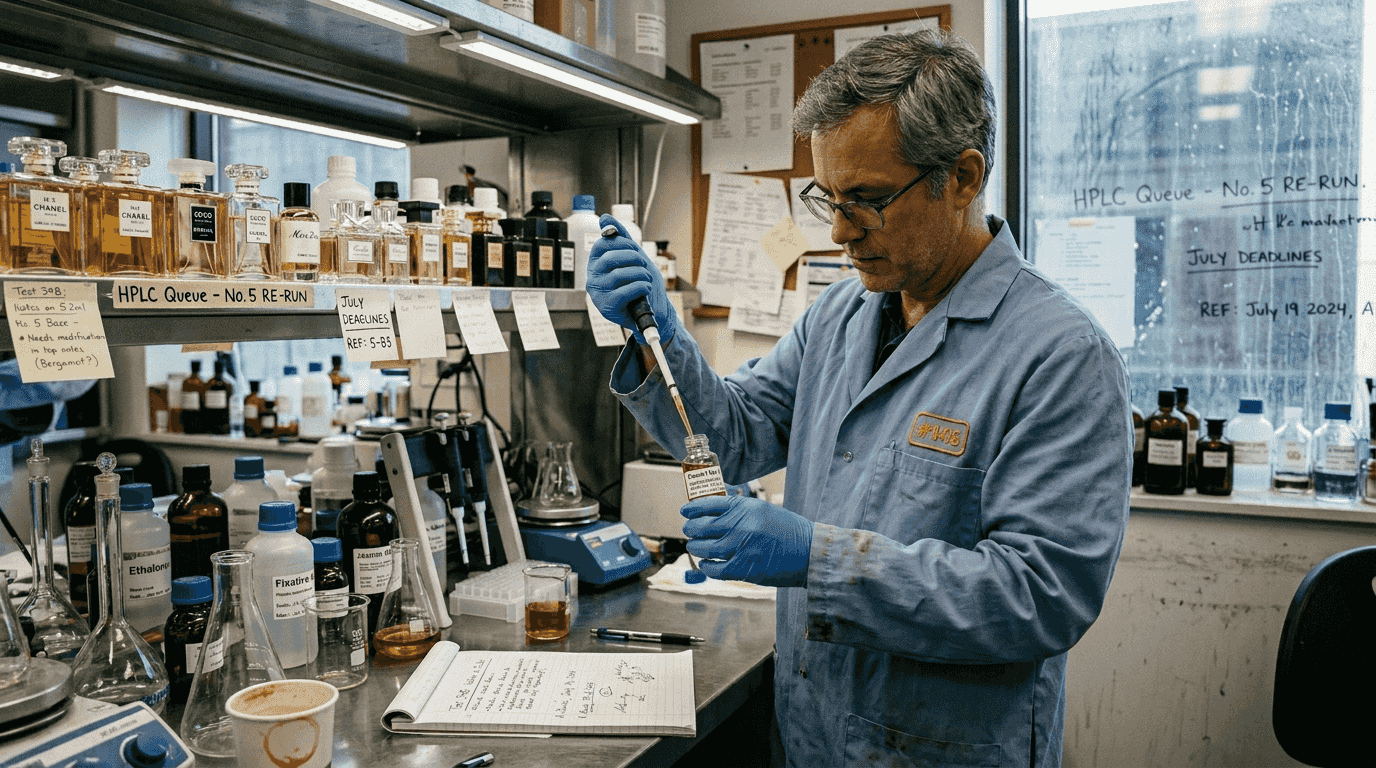
The price difference between authentic and fake perfumes reflects these quality and safety investments. When you encounter suspiciously cheap designer fragrances, you’re likely looking at counterfeits that prioritize profit over consumer wellbeing. The money you save upfront converts into health risks, disappointing performance, and potential medical expenses.
Techniques and tips to verify perfume authenticity
Scientific verification provides the most reliable authenticity confirmation. Laboratories use GCxGC-TOF MS to evaluate brand perfume authenticity by analyzing chemical compositions at the molecular level. This comprehensive two-dimensional gas chromatography paired with time-of-flight mass spectrometry detects subtle differences between authentic formulations and counterfeits. While most consumers lack access to laboratory testing, understanding these methods validates the complexity of perfume authentication.
You can verify authenticity using practical consumer techniques:
- Examine packaging quality by checking for spelling errors, color inconsistencies, and cheap materials that indicate counterfeit production.
- Verify batch codes by contacting the brand directly or using online verification tools that confirm production dates and authorized distribution.
- Compare scent profiles by testing the fragrance against known authentic samples, noting how top notes evolve into middle and base notes over several hours.
- Inspect security features including holograms, serial numbers, QR codes, and brand-specific authentication markers that counterfeiters struggle to replicate.
- Purchase exclusively from authorized retailers, official brand websites, or trusted sources with verified authenticity guarantees and return policies.
This comparison table highlights key differences:
| Feature | Authentic Perfume | Counterfeit | Decant |
|---|---|---|---|
| Chemical composition | Original brand formulation | Imitation with toxic additives | Genuine brand formulation |
| Packaging quality | Premium materials, perfect printing | Cheap materials, errors | Variable, often plain bottles |
| Batch codes | Verifiable with manufacturer | Fake or missing codes | Original codes if transferred |
| Price point | Market standard or authorized discount | Suspiciously low pricing | Below retail, above counterfeit |
| Legal status | Fully authorized | Illegal counterfeit | Unauthorized resale |
| Health safety | Tested and regulated | Dangerous chemicals | Safe if genuinely sourced |
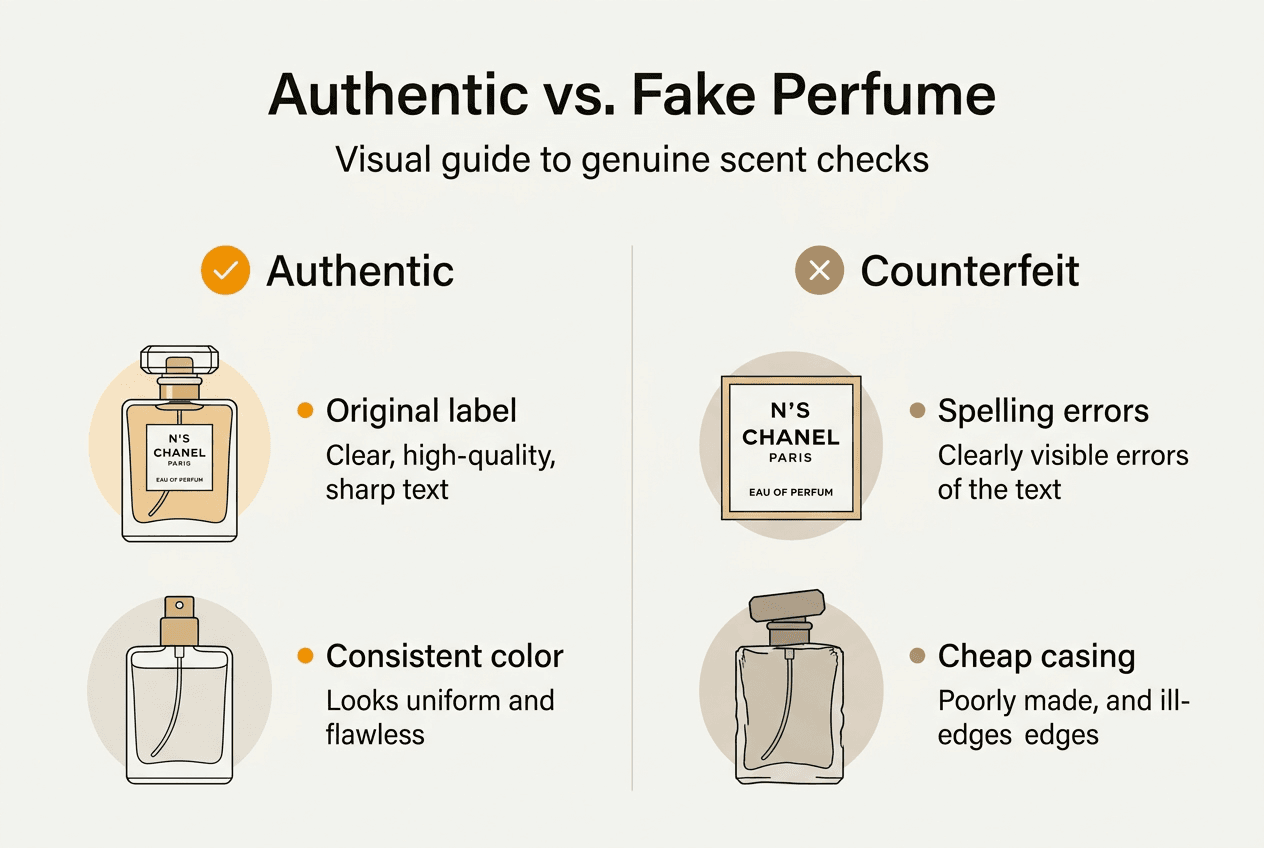
Pro Tip: Compare prices across authorized retailers before purchasing. If a deal seems too good to be true, it probably involves counterfeit products or unauthorized sellers. Legitimate discounts rarely exceed 30-40% off retail prices, even during major sales events.
Learning how to recognize authentic perfumes empowers you to shop confidently in 2026’s complex fragrance market. These verification techniques protect your health, ensure quality, and guarantee you receive the luxury experience you’re paying for. Authentication becomes easier with practice as you develop familiarity with specific brands and their unique characteristics.
Legal and market challenges surrounding perfume authenticity
Luxury fragrance brands navigate complex legal landscapes to protect authenticity against sophisticated imitation tactics. The market challenges intensified in 2026 as smell-a-likes and decanting operations exploit legal gray areas that traditional trademark laws struggle to address. These practices dilute brand equity, confuse consumers, and undermine the substantial investments brands make in fragrance development.
Brands deploy multiple legal strategies to defend authenticity:
- Lanham Act false association claims target products that create consumer confusion about brand affiliation or endorsement
- Federal trade dress registrations protect distinctive packaging elements including bottle shapes, color schemes, and overall visual presentation
- Trademark registrations for fragrance names, logos, and brand identifiers that appear on packaging and marketing materials
- Copyright protections for unique bottle designs, artistic packaging elements, and promotional imagery
- Trade secret protections for proprietary fragrance formulations and manufacturing processes
Enforcement proves challenging because smell-a-likes and decants operate differently than direct counterfeits. Smell-a-likes make subtle changes to packaging and branding that technically avoid trademark infringement while still capitalizing on brand recognition. They market products as “inspired by” or “similar to” luxury fragrances, creating confusion without direct copying. Decanting involves genuine products, making legal action complex since the perfume itself remains authentic even if distribution violates agreements.
The impact extends throughout the fragrance market. Brand equity suffers when consumers associate poor experiences with smell-a-likes or improperly stored decants with the original brand. Market positioning becomes difficult when numerous imitation products crowd retail spaces and online marketplaces. Consumer confusion increases as shoppers struggle to distinguish between authorized products, legal alternatives, and illegal counterfeits.
Lawful authentic perfume sellers provide specific consumer protections:
- Authorized retailer status verified through brand partnerships and official distribution agreements
- Satisfaction guarantees allowing returns if authenticity questions arise
- Transparent sourcing documentation proving legitimate supply chain origins
- Security features and verification systems confirming product authenticity
- Customer service support for authentication questions and concerns
Understanding the role of authenticity in perfumes helps you navigate these market complexities. The legal frameworks protecting authenticity benefit consumers by maintaining quality standards, ensuring safety compliance, and preserving the integrity of luxury fragrance experiences. When you purchase from authorized sources, you support these protective systems while guaranteeing your own satisfaction and safety.
Find authentic luxury perfumes you can trust
Navigating the complex world of perfume authenticity becomes simpler when you shop with verified sources committed to genuine products. After understanding the risks of counterfeits and the importance of verification, you need a trusted partner for your fragrance purchases.
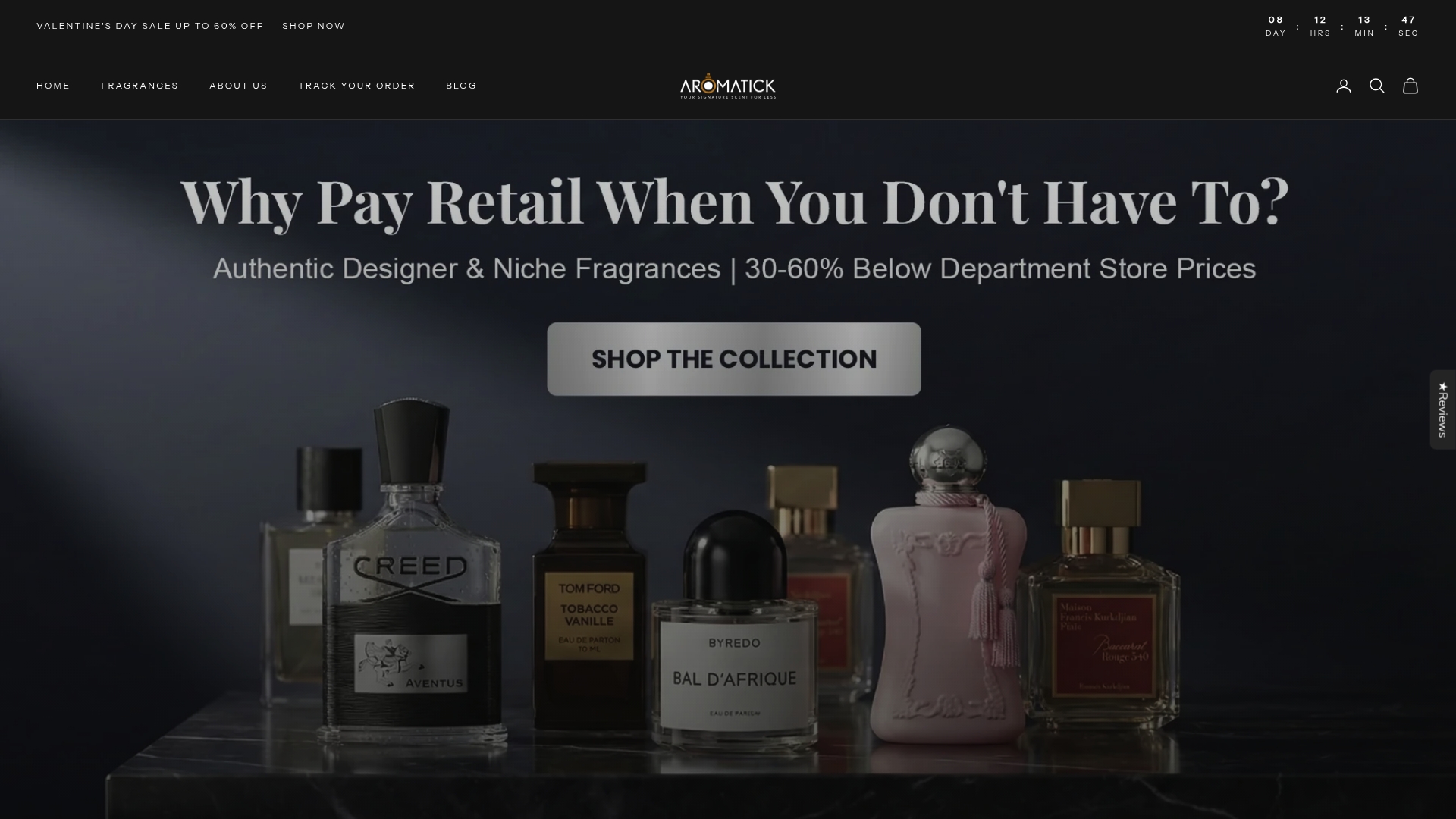
Aromatick specializes in authentic designer and niche fragrances, offering luxury scents at accessible prices without compromising on quality or safety. Every product comes with authenticity guarantees backed by direct relationships with authorized distributors and rigorous verification processes. The platform eliminates overhead costs associated with traditional retail, passing savings directly to you while maintaining the highest standards for genuine products. Explore the curated collection of luxury perfumes featuring popular designer brands and exclusive niche fragrances. The site’s commitment to transparency includes detailed product information, expert curation, and customer support ready to answer authenticity questions. Visit the blog for comprehensive guides including this expert resource on recognizing authentic perfumes that deepens your knowledge and shopping confidence.
FAQ
What is the difference between decants and counterfeit perfumes?
Decants are miniature versions of genuine products transferred from original bottles into smaller containers for resale. They contain authentic perfume formulations but involve unauthorized distribution that may violate brand agreements. Counterfeit perfumes are illegal fakes using imitation ingredients that often include dangerous chemicals like methanol and antifreeze. While decants pose minimal health risks if properly sourced and stored, counterfeits threaten your safety and deliver poor quality experiences that damage brand reputations.
How can I tell if a perfume is authentic before purchasing?
Examine packaging for spelling errors, color inconsistencies, and cheap materials that signal counterfeit production. Verify batch codes by contacting the brand directly or using online authentication tools that confirm production dates. Check for security features including holograms, serial numbers, and brand-specific markers that counterfeiters struggle to replicate. Purchase only from authorized retailers with verified authenticity guarantees and transparent return policies. Consult expert guides on recognizing authentic perfumes to develop your authentication skills and shop with confidence.
Are smell-a-like perfumes illegal and dangerous?
Smell-a-likes mimic brands and packaging to capitalize on recognition while making subtle changes that skirt direct trademark infringement. They occupy legal gray areas, marketing products as “inspired by” luxury fragrances without directly copying protected elements. Most smell-a-likes aren’t dangerous like counterfeits, but they lack the quality guarantees, safety testing, and performance standards of authentic designer perfumes. They mislead consumers seeking genuine brand experiences and dilute the value proposition that justifies luxury fragrance pricing.
Why does perfume authenticity matter in 2026?
Authenticity protects consumers from health risks associated with toxic chemicals found in counterfeit products, including methanol, antifreeze, and untested additives. It ensures you receive the quality, performance, and scent complexity that luxury brands promise through rigorous testing and premium ingredients. Authenticity supports brand integrity by combating market confusion created by rising counterfeit practices, smell-a-likes, and unauthorized decanting operations. Understanding why authentic perfumes matter helps you make informed purchases that deliver true value, safety, and satisfaction in today’s complex fragrance marketplace.
Recommended
- How to recognize authentic perfumes: expert guide 2026
- Understanding the role of authenticity in perfumes
- Role of Authenticity in Perfume – Why It Matters
- Why authentic perfumes matter: quality and safety guide
- 7 conseils pour reconnaître les listes des cartes authentiques - JM Cards
- High Polyphenol Olive Oil Guide: Choose, Taste, and Verify - Terra Centuria


Leave a comment
This site is protected by hCaptcha and the hCaptcha Privacy Policy and Terms of Service apply.