
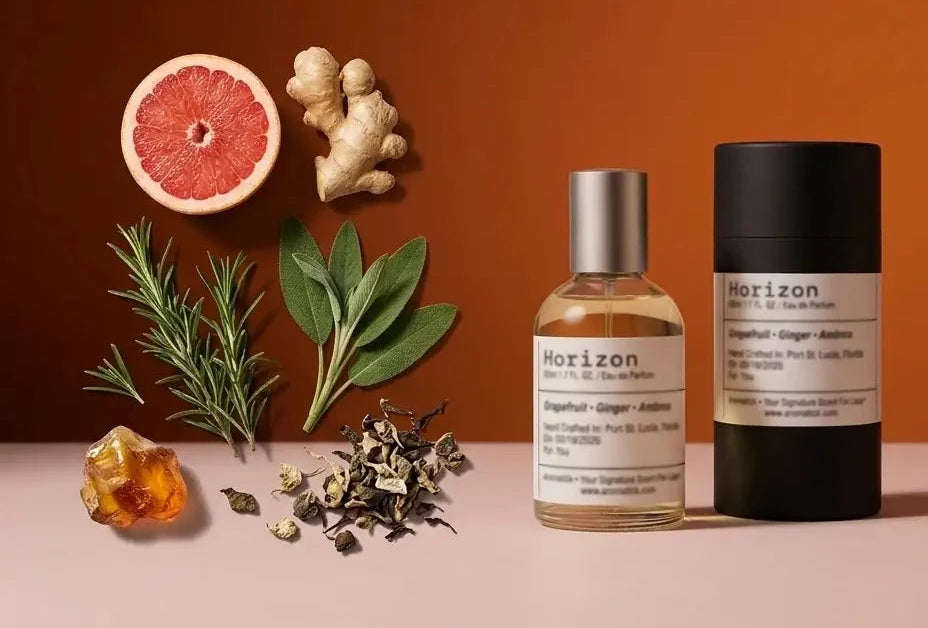

How to Identify Niche Scents: Expert Fragrance Guide
Shopping for niche scents can quickly feel overwhelming when your goal is to discover unique fragrances without breaking the bank. For many American fragrance enthusiasts, balancing authenticity with the hunt for significant discounts means every detail matters. By focusing on a controlled scent environment and learning how to evaluate quality, you enhance your chances of finding real luxury fragrances at the right price.
Table of Contents
- Step 1: Prepare Your Scent Environment
- Step 2: Evaluate Fragrance Notes Carefully
- Step 3: Compare Niche Scents to Mainstream Perfumes
- Step 4: Verify Authenticity and Signature Traits
Quick Summary
| Key Insight | Explanation |
|---|---|
| 1. Prepare a Controlled Testing Space | Clear the air and eliminate distractions to focus solely on the fragrances you are evaluating. |
| 2. Recognize Fragrance Notes Phases | Understand top, heart, and base notes to appreciate how fragrances evolve over time on your skin. |
| 3. Compare Niche and Mainstream Scents | Acknowledge differences in composition, quality, and target audience to inform your personal fragrance preferences. |
| 4. Verify Authenticity of Fragrances | Purchase from authorized retailers and check packaging for signs of authenticity to ensure quality. |
| 5. Take Detailed Testing Notes | Document your experiences with fragrances to improve future comparisons and understanding of your preferences. |
Step 1: Prepare Your Scent Environment
Your ability to identify niche scents depends heavily on how you prepare your testing space. A controlled environment eliminates distractions and lets you focus on what each fragrance actually smells like, not what your surroundings suggest. This step transforms your home into a proper scent evaluation space.
Start with these foundational elements:
- Clear the air of competing scents by opening windows and letting fresh air circulate for 10-15 minutes
- Remove strong odors like cooking smells, candles, air fresheners, or cleaning products that linger
- Choose a neutral room with minimal fabric surfaces (fabric absorbs and holds fragrance molecules)
- Control temperature to a comfortable 68-72°F, since heat affects how scents project
- Ensure adequate lighting so you can see fragrance colors and observe bottle design details
Your olfactory system (your sense of smell) adapts quickly to constant scents, a phenomenon called olfactory adaptation. This means your brain stops registering familiar smells after just 15-20 minutes of exposure. When you’re testing multiple fragrances, this adaptation becomes your biggest challenge.
Address this by creating scent breaks between tests. Step outside for fresh air, smell your own skin or a coffee bean (which resets your nose), or wait 5-10 minutes before testing the next fragrance. Your nasal passages need recovery time to accurately detect subtle differences.
Consider the materials in your testing space carefully. Hard surfaces like tile, wood, or glass don’t absorb fragrance, while carpets and upholstered furniture trap scent molecules. Aim for a bathroom or kitchen with minimal textiles. If testing at home isn’t feasible, a car with windows cracked works well since enclosed spaces contain fragrance projection without overwhelming your senses.
When evaluating fragrances, fragrance sustainability and ingredient sourcing matter increasingly to conscious buyers. Understanding where niche scents source their materials helps you appreciate what makes them distinctive. This awareness deepens your evaluation process beyond just how they smell.
Your preparation sets the foundation for accurate assessment. When you remove variables like competing odors and temperature fluctuations, you’re left with only what matters: the fragrance itself.
A properly prepared scent environment is your most important tool for identifying what makes niche fragrances truly unique.
Pro tip: Test fragrances during the same time of day (preferably morning when your sense of smell is sharpest) and avoid eating strongly flavored foods or coffee immediately before testing, as taste heavily influences your sense of smell.
Step 2: Evaluate Fragrance Notes Carefully
Fragrance notes are the individual scent components that make up a perfume’s complete smell profile. Learning to identify and evaluate them is how you distinguish niche scents from mass-market fragrances. This step teaches you to recognize the layers and understand what makes each fragrance unique.
Fragrances typically unfold in three distinct phases:
- Top notes appear immediately upon application and last 5-15 minutes. These are the first impression, usually bright, zesty, or citrusy scents that grab attention.
- Heart notes (also called middle notes) emerge after top notes fade and last 30 minutes to several hours. These form the fragrance’s true character and often include florals, spices, or woody elements.
- Base notes linger longest, sometimes 4-8 hours or more. These are deeper, heavier scents like musk, amber, sandalwood, or vanilla that anchor the fragrance.
When you first spray a fragrance, don’t judge it immediately. Wait 10-15 minutes for the top notes to settle, then assess how the heart notes feel on your skin. This patience reveals whether a fragrance actually appeals to you or if it was just the initial burst of volatile compounds.
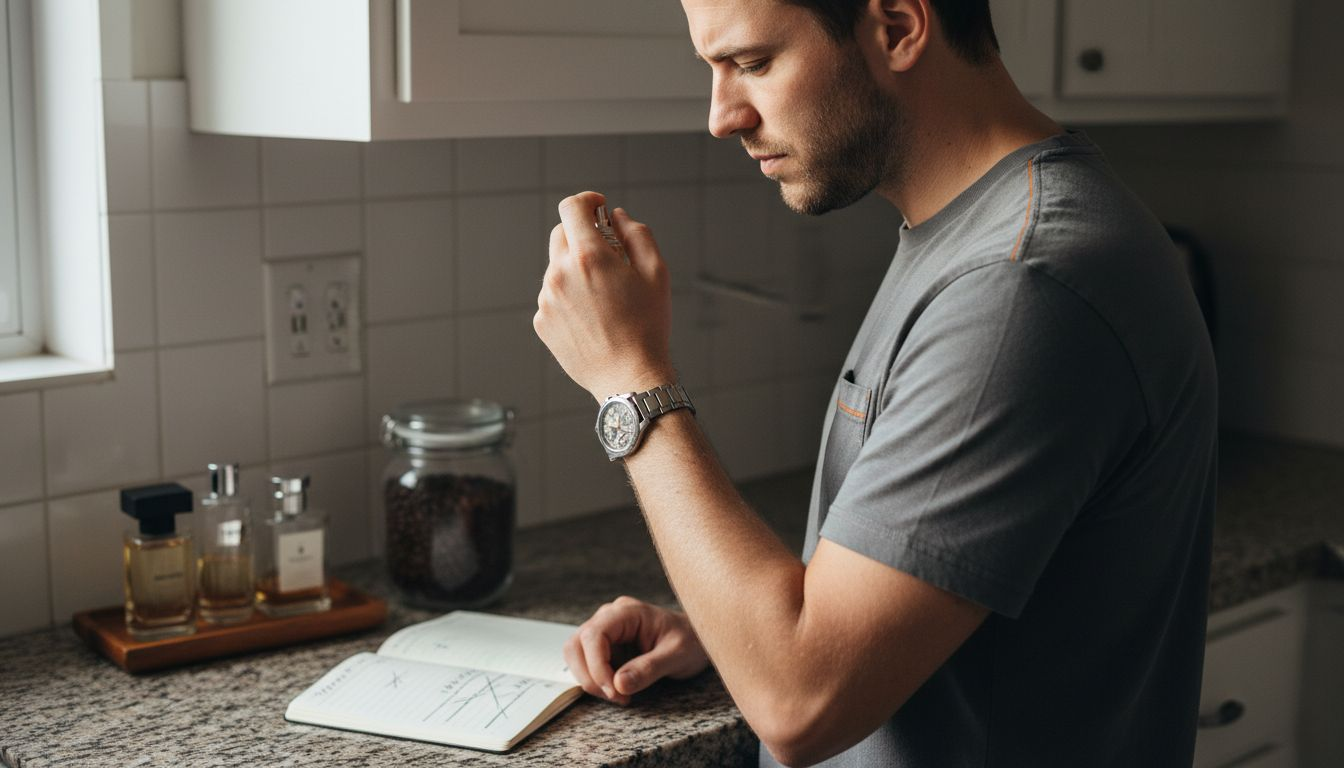
Here’s a quick guide to how different fragrance note phases behave and what to pay attention to:
| Fragrance Phase | Typical Duration | Common Scent Qualities | What to Notice |
|---|---|---|---|
| Top Notes | 5-15 minutes | Bright, fresh, citrus | First impression, initial impact |
| Heart Notes | 30 min–several hours | Floral, spicy, woody | Core character, depth, how it evolves |
| Base Notes | 4-8 hours or more | Musky, amber, vanilla | Lasting trail, skin scent, richness |
Pay attention to how notes interact with your skin chemistry. The same fragrance smells different on everyone because your body temperature, skin pH, and natural oils influence how scent molecules behave. What smells wonderful on a friend might feel completely different on you. This is why testing woody and amber fragrance elements on your own skin matters more than reading descriptions.
Be aware of potential common fragrance allergens that might irritate your skin. Ingredients like limonene, linalool, and eugenol occur naturally in many fragrances but can trigger sensitivities in some people. If you have sensitive skin, note any itching, redness, or irritation and track which fragrances cause reactions.
Don’t confuse strength with quality. A fragrance that projects heavily for 12 hours isn’t necessarily better than one with subtle projection that lasts 4 hours. Niche fragrances often prioritize refined composition and quality ingredients over lasting power. Focus on whether the scent genuinely appeals to you across all three phases.
Quality fragrance evaluation means understanding how notes develop on your skin, not just how they smell in the bottle.
Pro tip: Write detailed notes about fragrances you test, including the time of day, what you were wearing, and how each phase felt. Your fragrance memory improves dramatically when you capture these details, making future comparisons easier and more accurate.
Step 3: Compare Niche Scents to Mainstream Perfumes
Understanding the differences between niche and mainstream fragrances helps you appreciate what makes niche scents special. This comparison clarifies why you might prefer one category over the other and what to expect when evaluating each type.
Mainstream perfumes target the broadest possible audience with tried-and-true scent profiles. They rely on safe, recognizable notes like vanilla, musk, and citrus that appeal to millions of shoppers. Mass-market fragrances prioritize consistency, longevity, and instant appeal. You’ll find them everywhere, from department stores to drugstores, with heavy marketing budgets behind familiar names.
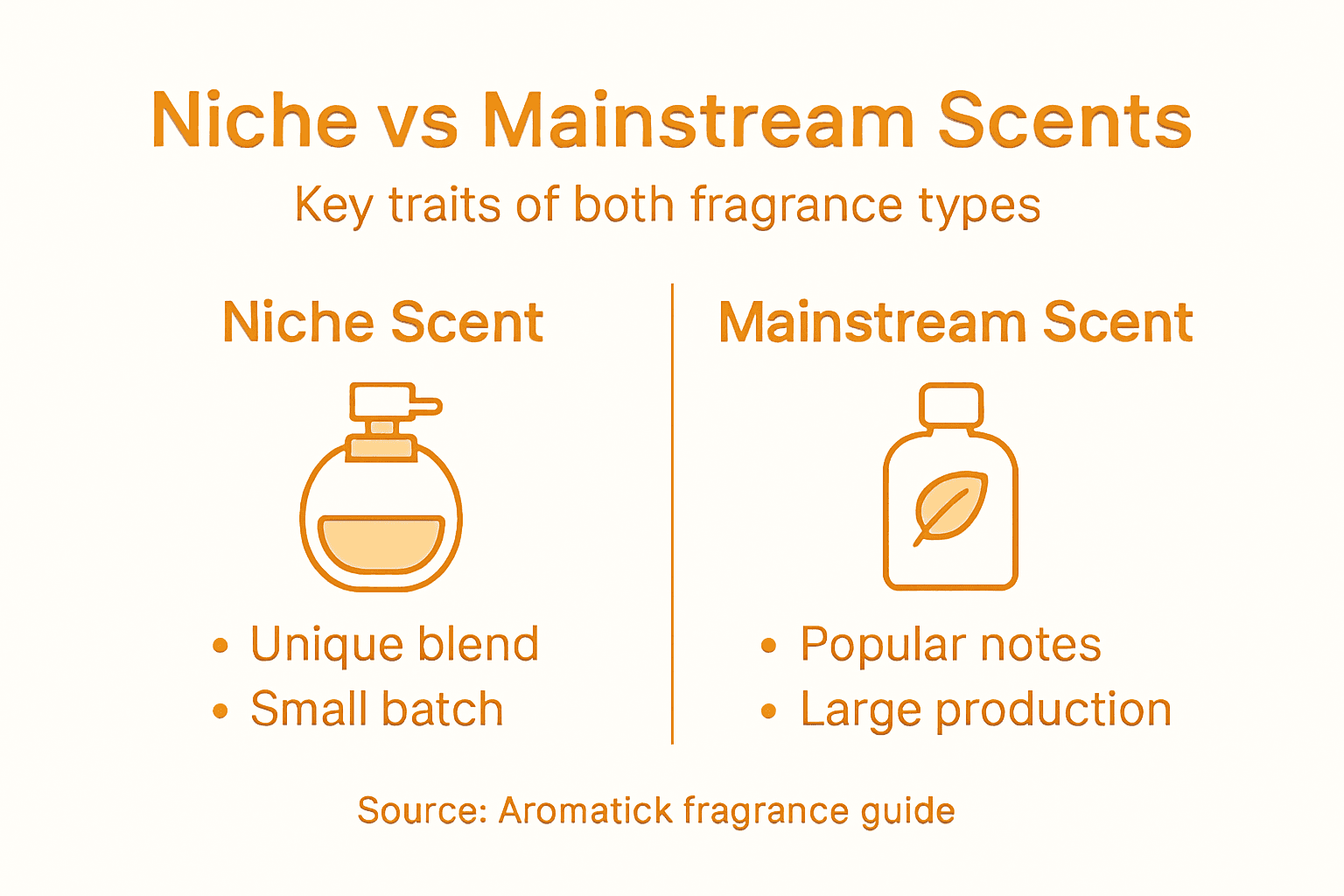
Niche fragrances take a completely different approach. They’re created for people seeking unusual, artistic scents that stand out. Niche perfumery emphasizes artistic composition and rare ingredients, often using unconventional combinations that might seem strange at first but reward closer attention.
Here’s how they differ in practice:
- Ingredient quality is noticeably higher in niche fragrances, featuring rare botanicals, precious resins, and specialty aroma molecules
- Production volume stays limited, ensuring exclusivity and allowing perfumers more creative freedom
- Distribution is selective, often through specialty retailers or directly from the brand, not mass channels
- Scent profiles embrace complexity and subtlety rather than immediate, crowd-pleasing appeal
- Price per milliliter seems higher, but better concentration and longevity mean better value
When testing, notice how mainstream fragrances typically hit you immediately with a strong, familiar smell. They’re designed to grab attention fast. Niche fragrances often feel quieter at first, revealing layers and nuance the longer you wear them. What feels subtle initially becomes increasingly captivating.
Don’t assume niche means better simply because it costs more. Some people genuinely prefer mainstream fragrances, and that’s completely valid. The real difference is intentionality. Mainstream brands aim for maximum appeal. Niche brands create for people with specific, sophisticated taste. You need to know which category matches your preferences.
Price differences exist because niche scents use distinctive, higher-quality ingredients and avoid expensive marketing campaigns. They pass those savings toward better perfume composition instead of billboard advertising.
Use this side-by-side comparison to better understand what sets niche and mainstream perfumes apart:
| Aspect | Niche Fragrances | Mainstream Perfumes |
|---|---|---|
| Ingredient Uniqueness | Rare and experimental | Familiar and predictable |
| Distribution | Specialty retailers | Department stores |
| Scent Complexity | Multi-layered, nuanced | Simple, widely appealing |
| Price Focus | Value in composition | Value in accessibility |
| Target Audience | Enthusiasts, collectors | General public |
The best fragrance isn’t the most expensive or the most popular—it’s the one that genuinely resonates with your individual taste and lifestyle.
Pro tip: When comparing fragrances side-by-side, test one on each wrist and wait 15 minutes before deciding which appeals to you more. This prevents decision fatigue and lets you assess how each develops rather than reacting to immediate top notes.
Step 4: Verify Authenticity and Signature Traits
Authentic niche fragrances have distinctive characteristics that set them apart from counterfeits and imitations. Learning to verify authenticity protects your investment and ensures you’re experiencing the fragrance exactly as the perfumer intended. This step shows you what genuine niche scents look and feel like.
Start by checking the source of purchase. Authentic niche fragrances come from authorized retailers, official brand websites, or specialty fragrance shops. If you’re buying at a steep discount, verify the retailer’s credentials. Legitimate discount retailers like Aromatick maintain authentic inventory and authenticity guarantees. Suspiciously cheap prices from unknown sellers should raise red flags.
Examine the bottle and packaging closely. Authentic niche fragrances feature high-quality construction with precise printing, consistent labeling, and secure caps. The liquid inside should be clear or have a specific color (depending on the fragrance), never cloudy or discolored. Spelling errors, misaligned labels, or flimsy packaging indicate counterfeits.
Verify the fragrance’s signature traits that define its identity:
- Scent consistency remains the same each time you wear it, never varying wildly
- Projection and longevity match the brand’s stated profile and your previous experiences
- Opening notes develop exactly as described, not dramatically different from batch to batch
- Ingredient transparency is available through the brand’s official channels or website
- Batch codes are present and match the brand’s dating system when you verify them
Brand authenticity relies on transparent production processes and consistent quality standards. Niche brands that prioritize transparency often publish detailed ingredient lists, sourcing information, and production methods. If a brand refuses to disclose these details, that’s a warning sign.
Research the brand’s history and distribution network. Authentic niche scents retain original sourcing and artistic integrity regardless of corporate ownership. Some niche brands are now owned by larger companies, but they maintain their founding vision and quality standards. Verify this through official brand statements and customer reviews from trusted fragrance communities.
Compare your fragrance to reviews and descriptions from fragrance databases. If your experience dramatically differs from multiple credible sources, the fragrance may be counterfeit or past its expiration date. Authentic fragrances age gracefully, but extremely old stock can deteriorate.
Authenticity isn’t just about avoiding fakes—it’s about ensuring you experience the artist’s true vision with every spray.
Pro tip: Keep detailed records of your fragrance purchases including retailer, date, batch code, and initial impressions. This documentation helps you spot counterfeits immediately and builds a reference library for comparing fragrances over time.
Discover and Embrace Your Perfect Niche Scent Today
Identifying niche fragrances requires understanding subtle notes, authentic origins, and unique scent profiles. If you struggle to find high-quality, genuine perfumes that truly reflect your individual taste, Aromatick is your ideal partner. Specializing in exclusive collections like the Arabiyat Prestige Collection: Luxurious Arabian Perfumes and Maison Alhambra Perfumes - Affordable UAE Scents | Aromatick, we help you explore rare and artistic scents with confidence and ease.
Take control of your fragrance journey now with Aromatick’s commitment to authenticity, exceptional quality, and up to 60% discounts on designer and niche perfumes. Experience free shipping and satisfaction guarantees for a risk-free discovery of your signature scent. Visit Aromatick today and unlock the world of sophisticated fragrances crafted just for you.
Frequently Asked Questions
How can I prepare my environment for testing niche scents?
To prepare your environment for testing niche scents, start by clearing the air of competing odors, such as cooking smells and strong cleaning products, and let fresh air circulate for about 10-15 minutes. Choose a neutral room with minimal fabric surfaces, control the temperature between 68-72°F, and ensure good lighting to properly observe fragrances.

Leave a comment
This site is protected by hCaptcha and the hCaptcha Privacy Policy and Terms of Service apply.