
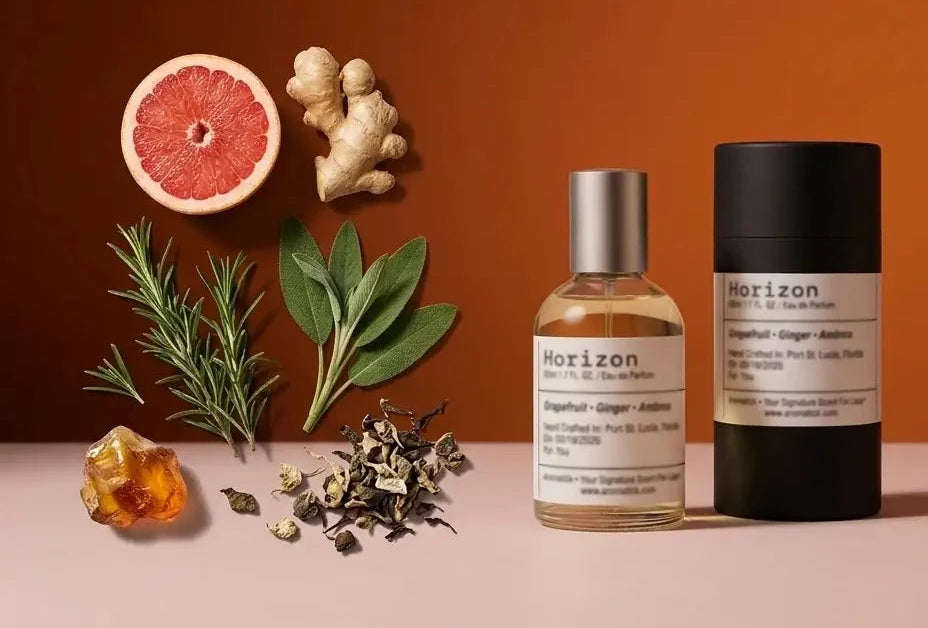

How to select fragrances: step-by-step guide for authentic choices
TL;DR:
- Understanding fragrance types and notes helps predict how a scent will evolve and last on skin.
- Self-assessment of lifestyle and preferences guides smarter fragrance choices and collection building.
- Testing in-store or online with careful strategies prevents costly mistakes and ensures authenticity.
You spray a fragrance at the counter, love it instantly, and bring it home. Two days later, it smells nothing like you remembered. This is one of the most common and frustrating experiences in fragrance shopping, and it costs people real money every year. The good news is that this outcome is almost entirely avoidable. With a methodical approach, you can cut through the noise of marketing claims, sales pressure, and social media hype to find scents that genuinely suit you. This guide walks you through every step, from understanding what’s in the bottle to building a collection you’ll actually use and enjoy.
Table of Contents
- Understand fragrance types and notes
- Identify your preferences and lifestyle needs
- Test fragrances like a pro: in-store and online strategies
- Avoid common pitfalls and buy authentic
- Making your purchase: smart shopping and collection building
- Our perspective: Why methodical selection beats trends and hype
- Discover your next scent with Aromatick
- Frequently asked questions
Key Takeaways
| Point | Details |
|---|---|
| Know fragrance basics | Understanding scent types and notes helps you decode labels and choose wisely. |
| Match scent to lifestyle | Reflect on your habits, environment, and occasions to pick fragrances that fit your life. |
| Sample before buying | Always test fragrances on your skin and monitor their evolution before purchasing. |
| Verify authenticity | Look for trusted retailers and avoid deals that seem too good to be true to prevent counterfeits. |
| Build your collection intentionally | Choose only scents you truly love and will wear, to maximize both value and personal satisfaction. |
Understand fragrance types and notes
Every fragrance on the market belongs to a concentration category, and that category tells you a lot about how long it will last and how strongly it will project. Here are the main types you’ll encounter:
- Eau de Cologne (EDC): The lightest concentration, typically 2 to 4 percent aromatic compounds. Refreshing but short-lived, usually two to three hours.
- Eau de Toilette (EDT): Ranges from 5 to 15 percent concentration. A popular everyday option with moderate longevity, roughly four to six hours.
- Eau de Parfum (EDP): Higher concentration, usually 15 to 20 percent. Richer, longer-lasting, and better suited for cooler weather or evening wear.
- Parfum (Extrait): The most concentrated form, 20 to 30 percent or more. A small amount goes a long way, and it can last all day.
Understanding perfume vs cologne differences helps you set realistic expectations before you even open a bottle.
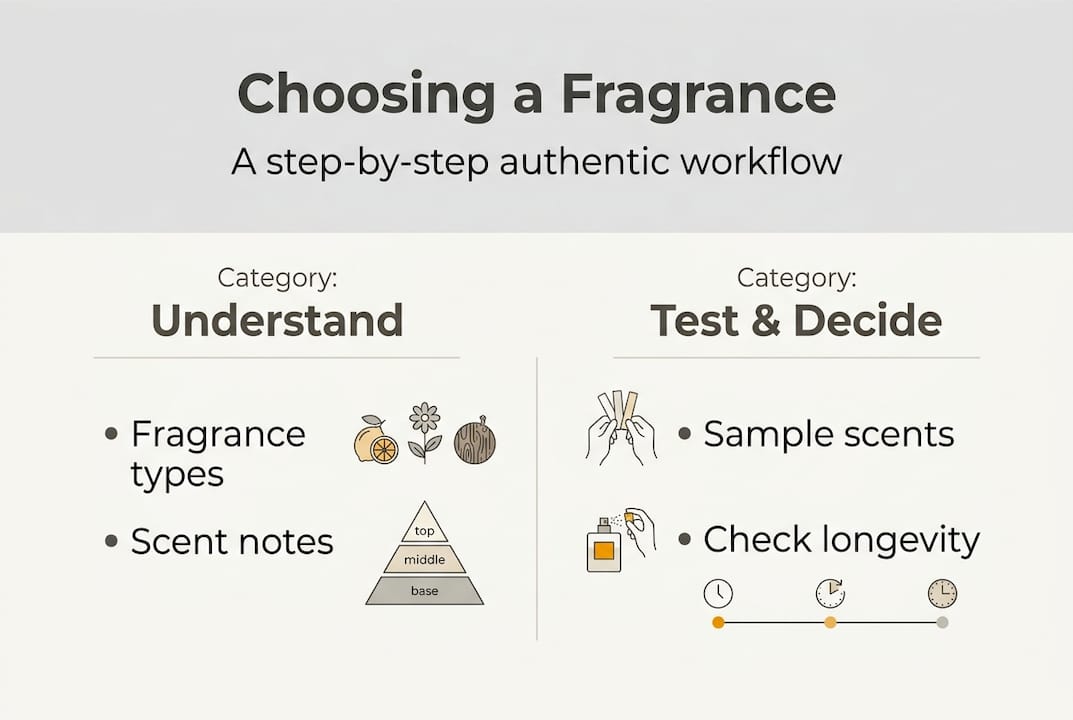
Beyond concentration, every fragrance is built in layers called notes. These are divided into three stages:
Top notes are what you smell immediately after spraying. They’re bright and volatile, meaning they evaporate quickly. Common examples include citrus, bergamot, and light herbs. They create the first impression but rarely represent the full scent.
Middle notes (also called heart notes) emerge after 15 to 30 minutes. They form the core character of the fragrance. Floral, spicy, or green accords typically live here.
Base notes are the foundation. They appear after an hour or more and are what you smell at the end of the day. Musks, woods, amber, and vanilla are classic base notes. As fragrance notes explained shows, understanding notes helps predict a perfume’s full evolution on skin.
Pro Tip: Never judge a fragrance by the first spray. Spray it on your wrist, go about your day for at least an hour, and then evaluate the dry-down. That’s the scent you’ll actually be wearing.
Identify your preferences and lifestyle needs
Having covered the fundamentals, it’s time to focus on your unique preferences and how to translate them into smart fragrance choices. The most effective way to do this is through honest self-assessment before you ever walk into a store or browse online.
Start by thinking through these four key areas:
- Your daily environment. Do you work in a professional office, an open-air setting, or from home? Heavy, intense fragrances can be overwhelming in close quarters. Lighter, clean scents tend to work better in professional spaces.
- Your activity level. Active lifestyles call for fresh, aquatic, or citrus-forward scents that won’t clash with sweat or feel suffocating during movement.
- Your social occasions. Date nights, formal events, and casual outings each call for a different scent register. A rich oriental or woody fragrance reads very differently at a gala than at a weekend brunch.
- Your climate. Heat amplifies projection and can turn a beautiful EDP into something overwhelming. Seasonal fragrance selection matters because matching scents to seasons genuinely improves satisfaction and personal expression.
Once you’ve answered those questions, you can start mapping your answers to fragrance families:
- Fresh and aquatic: Clean, light, often citrus or marine-based. Great for warm weather and daytime wear.
- Floral: From soft and powdery to bold and heady. Versatile across genders and seasons.
- Woody and earthy: Warm, grounding, and often long-lasting. Works well in cooler climates and formal settings.
- Oriental and gourmand: Rich, sweet, and spicy. Best suited for evenings and cold weather.
- Fougère and aromatic: Herbal and structured, often associated with classic masculine profiles.
If you’re curious about stepping beyond mainstream options, choosing niche scents can open up a world of more distinctive, artistic expressions that align with a very specific personal identity.
Building a simple wishlist based on your lifestyle answers is one of the most underrated steps in smart fragrance shopping. It keeps you focused and prevents impulse decisions.
Test fragrances like a pro: in-store and online strategies
Once you’ve identified what you like, the next step is putting those preferences to the test. Both in-store and online shopping have real advantages and real limitations. Knowing how to navigate each one saves you money and regret.
In-store testing process:
- Start with a test strip (also called a blotter) to get a rough first impression of a fragrance’s character.
- Narrow your options to two or three, then spray each on a different area of skin, such as the inner wrist and the inner elbow.
- Wait at least 30 minutes before comparing. The fragrances need time to interact with your skin chemistry.
- Return to each spot after an hour to evaluate the dry-down and base notes.
- Live with your top choice for a full day if possible before committing to a purchase.
| Testing method | Pros | Cons | |—|—|—|| | In-store blotter | Quick first impression, no commitment | Doesn’t reflect how it smells on your skin | | In-store skin test | Accurate dry-down, real chemistry | Olfactory fatigue limits how many you can test | | Online sample sets | Test at home, at your own pace | Small quantities, shipping time involved | | Discovery sets | Curated options, often brand-specific | Cost adds up if you buy many |
Online shopping requires a different strategy. Many retailers offer sample programs or discovery sets that let you test before committing to a full bottle. This is especially valuable for niche fragrance selection, where bottles can be significantly more expensive.
Pro Tip: Olfactory fatigue is real. After testing three or four scents, your nose stops distinguishing them accurately. Take breaks, smell coffee beans or your own skin to reset, and never rush the process.
As designer fragrance tips make clear, trying a scent multiple times and in different contexts is the single best way to avoid costly mistakes.
Avoid common pitfalls and buy authentic
Knowing what to sample is only half the battle. Here’s how to make sure your investment is safe and worthwhile.
Counterfeit fragrances are a genuine problem in the market, particularly online. They can smell similar to the real thing initially but often contain low-quality or even harmful ingredients. Here’s how to spot the difference:
| Authentic fragrance | Counterfeit warning signs |
|---|---|
| Clear, consistent liquid | Cloudy or discolored liquid |
| Precise, even font on label | Blurry, misaligned, or misspelled text |
| Tight, secure cap fitting | Loose or wobbly cap |
| Batch code on bottle and box | Missing or mismatched batch codes |
| Retailer offers return policy | No returns accepted |
Beyond counterfeits, there are buyer behaviors that lead to regret even with genuine products. Common fragrance mistakes to avoid include:
- Making blind buys based solely on online reviews or influencer recommendations
- Purchasing full bottles of fragrances you’ve never tested on your skin
- Chasing hype around limited releases without considering personal fit
- Ignoring the return policy before purchasing
- Buying from marketplaces with no seller verification
Warning: Purchasing from non-reputable sellers, especially on unverified third-party platforms, significantly increases your risk of receiving counterfeit or degraded product. Always verify the seller’s reputation, check for a clear return policy, and be skeptical of prices that seem too far below retail.
A structured niche selection workflow can help you apply the same careful thinking to every purchase, whether you’re buying a $40 EDT or a $300 niche parfum.
Making your purchase: smart shopping and collection building
After careful testing and safeguarding against mistakes, it’s time to seal the deal and build a satisfying scent wardrobe. This stage is about making confident, intentional decisions rather than reactive ones.
Follow these steps before finalizing any purchase:
- Confirm you’ve tested on skin. Never skip this step, even for a fragrance you’ve read about extensively.
- Evaluate size vs. value. A 100ml bottle is better value per milliliter, but only if you’ll realistically use it. A 50ml bottle of something you love beats a 100ml bottle of something you tolerate.
- Check the retailer’s authenticity guarantees. Look for clear statements about sourcing, return policies, and customer support.
- Compare prices across trusted sources. Significant discounts are possible from legitimate retailers, but extreme price drops should raise questions.
- Decide on your occasion purpose. Know whether this bottle is for daily wear, special occasions, or seasonal rotation before you buy.
For collection building, keep these principles in mind:
- Aim for variety across fragrance families so you have options for different moods and seasons
- Rotate your bottles to ensure even use and prevent fragrance degradation from long storage
- Set a realistic budget per bottle and per quarter to avoid overcollecting
- Prioritize bottles you’ll reach for regularly over ones that simply look impressive on a shelf
As the niche perfume workflow approach demonstrates, step-by-step thinking helps ensure you pick the right scent for your style and budget every time.
Our perspective: Why methodical selection beats trends and hype
The fragrance industry generates enormous amounts of content designed to create urgency. Limited editions sell out. Influencers rave about releases. Online communities hype certain bottles to cult status. All of this can make you feel like you’re missing out if you don’t act fast.
But the most satisfied fragrance wearers we’ve observed are rarely the ones with the biggest collections or the most hyped bottles. They’re the ones who know exactly why they own each bottle and reach for it regularly. That kind of confidence comes from self-awareness and patience, not from following trends.
Buying less and curating intentionally leads to lasting satisfaction and far fewer regrets. A collection of five fragrances you genuinely love will serve you better than twenty bottles chosen impulsively. True scent confidence comes from discovery and reflection. If you’re ready to explore beyond mainstream options, distinctive niche fragrance style offers a compelling case for why personal expression should always lead the decision.
Discover your next scent with Aromatick
Now that you have a clear, practical framework for selecting fragrances, the next step is finding the right place to shop with confidence. Aromatick offers a carefully curated selection of authentic designer and niche fragrances at up to 60% off retail prices, so you can apply everything you’ve learned without overpaying.
Every product on the Aromatick fragrance collection is sourced for authenticity, backed by a satisfaction guarantee, and supported by free shipping options. Whether you’re looking for your first signature scent or adding a seasonal piece to an existing collection, you’ll find genuine options across every fragrance family. Browse with the knowledge you now have, and let your next bottle be a choice you’re proud of.
Frequently asked questions
How do I know if a fragrance will last on my skin?
Test the fragrance on your skin and check how it smells after two to three hours, since longevity depends on concentration and your individual skin chemistry. EDPs and parfums generally outlast EDTs on most skin types.
What is the best way to sample multiple fragrances?
Start with blotter strips for a quick overview, then apply no more than two scents to different areas of skin. Testing strips and skin together gives you a complete picture of how a scent develops over time.
How can I avoid buying fake fragrances online?
Only purchase from verified retailers with clear return policies and authentic sourcing statements. Signs of fake fragrances include unusually low prices, blurry label printing, and missing batch codes on the bottle and box.
Should I choose designer or niche fragrances?
Designer fragrances are generally more accessible and budget-friendly, while niche options offer more artistic and distinctive scent profiles. Niche perfumes provide distinct experiences that go well beyond what mass-market releases typically offer, making them worth exploring once you know your preferences.

Leave a comment
This site is protected by hCaptcha and the hCaptcha Privacy Policy and Terms of Service apply.