
Why Pay Full Price for Perfume: A Buyer's Guide
TL;DR:
- Full-price perfumes feature rare natural ingredients and higher concentrations that justify their cost. Discounted fragrances often rely on synthetic ingredients and have shorter longevity, making them suitable for casual use. Authenticity and proper sourcing protect your investment when paying full price for quality fragrances.
Paying full price for perfume means investing in rare natural ingredients, expert blending, and a scent that genuinely lasts. The fragrance industry calls this the value proposition of fine perfumery, and it is built on real differences in ingredient quality, oil concentration, and craftsmanship. But that does not mean full price is always the right choice. Understanding what drives perfume pricing helps you spend confidently, whether you are eyeing a $300 niche bottle or a $28 daily option. This guide breaks down exactly when full price earns its keep and when a discounted alternative is the smarter move.
Why pay full price for perfume?
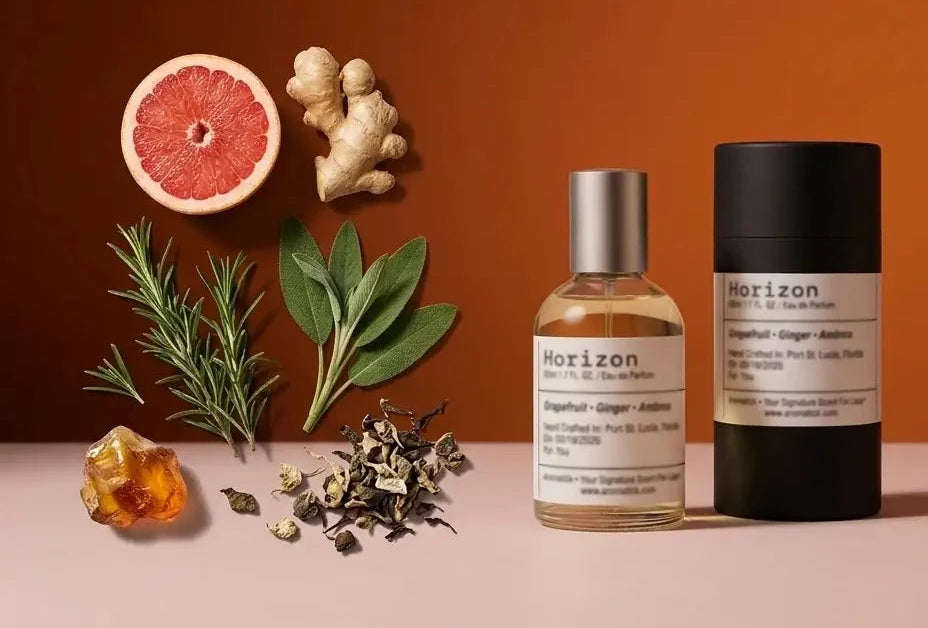
Full price perfumes are built around ingredients that are genuinely difficult to source. Rare naturals like orris root, jasmine absolute, ambergris, and oud require complex extraction processes and come from specific regions of the world. Orris root, for example, must be aged for three to five years before it yields the powdery, violet-like quality perfumers prize. That kind of production timeline has a direct cost.
Concentration is the second major driver. Eau de parfum and extrait formulations carry a higher percentage of fragrance oils than eau de toilette or body sprays. More oil means longer wear and a richer, more layered scent on the skin. A single application of a quality EDP can last eight to twelve hours, while a body spray may fade within two. That difference in performance is a real return on investment.
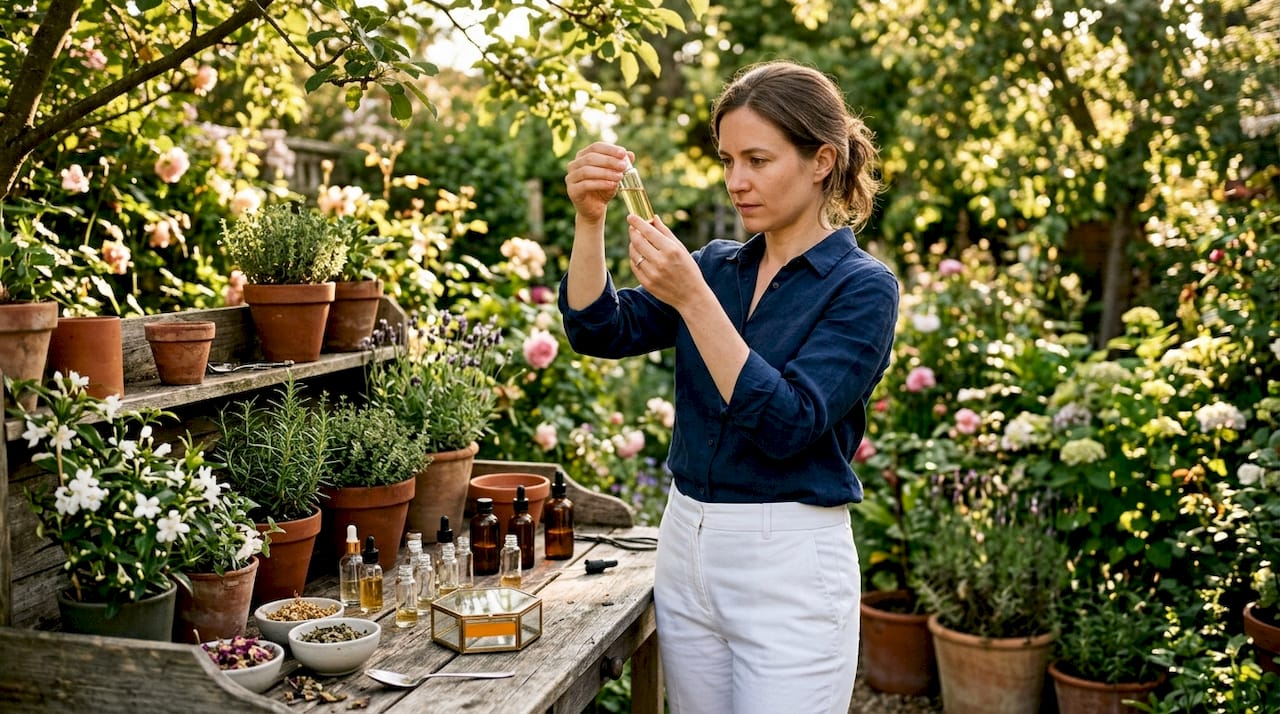
Master perfumers at houses like Chanel, Dior, and Initio Parfums Privés spend months or years developing a single fragrance. The blending process involves dozens of ingredients arranged in top, heart, and base notes that evolve across hours of wear. That complexity is not accidental. It is the result of trained expertise and controlled small-batch production that budget formulas rarely replicate.
Pro Tip: Check the label before you buy. “Extrait de parfum” carries the highest oil concentration, followed by EDP, then EDT. If longevity matters to you, the concentration label is the most reliable guide to value.
Ingredient and concentration comparison
| Ingredient or factor | Premium perfume | Budget perfume |
|---|---|---|
| Key ingredients | Natural orris, oud, jasmine, ambergris | Synthetic aroma molecules |
| Fragrance oil concentration | 15–40% (EDP to extrait) | 1–8% (EDT to body spray) |
| Scent longevity | 6–12+ hours | 1–4 hours |
| Scent complexity | Multi-layered top, heart, base notes | Simpler, often single-phase |
| Price impact | High, due to sourcing and production | Low, due to synthetic substitution |
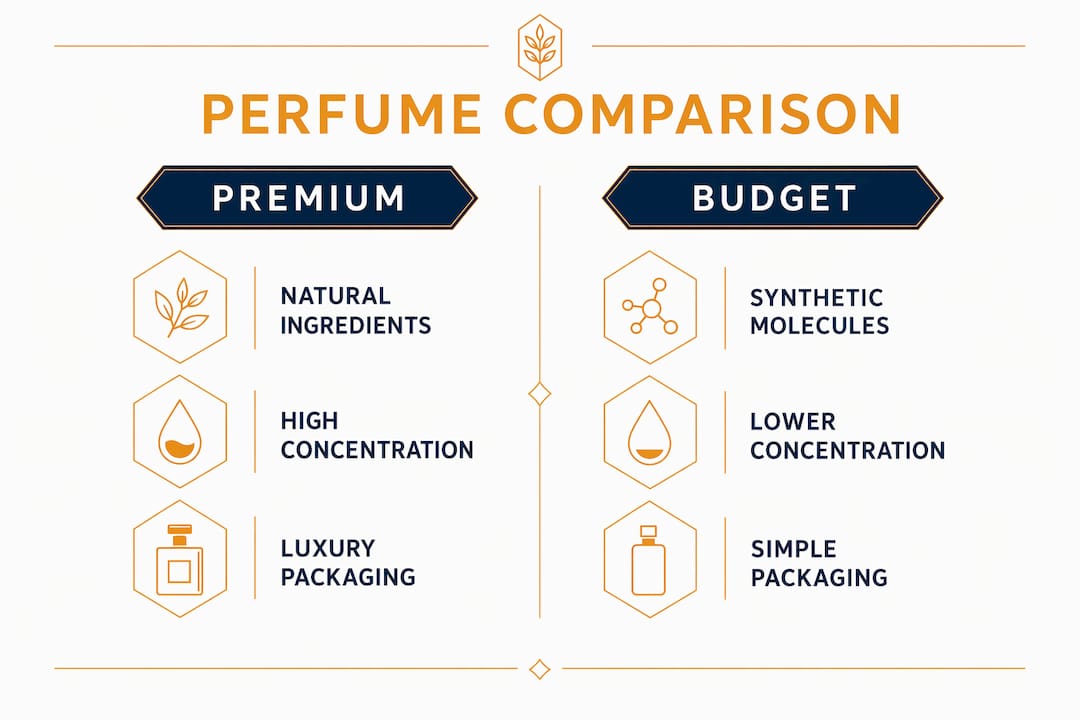
Luxury packaging and brand heritage also factor into full price. A Baccarat Rouge 540 bottle is a design object as much as a fragrance vessel. Brand prestige adds a layer of value that is partly emotional and partly cultural. That is not irrational. For many consumers, the ritual of owning and wearing a recognized luxury fragrance is part of the experience they are paying for.
How do affordable or discounted perfumes compare?
Affordable perfumes rely primarily on synthetic aroma molecules rather than costly natural extracts. Synthetic ingredients can effectively capture the personality of a fragrance category, such as fresh citrus, warm amber, or clean musk, without duplicating every nuanced note. For daily or casual wear, that approximation is often good enough.
The clearest difference shows up in the drydown. The drydown phase is where cheaper fragrances most commonly diverge from their premium counterparts. A budget floral may open with a convincing rose note but shift toward something sharper or sweeter within an hour as the synthetic components burn off. Premium fragrances tend to deepen and soften through the drydown rather than fade or flatten.
That said, many affordable perfumes under $30 perform well for casual or daily use and can smell genuinely high-end on first impression. Body mists and fragrance alternatives in this price range are practical choices for gym bags, office drawers, or seasonal rotation. The key is matching the product to the occasion rather than expecting it to replace a signature scent.
Factors to consider when choosing an affordable perfume
- Occasion fit: Casual and daily wear rarely require a complex, long-lasting fragrance.
- Scent category: Common profiles like fresh citrus or vanilla translate well to affordable formulas.
- Longevity expectations: Budget options typically need reapplication after three to four hours.
- Skin chemistry: Synthetic notes interact differently with individual skin, sometimes more unpredictably.
- Drydown behavior: Test on skin for at least thirty minutes before deciding.
- Packaging needs: If the bottle lives in a drawer, premium packaging adds no practical value.
One persistent misconception is that a higher price guarantees a better personal fit. Price does not always equal quality in the sense that matters most: how a fragrance smells on your skin. A $250 oud-heavy extrait may be objectively complex and beautifully crafted, yet completely wrong for your skin chemistry or lifestyle. A $40 clean musk may feel like a second skin from the first spray. Personal resonance is a legitimate measure of value.
For consumers who want discounted luxury scents without sacrificing quality, the real question is not cheap versus expensive. It is authentic versus inauthentic, and well-matched versus poorly matched.
Why authenticity and source matter when paying full price
Counterfeit fragrances are a genuine risk in the perfume market. Fake bottles can contain diluted or entirely different formulas, and some include skin irritants or unlisted allergens. Buying authentic perfume from official resellers or authorized dealers protects both your investment and your skin. When you pay full price through a trusted channel, you know exactly what you are getting.
Spotting a counterfeit requires attention to detail. Authentic packaging uses precise font alignment, consistent batch codes on both the box and bottle, and high-quality printing with no smearing or color variation. The bottle weight and cap fit should feel solid. If a deal looks dramatically below market value from an unverified seller, that gap is usually explained by what is missing from the formula.
Pro Tip: Use a batch code checker like CheckFresh or Checkfresh.com to verify a perfume’s production date and authenticity before purchasing. The code is printed on the bottle base and the box.
Authorized online retailers eliminate most of these risks. Aromatick, for example, sources directly and guarantees authenticity on every bottle, which means consumers get genuine formulas at reduced prices without the counterfeit gamble. A guide to spotting authentic scents can help you build the habit of verifying before you buy, regardless of where you shop.
How to decide when to pay full price or seek discount alternatives
The decision is not binary. Full price makes sense in specific situations, and discounted options make sense in others. Working through a few clear questions helps you spend where it counts.
- Identify the occasion. A signature scent for job interviews, dates, or formal events warrants a premium investment. A gym or commute fragrance does not.
- Sample before committing. Try 2ml samples of any fragrance before buying a full bottle. Sampling prevents expensive mistakes and helps you understand how a scent evolves on your skin over hours.
- Check the concentration. If you want all-day wear from a single application, EDP or extrait concentration justifies the higher price. For lighter, occasional use, an EDT or affordable alternative is sufficient.
- Assess how often you will wear it. A fragrance you reach for daily earns a higher per-use value from a full-price bottle. A seasonal or novelty scent may be better served by a smaller or discounted option.
- Evaluate the brand component honestly. If the prestige of the house matters to your experience of wearing it, that is a real value. If it does not, redirect that budget toward a better-fitting fragrance at a lower price.
- Consider authenticated discount sources. Authentic fragrances at 30–60% off retail exist through legitimate channels. A guide to buying discounted perfumes authentically can help you access the same quality without the full retail markup.
For common scent profiles like fresh citrus or vanilla, affordable alternatives can deliver comparable aromatic experiences and meaningful savings. Reserve the full-price investment for fragrances that are genuinely rare, deeply personal, or built around ingredients that have no affordable synthetic equivalent. Smart shoppers also find that budget-friendly perfume selection does not require compromising on the experience, only on the retail channel.
Key takeaways
Full-price perfume is worth the investment when ingredient quality, concentration, and personal fit align. Discounted authentic fragrances offer the same formula at a lower cost when sourced correctly.
| Point | Details |
|---|---|
| Ingredients drive price | Rare naturals like oud, orris, and jasmine justify premium costs through sourcing complexity. |
| Concentration determines longevity | EDP and extrait formulas last significantly longer than EDT or body spray options. |
| Drydown reveals quality | Budget fragrances often diverge from premium scents after the first hour of wear. |
| Authenticity protects your investment | Buying from verified sources prevents counterfeit risks that affect scent and skin safety. |
| Sampling prevents waste | Testing 2ml samples before committing to a full bottle saves money and avoids poor fits. |
My honest take on full-price fragrance
I have tested fragrances across every price point, and the honest truth is that the correlation between price and personal satisfaction is weaker than the industry wants you to believe. I have worn $400 niche bottles that felt cold and disconnected on my skin, and I have reached for a $35 clean musk on days when nothing else felt right.
Where full price genuinely earns its place is in the ingredients. When a fragrance is built around real oud or aged orris, you can feel the difference in how the scent moves and deepens across hours. That is not marketing. That is chemistry. But when a fragrance is priced high primarily because of the brand name on the cap, the value equation shifts considerably.
My advice is to treat fragrance like any other considered purchase. Sample widely, pay attention to what happens after the first thirty minutes, and buy full price only when a scent has proven itself on your skin over multiple wearings. The best fragrance is not the most expensive one. It is the one you reach for without thinking.
— Rodney
Authentic luxury fragrances at Aromatick
Aromatick carries a wide range of authentic designer and niche fragrances for men and women, all sourced to guarantee genuine formulas. Every bottle is the real product, not a diluted or inspired version.
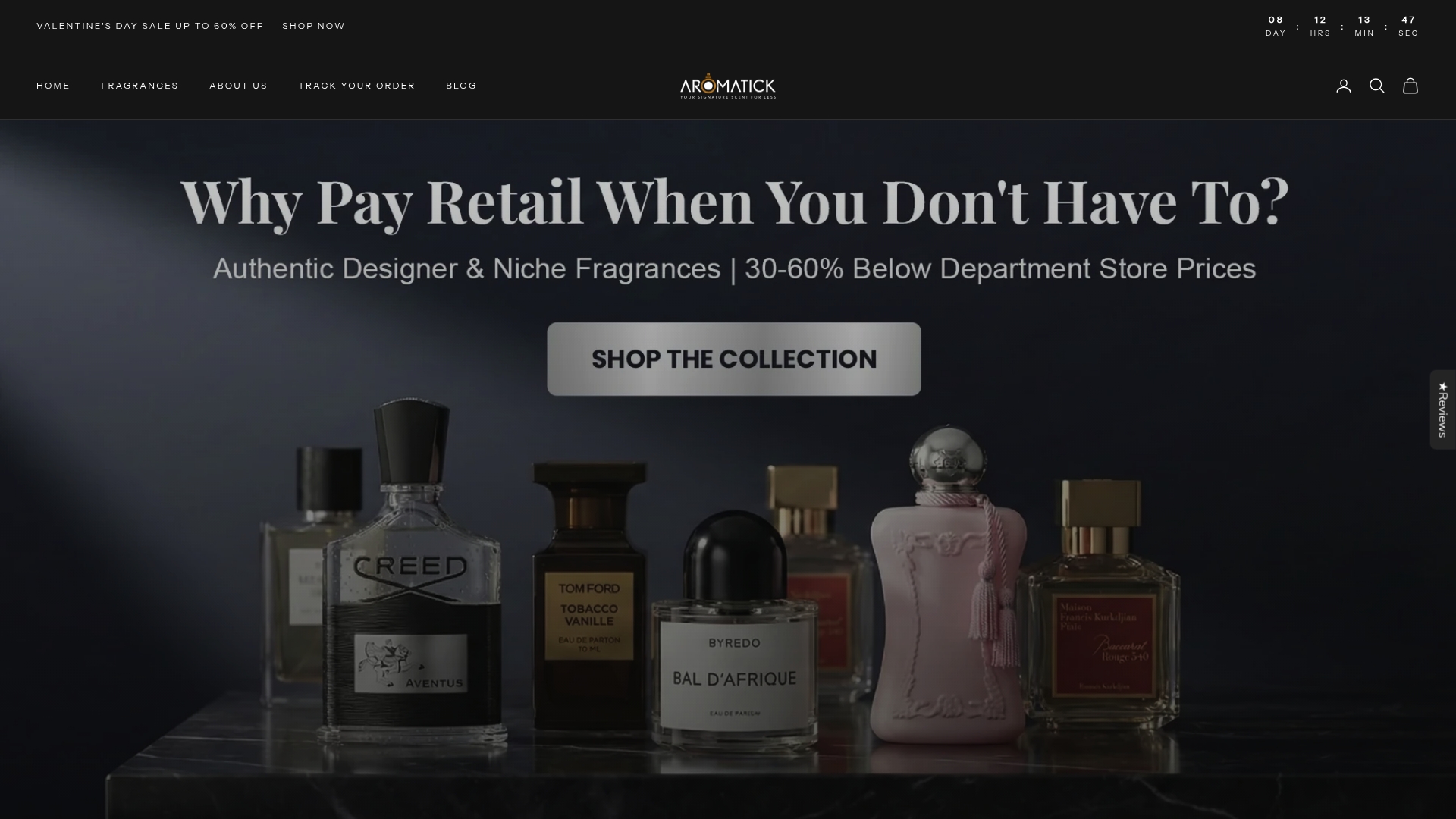
Aromatick’s designer fragrance collection offers savings of 30–60% off standard retail prices, which means you get the same quality ingredients and concentration without the department store markup. Whether you are looking for a signature EDP or want to explore niche fragrances from houses like Initio Parfums Privés, Aromatick makes the investment more accessible. Free shipping, secure payments, and a satisfaction guarantee back every order.
FAQ
Why is full-price perfume so expensive?
Full-price perfumes use rare natural ingredients like oud, jasmine, and orris root, which require complex extraction and global sourcing. Higher fragrance oil concentration and small-batch production by master perfumers also add significantly to the cost.
Do cheap perfumes smell the same as expensive ones?
Affordable perfumes can approximate the opening notes of premium fragrances but typically diverge during the drydown phase. Synthetic ingredients used in budget formulas behave differently on skin over time, producing a simpler or shorter scent experience.
How can I save on perfume without buying fakes?
Shop through authorized online retailers that guarantee authenticity, such as Aromatick, which offers genuine designer fragrances at 30–60% off retail. Always verify batch codes and packaging details before purchasing from any unfamiliar seller.
Is eau de parfum worth the extra cost over eau de toilette?
EDP formulations carry a higher concentration of fragrance oils, which means longer wear and a richer scent from fewer sprays. For consumers who want all-day performance without reapplication, the price difference is justified by the performance gap.
When should I buy a discounted fragrance instead of paying full price?
Discounted fragrances make sense for daily wear, casual occasions, or when testing a new scent category before committing to a full-price bottle. For signature or special-occasion fragrances, full price through a verified source protects both quality and authenticity.

Leave a comment
This site is protected by hCaptcha and the hCaptcha Privacy Policy and Terms of Service apply.