
Fragrance longevity explained: lasting scents & smart choices
TL;DR:
- Fragrance longevity is how long a scent stays detectable on skin, influenced by concentration, skin type, and environment.
- Base notes like musk and amber significantly enhance scent duration, while application and skin moisturization also matter.
- Personal chemistry, habits, and olfactory fatigue cause scents to fade differently for everyone, making enjoyment of scent moments important.
You spray your favorite perfume in the morning and by noon it’s gone. Meanwhile, a friend wearing the same bottle smells incredible eight hours later. That gap isn’t random, and it isn’t just about price or prestige. Fragrance longevity is shaped by a specific set of factors—your skin, the formula, how you apply it, even what you ate that day. Understanding those factors puts you in control. This guide breaks down exactly what longevity means, what drives it, and how you can make smarter choices every time you shop for or wear a scent.
Table of Contents
- What is fragrance longevity?
- What determines how long a scent lasts?
- Why does the same perfume last differently for everyone?
- How to choose and wear long-lasting fragrances
- Why longevity isn’t everything: The case for enjoying scent moments
- Discover scents that last—at prices you’ll love
- Frequently asked questions
Key Takeaways
| Point | Details |
|---|---|
| Longevity defined | Fragrance longevity means how long a scent remains noticeable after application. |
| Major influencing factors | Skin type, base notes, concentration, and environment all play a key role in how long a perfume lasts. |
| Application techniques | Moisturizing your skin and using pulse points can extend the scent’s life. |
| Price vs. composition | Expensive perfumes don’t always last longer—look at composition instead. |
| Personal variation | Body chemistry and habits mean a scent’s longevity varies from person to person. |
What is fragrance longevity?
Fragrance longevity is simply how long a scent remains detectable on your skin after application. It sounds straightforward, but it’s often confused with two related terms: sillage and projection. Projection refers to how far a scent radiates from your body, while sillage describes the trail a fragrance leaves as you move through a room. A perfume can have strong projection but short longevity, or it can linger quietly close to the skin for hours. These are distinct qualities, and knowing the difference helps you judge a fragrance more accurately.
For practical purposes, longevity breaks into three general ranges:
- Short: 1 to 3 hours
- Moderate: 4 to 6 hours
- Long: 7 hours or more
Why does this matter beyond personal preference? It directly affects your cost-per-wear. A bottle that lasts eight hours on your skin gives you more value per spray than one that fades in two. It also affects convenience—nobody wants to carry a bottle in their bag just to reapply mid-afternoon.
The fragrance type (also called concentration) plays a major role in longevity. Here’s a breakdown of the most common categories:
| Fragrance type | Concentration | Typical longevity |
|---|---|---|
| Eau de Cologne (EDC) | 2–4% | 1–3 hours |
| Eau de Toilette (EDT) | 5–15% | 3–5 hours |
| Eau de Parfum (EDP) | 15–20% | 5–8 hours |
| Parfum (Extrait) | 20–30%+ | 8–12+ hours |
These are averages. Real-world results vary based on skin type, environment, and the specific aromatic molecules used. Understanding fragrance notes explained is a good starting point, because the structure of a formula—top, heart, and base notes—directly shapes how longevity plays out over time.
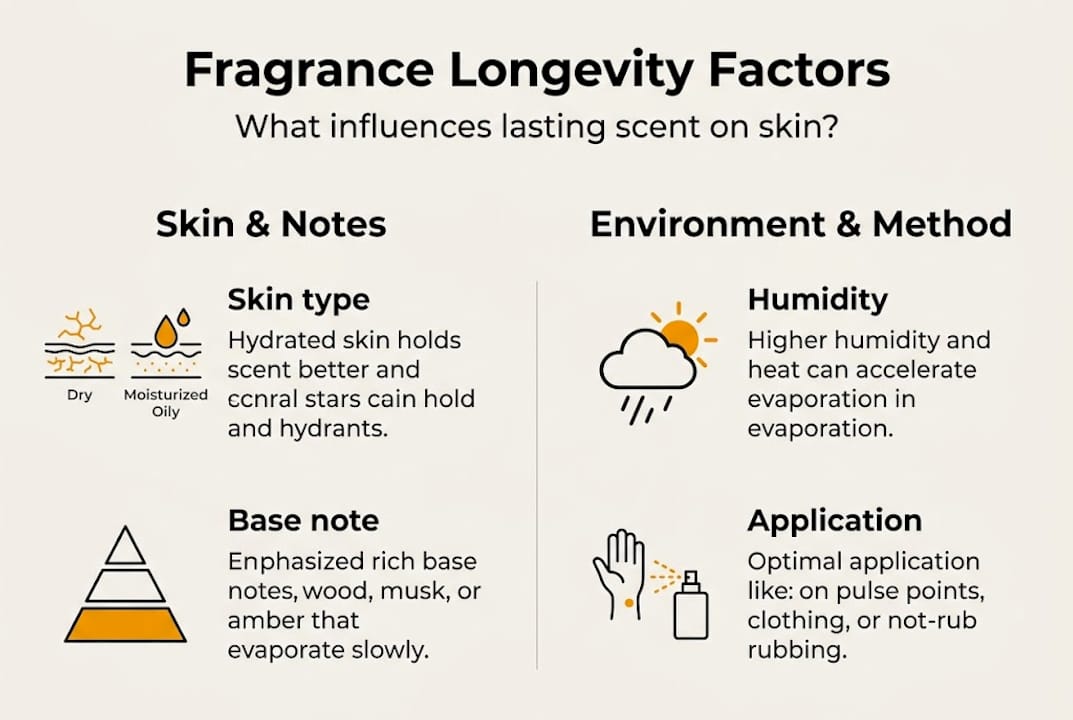
According to technical analysis of scent performance, key longevity factors include skin type, base note composition, environmental conditions, and application method. Oily skin holds fragrance longer because the natural oils act as a carrier, while dry skin allows molecules to evaporate faster. If you want to go deeper into choosing lasting scents, understanding concentration is the first practical step.
What determines how long a scent lasts?
Now that we’ve defined longevity, let’s dig into the science and daily factors that actually determine how long your favorite fragrance will stick around.
Skin type is one of the biggest variables. Oily skin provides a natural anchor for fragrance molecules, helping them cling and release slowly over time. Dry skin, on the other hand, can cause a scent to fade significantly faster—sometimes by as much as 50% compared to oily skin.
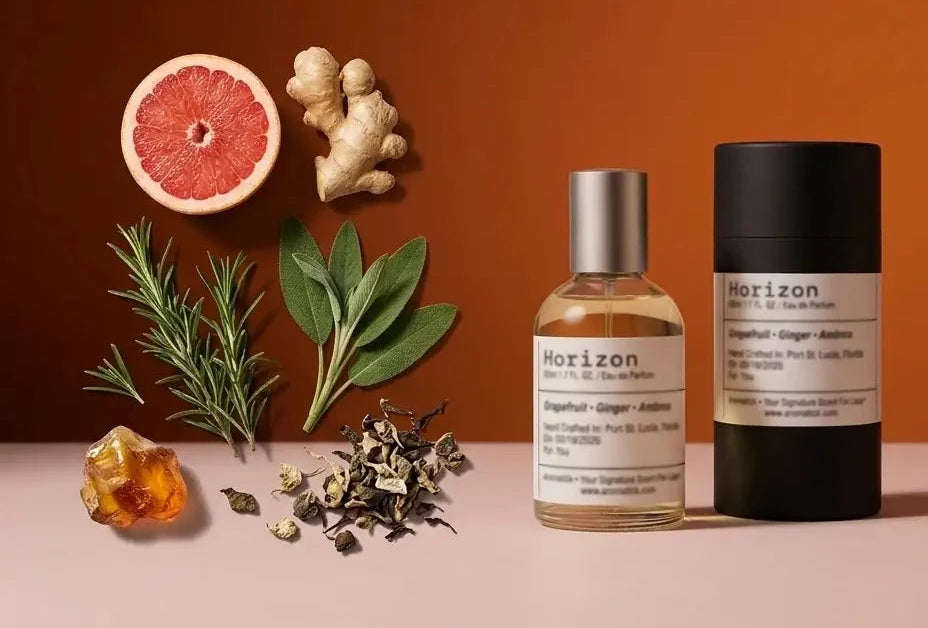
Fragrance notes are equally important. Perfumes are built in layers. Top notes are light and volatile—they’re what you smell immediately but they fade within 30 minutes. Heart notes emerge next and last a few hours. Base notes like musk and woods evaporate slowly, which is exactly why they anchor the scent and drive longevity. Fragrances rich in amber, sandalwood, patchouli, and musks tend to last the longest. Lighter, citrus-forward or aquatic scents typically fade faster.
Here’s a quick comparison of how concentration affects longevity in practice:
| Type | Best for | Longevity trade-off |
|---|---|---|
| EDT | Casual, daytime use | Lighter, may need reapplication |
| EDP | Everyday to evening | Better staying power, richer scent |
| Parfum | Special occasions | Maximum longevity, use sparingly |
Environment matters more than most people realize. Heat and humidity actually amplify a scent’s projection initially, but they can also accelerate evaporation. Wind disperses fragrance quickly. Wearing a scent in a warm, humid climate may feel stronger at first but shorter overall. Cold, dry air tends to suppress projection but can preserve longevity close to the skin.
Application technique is something you can control immediately. Applying to pulse points—wrists, neck, behind the ears, inner elbows—takes advantage of body heat, which gently diffuses the scent throughout the day. Moisturized skin holds fragrance far better than dry skin. For more on base notes in perfume and how they interact with skin chemistry, the composition of a formula tells you a lot before you even spray.
Pro Tip: Apply an unscented lotion or body oil to your skin before spraying your fragrance. The moisturizer gives the aromatic molecules something to grip, which can noticeably extend how long the scent stays detectable.
Why does the same perfume last differently for everyone?
Understanding the factors is crucial, but even with the same product, longevity greatly varies—here’s why.
Your body chemistry is unique. Diet plays a real role: foods high in sulfur (like garlic or onions) can alter how a fragrance smells and how long it lasts. Spicy foods can increase skin temperature, which accelerates evaporation. Medications, hormone levels, and even hydration all influence your skin’s pH and oil production, which in turn affects how fragrance molecules behave on your skin.
Climate and daily routine add another layer. If you exercise heavily or take frequent hot showers, you’re essentially resetting your scent. Hot water strips fragrance from the skin, and sweating can dilute or distort it. Clothing choices also matter—natural fabrics like cotton and wool hold scent longer than synthetic materials.
Here are some surprising habits that can quietly shorten your fragrance’s lifespan:
- Taking a hot shower right after applying
- Rubbing your wrists together after spraying (this breaks fragrance molecules)
- Applying to dry, unmoisturized skin
- Wearing synthetic fabrics that don’t hold scent well
- Storing your perfume in a warm or bright location, which degrades the formula over time
Then there’s olfactory fatigue. This is the phenomenon where your nose simply stops registering a scent it’s been exposed to continuously. You may think your perfume has faded completely, but others around you can still smell it clearly. Olfactory fatigue masks ongoing scent, which is why your own perception isn’t always the most reliable measure of longevity.
Your nose adapts to familiar scents quickly. If you think your fragrance has disappeared, check your clothing or ask someone nearby—you may be surprised.
Pro Tip: Sniff your shirt collar or inner sleeve a few hours after applying. Fabric holds scent longer than skin and gives you a more accurate read of how your fragrance is actually performing. For more practical advice on making cologne last, small habit changes can make a measurable difference.
How to choose and wear long-lasting fragrances
With science and personal chemistry understood, it’s time to put the knowledge into practice and make sure you get the most out of every spray.
When shopping, look for fragrances with base-heavy compositions. Scents built around woods, resins, musks, amber, and vanilla tend to perform better in terms of longevity. Read the concentration label carefully—an EDP will almost always outlast an EDT from the same line. If possible, test on your own skin rather than a paper strip, because your skin chemistry will change how the formula develops and how long it lasts.
Here’s a step-by-step approach to maximizing longevity every time you apply:
- Moisturize first. Apply an unscented lotion or body oil to clean, dry skin. Let it absorb for a minute before spraying.
- Target pulse points. Wrists, neck, inner elbows, and behind the knees are all warm areas that help diffuse scent gradually.
- Don’t rub. Let the fragrance settle naturally. Rubbing breaks down the molecular structure and shortens the scent’s life.
- Layer strategically. Use a matching scented body wash or lotion when available. Layering the same fragrance family builds a longer-lasting base.
- Apply to clothing. Fabric holds scent longer than skin. A light spray on your collar or scarf can extend your fragrance’s presence significantly.
Application on moisturized skin and pulse points can meaningfully increase how long a scent remains detectable, which is one of the simplest and most effective adjustments you can make.
For budget-conscious shoppers, longevity is a genuine value metric. A longer-lasting fragrance means fewer sprays per day, which stretches a bottle further. Sampling before committing to a full bottle is a smart move—it lets you test real-world performance on your skin before investing. Decants are another practical option for exploring niche fragrances without paying full price upfront.
Pro Tip: Layering two complementary scents—one lighter and one base-heavy—can create a longer-lasting, more complex result than either alone. For more strategies, explore wear long-lasting perfumes and perfume longevity secrets for deeper guidance.
Why longevity isn’t everything: The case for enjoying scent moments
Here’s a perspective worth sitting with: the fragrance community sometimes treats longevity as the ultimate measure of quality. Hours on skin become a badge of honor. But this framing can actually work against you as a fragrance lover.
Some of the most beautiful, emotionally resonant scents are deliberately light. Colognes built around citrus, green tea, or fresh aquatics are designed to be fleeting—a burst of clarity that refreshes rather than lingers. Wearing one of these for a morning meeting or a quick errand isn’t a compromise. It’s the right tool for the moment.
There’s also a strong case for rotating scents throughout the day or week. A short-lived fragrance worn in the morning can be layered with something warmer in the evening. This approach rewards exploration and keeps your nose engaged rather than fatigued. The goal isn’t always maximum duration—it’s the right scent for the right moment.
At Aromatick, we believe informed choice matters more than chasing hours. Explore lasting luxury scents when that’s what you need, but don’t dismiss a beautiful, subtle fragrance just because it doesn’t last until midnight.
Discover scents that last—at prices you’ll love
Knowing what makes a fragrance last is only half the equation. The other half is finding the right bottle at a price that makes sense. At Aromatick, we’ve built our entire catalog around that balance.
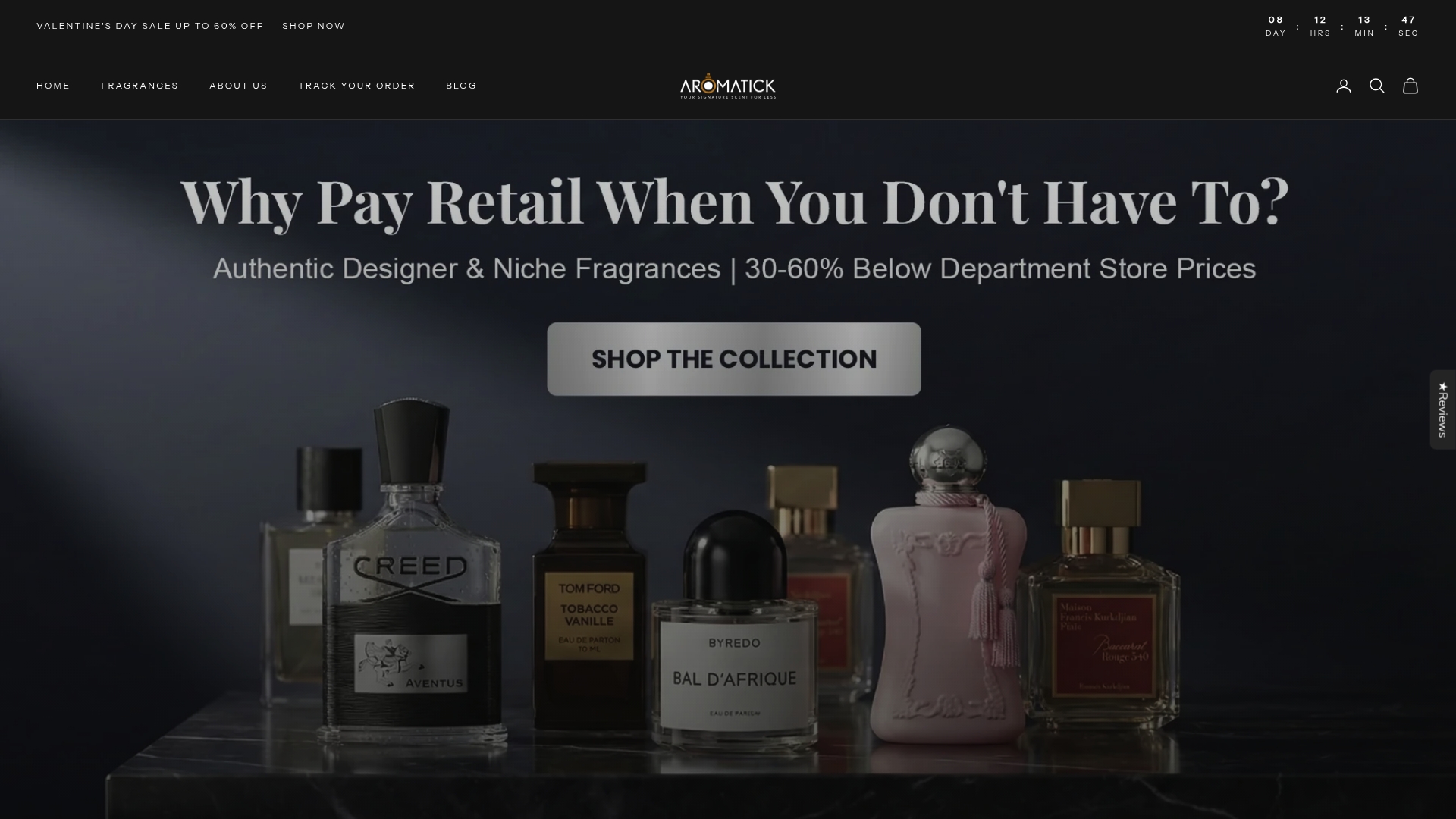
Browse our designer fragrance collection for long-lasting classics from the world’s most recognized houses, or explore our niche fragrance collection for base-heavy, complex blends built to perform. Every product comes with our authenticity guarantee, so you know exactly what you’re getting. With discounts of up to 60% off retail prices, you can invest in quality without overpaying. Free shipping and secure checkout make it easy to start exploring today.
Frequently asked questions
What are the main factors that affect fragrance longevity?
Skin type, fragrance notes, concentration, environment, and application method all play a role in how long a scent lasts on your skin.
Does more expensive perfume always last longer?
Not at all. Longevity depends on composition and concentration rather than price or brand name, so an affordable EDP can easily outlast a costly EDT.
Can I make my perfume last longer on my skin?
Yes. Applying on moisturized skin and targeting pulse points are the two most effective steps, and using an unscented lotion beforehand helps even more if you have dry skin.
Why can’t I smell my perfume after a few hours but others can?
This is olfactory fatigue at work—your nose adapts to a continuous scent and stops registering it, even though the fragrance is still detectable to everyone else around you.

Leave a comment
This site is protected by hCaptcha and the hCaptcha Privacy Policy and Terms of Service apply.