
Genuine vs counterfeit perfumes: Guide to authentic scents
TL;DR:
- The counterfeit perfume industry is valued at approximately 467 billion dollars, with perfumes being the most targeted.
- Authentic perfumes ensure safety, quality, and lasting scent, unlike dangerous fake products.
- To avoid fakes, buy from authorized sellers, check batch codes, inspect packaging, and trust your senses.
The global counterfeit goods trade is valued at ~$467 billion, and perfumes sit at the top of the most targeted product categories. What makes this especially troubling is that many fakes are now so convincingly produced that even experienced fragrance shoppers get fooled. The packaging looks right, the bottle feels familiar, and the price seems like a lucky deal. But beneath that polished exterior, counterfeit perfumes can carry real risks. This guide walks you through how to confidently tell genuine from counterfeit perfumes, using clear, practical steps backed by evidence.
Table of Contents
- Why does perfume authenticity matter?
- Key differences: Genuine vs counterfeit perfumes
- How counterfeit perfumes enter the market
- A buyer’s checklist: Steps to avoid counterfeit perfume
- Our take: The murky waters of alternatives and counterfeits
- Shop confidently: Choose authentic designer perfumes
- Frequently asked questions
Key Takeaways
| Point | Details |
|---|---|
| Packaging tells all | Authentic perfumes have high-quality packaging and matching batch codes; counterfeits often have errors or mismatches. |
| Health comes first | Buying fakes risks exposure to unknown, potentially harmful chemicals that may not meet safety standards. |
| Buy smart | Get your fragrances only from trusted retailers and always check for signs of authenticity. |
| Know the gray areas | ‘Alternatives’ imitate scents but aren’t illegal unless they misuse trademarks, while counterfeits pose greater risks. |
Why does perfume authenticity matter?
When you invest in a luxury fragrance, you expect a specific experience: a carefully crafted scent, safe ingredients, and lasting performance. Counterfeit perfumes deliver none of that. And the consequences go well beyond disappointment.
Health risks are the most immediate concern. Fake perfumes are produced without regulatory oversight. They may contain industrial solvents, urine, bacteria, or untested synthetic chemicals. The CBP warns consumers that counterfeit beauty products frequently contain harmful substances that can cause skin reactions, respiratory issues, or worse. Authentic fragrances go through rigorous safety testing before they reach shelves. Fakes skip all of that.
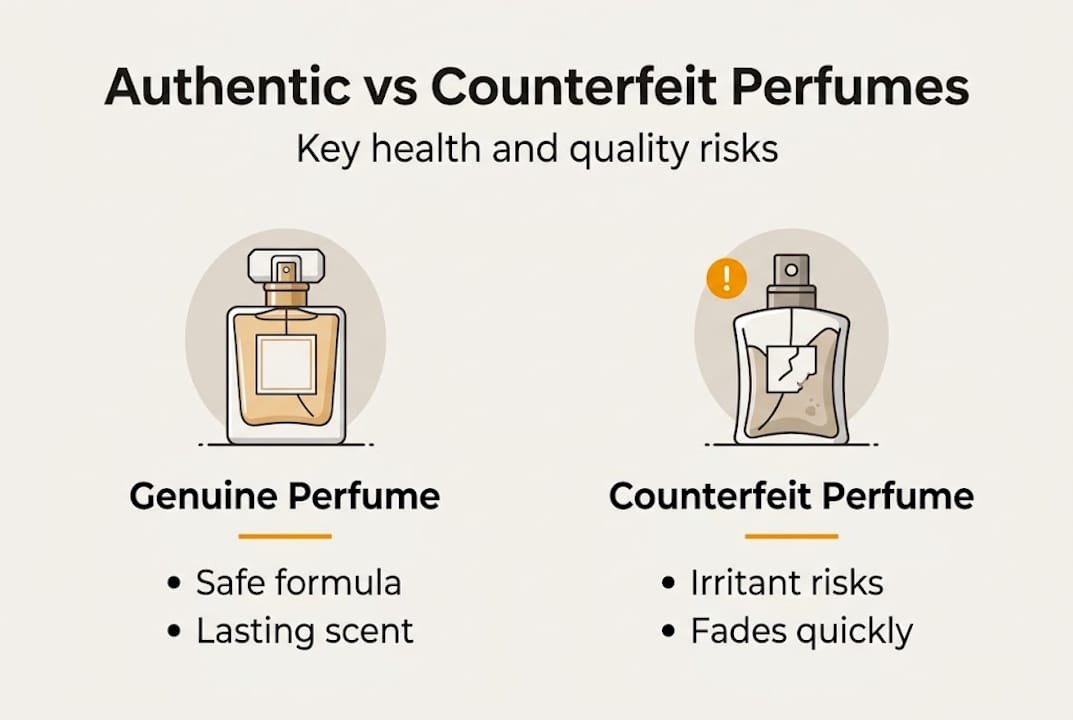
Beyond health, there is the plain financial reality. Spending $80 on what you believe is a genuine designer fragrance, only to receive a watered-down imitation that fades within an hour, is money wasted. You lose the value, the experience, and the confidence that comes with a trusted product.
There are also broader consequences worth understanding:
- Legal exposure: Knowingly importing counterfeit goods can result in seizures and fines at customs.
- Supporting illegal markets: Every purchase of a fake product funds criminal networks that operate outside the law.
- Industry harm: Counterfeiting costs legitimate brands billions annually, reducing investment in new formulas, fair wages, and creative innovation.
“Counterfeit products don’t just hurt brands. They hurt consumers who deserve to know exactly what they’re putting on their skin.”
Understanding why authentic perfumes matter is the foundation for making smarter buying decisions. Authenticity is not just about prestige. It is about safety, trust, and getting real value for your money.
Key differences: Genuine vs counterfeit perfumes
Understanding the risks, the next step is knowing the tell-tale signs that separate genuine perfumes from counterfeits. Fortunately, once you know what to look for, the differences become much easier to spot.
Packaging is your first clue. Authentic perfumes feature crisp printing and precise logos, sturdy boxes, and tight-fitting components. Counterfeits often show blurry text, flimsy cardboard, misspellings, or slightly off-color branding. Hold the box under good lighting and examine every detail carefully.
Here is a side-by-side comparison of what to expect:
| Feature | Genuine perfume | Counterfeit perfume |
|---|---|---|
| Packaging quality | Sturdy, crisp, precise | Flimsy, blurry, inconsistent |
| Batch codes | Match on box and bottle | Missing, smudged, or mismatched |
| Bottle weight | Solid, even weight | Light, uneven, or cheap feel |
| Scent longevity | Hours of lasting performance | Fades within 30 to 60 minutes |
| Price | Consistent with retail | Suspiciously low |
| Logo and fonts | Sharp, consistent | Slightly off or misspelled |
Batch codes are one of the most reliable checks. Every authentic fragrance has a batch code stamped or laser-etched on both the box and the bottle itself. These codes should match exactly. You can verify them using tools like checkfresh.com or parfumo.com. If the codes differ, or if there is no code at all, treat that as a serious red flag.
Scent and performance tell their own story. Genuine fragrances are built on quality raw materials and tested formulas. They project well, evolve through top, heart, and base notes over time, and last for several hours on skin. Counterfeits often smell sharp or chemical on first spray, then vanish quickly because they lack the depth and fixatives that real perfumers use.
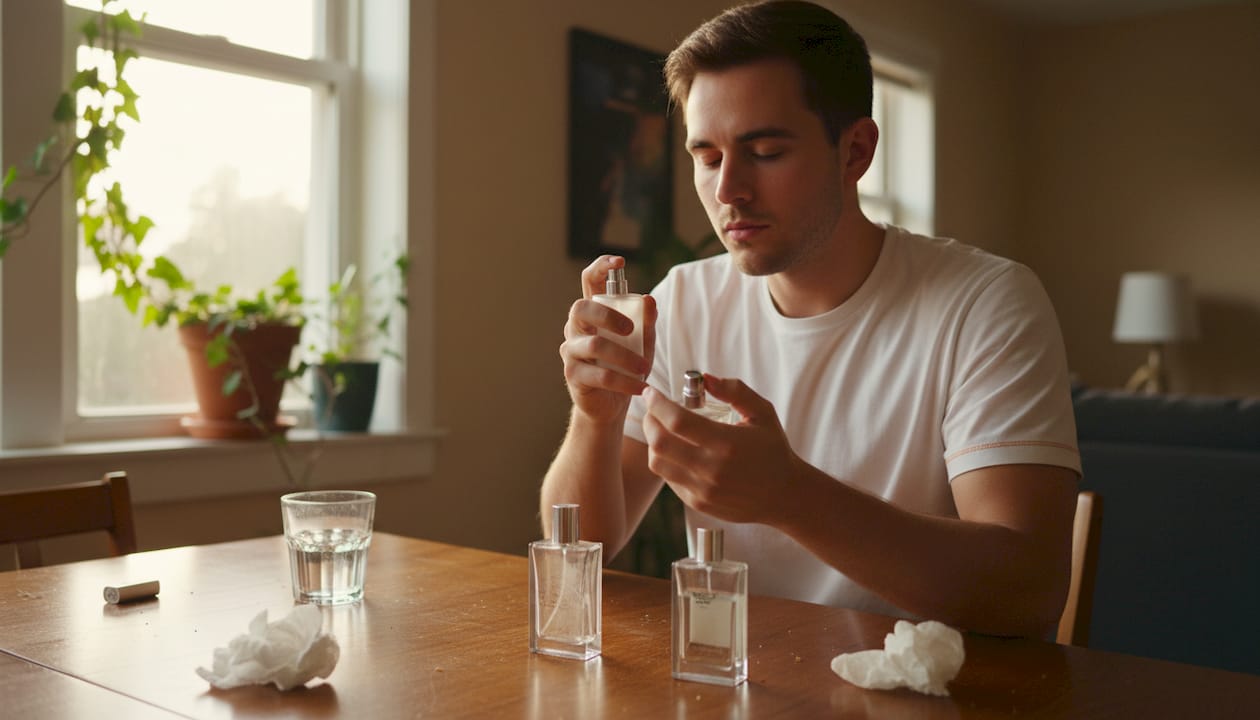
Pro Tip: Before buying in person, spray the fragrance on your wrist and wait 15 minutes. If the scent disappears or smells harsh rather than developing, it is likely not the real thing.
For a deeper look at how to spot authentic scents in everyday shopping situations, or to review a full perfume authenticity guide, these resources break down the process in even more detail.
How counterfeit perfumes enter the market
Now that you know what differences to look for, it is important to understand how counterfeit products actually reach consumers like you. The supply chain for fake fragrances is more organized than most people realize.
Counterfeit perfumes typically originate in illegal manufacturing facilities, often located in regions with weak intellectual property enforcement. From there, they move through a network of smugglers, middlemen, and resellers before landing in the hands of unsuspecting buyers. The operation can span multiple countries and involve sophisticated packaging that mirrors the real product almost perfectly.
Where do fakes show up most often?
- Unverified online marketplaces and third-party sellers
- Street vendors and informal market stalls
- Discount stores with no clear brand authorization
- Social media shops with no verifiable business address
- Auction-style platforms where prices seem too good to be true
The scale of the problem is significant. CBP seized 79 million counterfeit items in FY2025 alone, with a combined manufacturer’s suggested retail value of $7.3 billion. Perfumery and cosmetics consistently rank among the top seized categories.
| Channel | Risk level | Notes |
|---|---|---|
| Authorized brand websites | Low | Direct source, verified stock |
| Major authorized retailers | Low | Accountable, regulated |
| Third-party marketplace sellers | High | No quality guarantee |
| Street vendors | Very high | No traceability |
| Unverified social media shops | Very high | No returns, no accountability |
Understanding why perfume resellers matter in the supply chain helps you evaluate where your purchase is actually coming from. Not all resellers are bad, but knowing how to identify authorized ones is essential.
A buyer’s checklist: Steps to avoid counterfeit perfume
To help you apply all this information on your next shopping trip, here is an actionable checklist you can follow every time you buy a fragrance.
- Buy from authorized retailers only. Stick to brand websites, department stores, or verified fragrance retailers like Sephora, Ulta, or trusted online specialists. Authorization means accountability.
- Check batch codes on both the box and bottle. They must match exactly. Use a batch code checker online if you are unsure. This single step catches a large percentage of fakes.
- Be cautious with extreme discounts. A 20 to 30% discount on a genuine fragrance is reasonable. A 70 to 80% markdown from an unknown seller is almost always a warning sign.
- Read seller reviews carefully. Look for patterns in negative reviews mentioning scent differences, poor packaging, or fast fading. One or two complaints may be noise, but a pattern is a signal.
- Check return and refund policies. Legitimate sellers stand behind their products. If there is no clear return policy, that is a red flag.
- Examine packaging before opening. Look for crisp text, secure cellophane wrapping, and matching fonts. Open the box carefully and inspect the bottle for weight and finish quality.
- Trust your senses. If the scent smells flat, chemical, or fades within minutes, something is wrong.
Pro Tip: If a deal feels too good to be true, it almost certainly is. Authentic luxury fragrances have production costs that set a floor on how low prices can realistically go. Use the authentic perfume buying guide and fragrances verification guide to sharpen your judgment before you shop.
Our take: The murky waters of alternatives and counterfeits
There is a conversation happening in the fragrance community that deserves honest attention: the difference between “alternatives” and outright counterfeits. These are not the same thing, and conflating them leads to poor decisions.
A alternative, or smell-alike, is a fragrance inspired by a luxury scent but sold under its own brand name without claiming to be the original. It does not use the original’s trademark or packaging. As lawyers note in ongoing legal debates, brands struggle to take legal action against alternatives because scent itself is not protected by copyright in most jurisdictions. This makes alternatives a legal gray area, not a crime.
Counterfeits, by contrast, actively deceive. They copy logos, packaging, and branding to impersonate the real product. That is fraud, plain and simple.
We believe consumers deserve to make informed choices. If you knowingly choose a alternative because it fits your budget, that is a personal decision. But buying something falsely presented as what makes scent authentic is a different matter entirely. It harms you, the brand, and the broader market. Know what you are buying, and buy it with intention.
Shop confidently: Choose authentic designer perfumes
You have learned how to spot, avoid, and understand fakes. Now it is time to put that knowledge to work with a source you can trust.
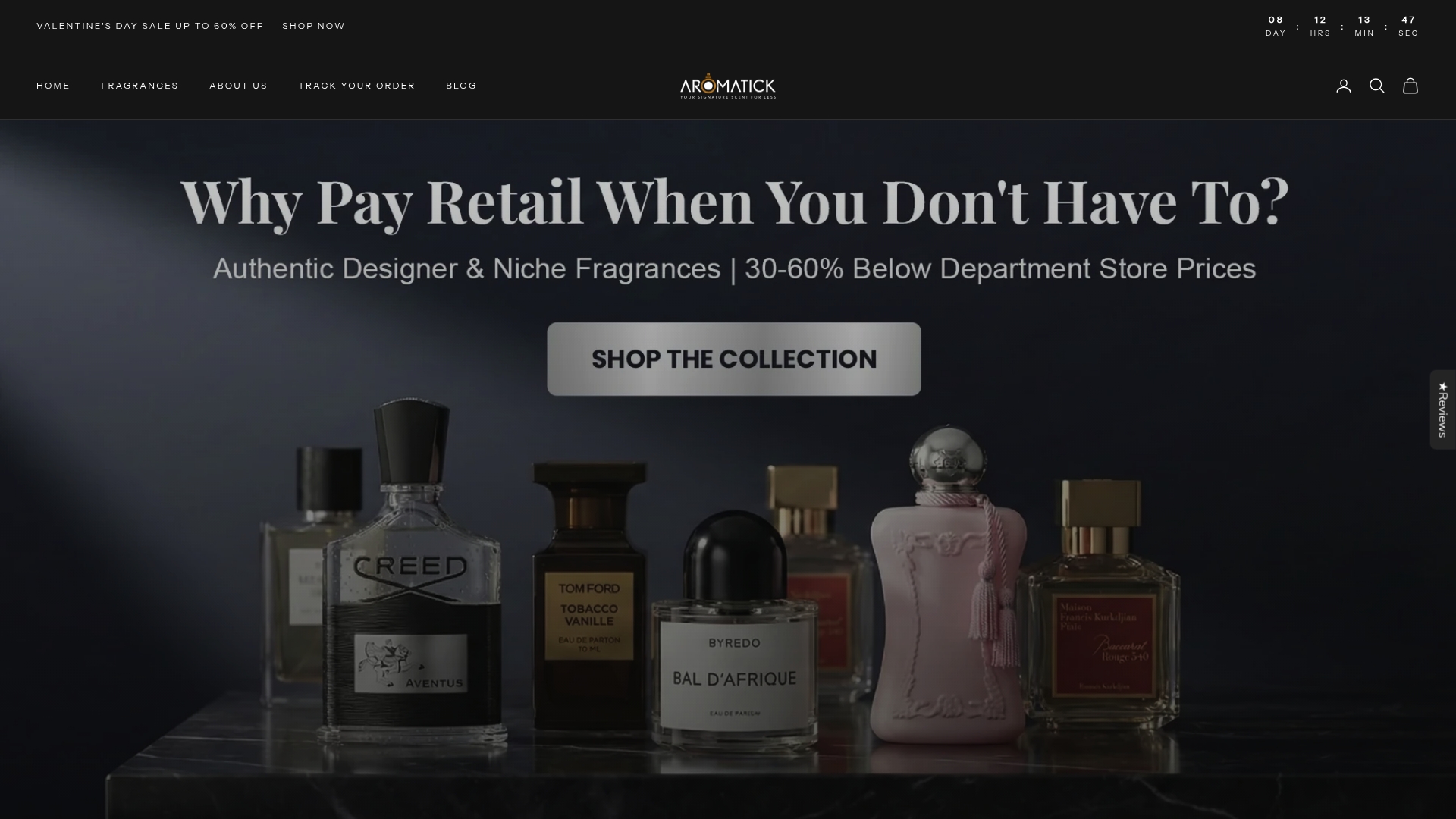
At Aromatick, every fragrance in our catalog is verified authentic. We source directly and cut out the retail overhead so you get genuine luxury scents at up to 60% off regular prices. No guessing, no risk. Browse our designer fragrance collection for iconic brands, or explore our niche fragrance collection for rare and artisan finds. Every purchase comes with free shipping, secure payment, and a satisfaction guarantee. Shop with confidence, knowing exactly what you are getting.
Frequently asked questions
How do I quickly spot a fake perfume?
Check that batch codes match on both the box and bottle, and inspect the packaging for blurry printing, misspellings, or flimsy materials. Authentic perfumes have laser-etched or precisely stamped codes that are consistent across all components.
Are ‘alternatives’ the same as counterfeit perfumes?
No. Alternatives are smell-alikes sold under their own brand name without using the original’s trademarks, while counterfeits fraudulently copy branding and packaging to impersonate the real product.
Is buying counterfeit perfume dangerous?
Yes. Counterfeit beauty products can contain harmful or untested chemicals that cause skin irritation or other health issues, since they are produced without the safety testing required of authentic brands.
Where are counterfeit perfumes most often sold?
They are most commonly found on unverified online sellers, street vendors, and third-party marketplace listings where there is no brand authorization or accountability.

Leave a comment
This site is protected by hCaptcha and the hCaptcha Privacy Policy and Terms of Service apply.