
The Complete Guide to Perfume Gifting for Any Occasion
TL;DR:
- Perfume gifting involves selecting a scent that aligns with someone’s personality and style. Understanding fragrance families and concentrations helps you make thoughtful choices that suit the recipient and occasion. Personal touches, like notes connecting the scent to shared memories, elevate a simple gift into a meaningful gesture.
Perfume gifting is the art of selecting a fragrance that speaks to someone’s personality, lifestyle, and emotional world. A thoughtful fragrance gift guide helps you navigate scent families, concentration levels, and presentation choices so the result feels personal rather than generic. Whether you are shopping for a birthday, anniversary, or holiday, understanding standards like Eau de Toilette (EdT), Eau de Parfum (EdP), and Extrait de Parfum gives you a real advantage. This guide to perfume gifting covers everything from reading scent profiles to wrapping the final bottle with intention.
How to read fragrance families and scent profiles for gifting
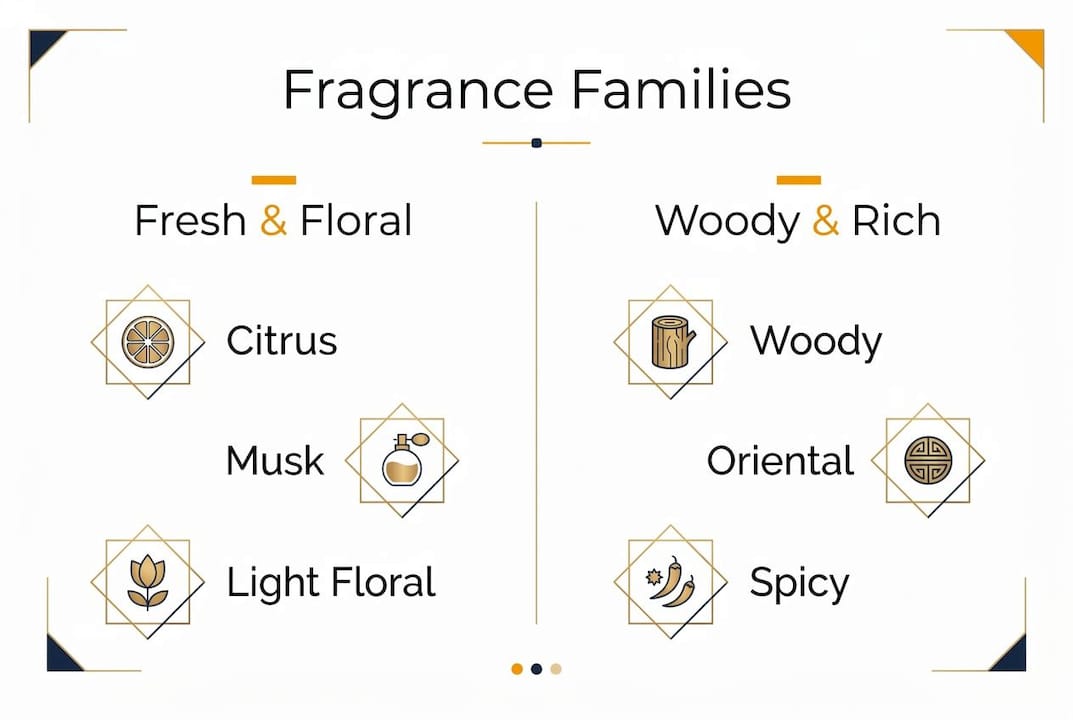
The fragrance family is the single most useful tool you have when choosing a perfume gift. Perfumers organize scents into broad categories, and knowing which family a recipient gravitates toward narrows your search from thousands of bottles to a manageable shortlist.
The five major families you will encounter most often are:
- Citrus and fresh: Bright, clean, and energizing. Think lemon, bergamot, and green tea. These scents suit active, outdoorsy personalities and work well in warm climates.
- Floral: The most universally worn category, covering everything from soft rose to bold jasmine. Light florals are among the safest choices for women who do not share their fragrance preferences openly.
- Woody and earthy: Warm, grounding notes like sandalwood, cedar, and vetiver. These read as sophisticated and tend to appeal to people with classic, understated wardrobes.
- Gourmand: Sweet, food-inspired notes such as vanilla, caramel, and tonka bean. These are crowd-pleasers in cooler months and suit people who wear cozy, expressive styles.
- Oriental and musky: Rich, sensual, and long-lasting. These are statement scents best reserved for recipients you know well.
Crowd-pleasing fragrances typically feature fresh top notes, floral or woody hearts, and smooth dry-downs. That structure makes them wearable across settings and reduces the risk of a miss.
When you lack specific taste information, fresh citrus, clean musk, or light florals are the safest bets. These scent types are less polarizing and easier to wear daily, which means the bottle actually gets used.
Pro Tip: Look at the recipient’s home decor and candle choices. Someone who burns warm vanilla candles will likely enjoy gourmand or oriental fragrances. Someone with a minimalist, clean-lined home often prefers fresh or aquatic scents.
Understanding fragrance families for gifting also helps you avoid the most common mistake: projecting your own taste onto someone else. The goal is to match their world, not yours.
What fragrance concentration should you choose as a gift?
Fragrance concentration defines how strong a scent is, how long it lasts, and how appropriate it is for different settings. Getting this right is just as important as choosing the right scent family.
| Concentration | Oil Percentage | Best For |
|---|---|---|
| Eau de Toilette (EdT) | 5–15% | Everyday wear, office, warm climates |
| Eau de Parfum (EdP) | 10–20% | Evening wear, cooler seasons, longer days |
| Extrait de Parfum | 15–40% | Special occasions, intimate settings |
EdT suits lighter, everyday or office wear, while EdP delivers richer, longer-lasting wear. Extrait is reserved for evenings and special occasions. That distinction matters when you are gifting someone who works in a shared office or spends long hours outdoors.
For recipients with unknown sensitivities, EdT is the safer choice. Fragrance allergy affects 0.7% to 2.6% of the population, which is a small but real risk. Choosing a lighter concentration or a discovery set reduces that risk without sacrificing the gesture.
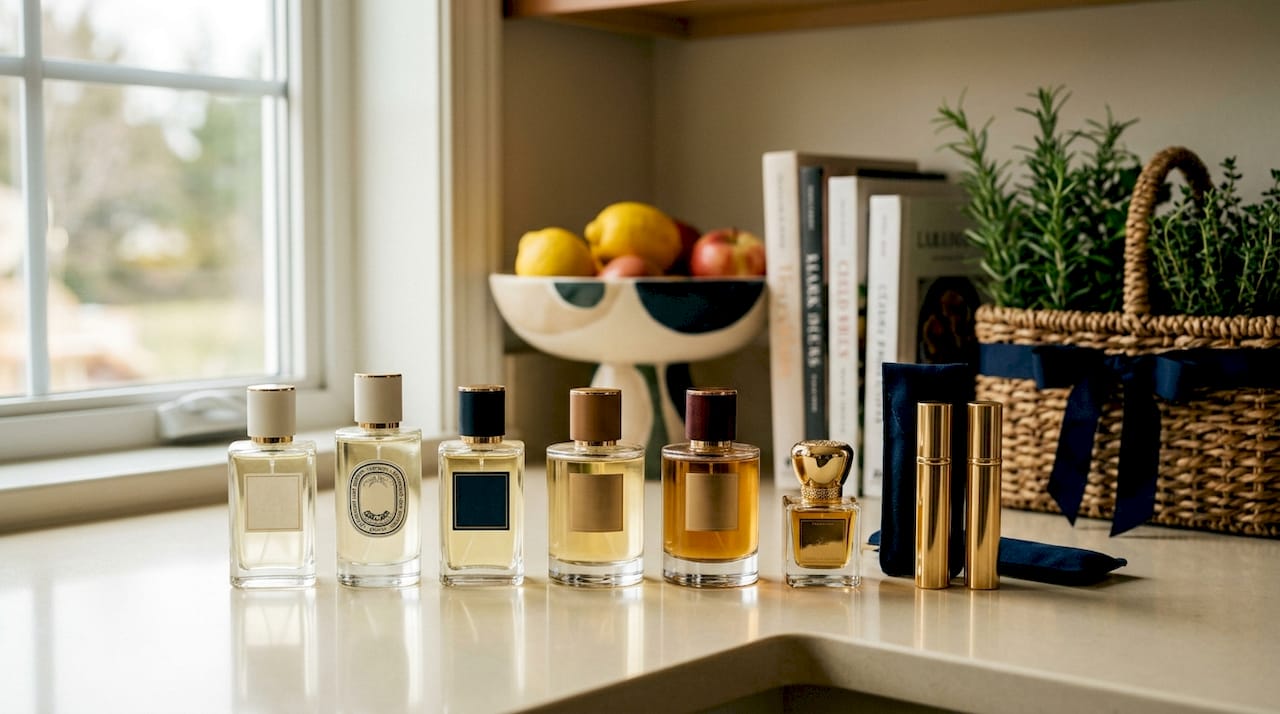
Discovery sets and travel sprays provide flexibility and reduce risk when gifting to uncertain recipients. They let the person sample multiple scents before committing to a full bottle, which turns the gift into an experience rather than a gamble.
For a deeper look at how these formats compare, Aromatick’s guide on parfum vs Eau de Toilette breaks down the differences clearly.
Pro Tip: If you are confident about the scent but unsure about the concentration, choose EdP. It works across more occasions than EdT and feels more luxurious as a gift.
How to make a perfume gift feel personal
Personalization is what separates a memorable fragrance gift from a forgettable one. The best fragrance gift formula balances personal insight, emotional impact, effort transparency, and surprise. Price matters far less than the story behind the choice.
The most effective way to learn someone’s scent preferences without asking directly is through casual observation. Indirect questions about favorite seasons, drinks, wardrobe style, music, and travel all correlate with fragrance families. Someone who loves autumn, drinks dark roast coffee, and wears earth tones is almost certainly a woody or oriental fragrance person.
Here are practical ways to personalize the gift:
- Check their current scent. Look at what they already own or wear. If they reach for the same bottle every day, note the brand and scent family, then find something in the same family with a fresh twist.
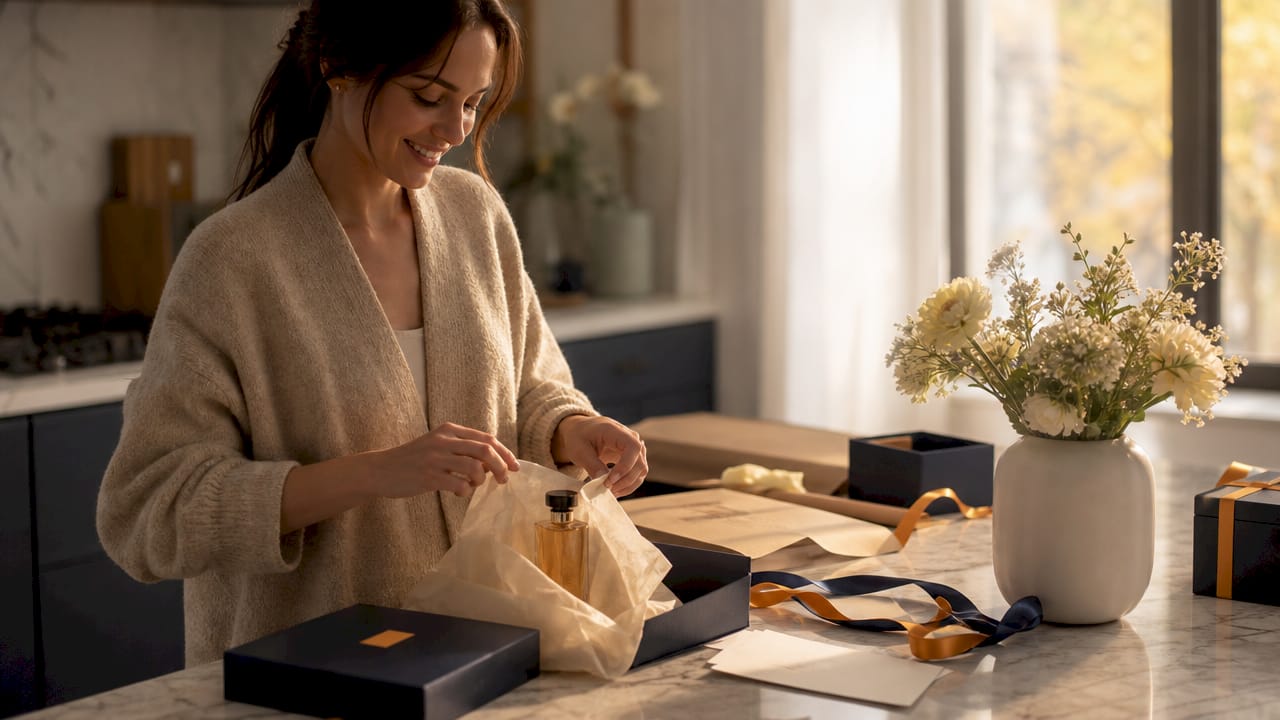
- Add a handwritten note. A note explaining why the scent was chosen creates emotional impact and makes the gift memorable. Write one or two sentences connecting the fragrance to a shared memory or a personality trait you admire.
- Include complementary items. An unscented body lotion, a small candle in a related scent family, or a silk pouch elevates the presentation without competing with the fragrance itself.
- Offer a flexible exchange. Including a gift receipt or opting for a discovery set removes pressure. It signals confidence in your choice while respecting that scent is deeply personal.
What makes a fragrance gift memorable is rarely the bottle or the price tag. It is the sense that the giver paid attention.
Pro Tip: Tie the scent to a specific memory in your note. “This reminds me of the weekend we spent in the mountains” lands far more powerfully than “I thought you’d like this.”
Perfume gift ideas for men and women across occasions
Occasion shapes the right fragrance choice as much as personality does. A birthday gift for a close friend calls for something more personal and expressive. A holiday gift for a colleague demands something universally wearable and inoffensive.
Here is a practical framework organized by occasion:
-
Birthday gifts. Birthdays allow for more personality. For women, a rich floral EdP or a warm gourmand scent signals that you know them well. For men, a woody aromatic or a spiced oriental EdP reads as thoughtful and distinctive. This is the occasion to take a small risk on something more unique.
-
Holiday and seasonal gifts. The holiday season favors warm, cozy scents. Vanilla, amber, and sandalwood notes feel appropriate and festive. Fresh or citrus scents can feel out of place in december and january. Stick to the warmer end of the fragrance spectrum for winter gifting.
-
Anniversaries. Anniversaries call for something intimate and long-lasting. An EdP or Extrait in a sensual floral, woody, or oriental family works well. For couples, a matching set or complementary his-and-hers fragrances from the same house adds a layer of meaning.
-
Professional occasions (work colleagues, mentors). Play it safe. A clean, fresh EdT or a light floral is appropriate for workplace gifting. Avoid heavy musks, gourmands, or anything with strong projection. The goal is appreciation, not a statement.
-
Classic vs. modern tastes. Classic tastes lean toward powdery florals, traditional chypres, and clean fougères. Modern tastes favor transparent musks, aquatics, and minimalist woody scents. If you are unsure, a fragrance gift for any occasion from a well-known designer house is a reliable middle ground.
For men specifically, fresh aquatics and aromatic fougères are consistently well-received across age groups. For women, light florals and clean musks remain the most universally appreciated choices. When you want to move beyond safe bets, choosing a perfume gift that connects to personality rather than gender stereotypes always lands better.
Key Takeaways
Successful perfume gifting requires matching scent family to personality, choosing the right concentration for the recipient’s lifestyle, and adding personal presentation that explains the emotional reasoning behind the choice.
| Point | Details |
|---|---|
| Match scent family first | Identify whether the recipient prefers fresh, floral, woody, gourmand, or oriental scents before choosing a bottle. |
| Choose concentration by lifestyle | Use EdT for everyday and office wear, EdP for evenings and cooler seasons, and Extrait for special occasions. |
| Personalize the presentation | A handwritten note connecting the scent to a memory or personality trait adds more value than a higher price tag. |
| Use discovery sets for uncertainty | When unsure about preferences, discovery sets let the recipient sample multiple scents without the risk of a full-bottle miss. |
| Occasion shapes the choice | Warm, rich scents suit winter and anniversaries; clean, fresh scents work for professional and everyday gifting. |
Why the story behind the scent matters more than the price
I have given and received a lot of fragrance gifts over the years, and the ones that stuck with me had almost nothing to do with the bottle’s price. The ones I remember were the ones where someone clearly paid attention.
The most underrated move in perfume gifting is the explanation. Telling someone “I chose this because it reminded me of how you always smell like cedar and old books” does more work than any luxury packaging ever could. That kind of observation signals genuine care, and it transforms a nice object into something with meaning.
I also think the fragrance world has overcomplicated gifting for non-experts. You do not need to know the difference between a chypre and a fougère to give a great scent gift. You need to know the person. Observation, a few indirect questions, and a willingness to step outside your own preferences are the only real skills required.
One thing I have learned the hard way: never gift a scent you personally love without evidence the recipient shares your taste. Scent is one of the most subjective senses we have. What smells like confidence and sophistication to you might smell like a headache to someone else. Put their preferences first, every single time.
The perfume gifting tips that actually work are the ones rooted in observation and connection, not trend reports or bestseller lists. Trust what you know about the person, not what the market says is popular.
— Rodney
Aromatick’s fragrance collections for every gift occasion
Finding the right bottle is easier when you have access to a wide, authentic selection at prices that do not require a second thought.
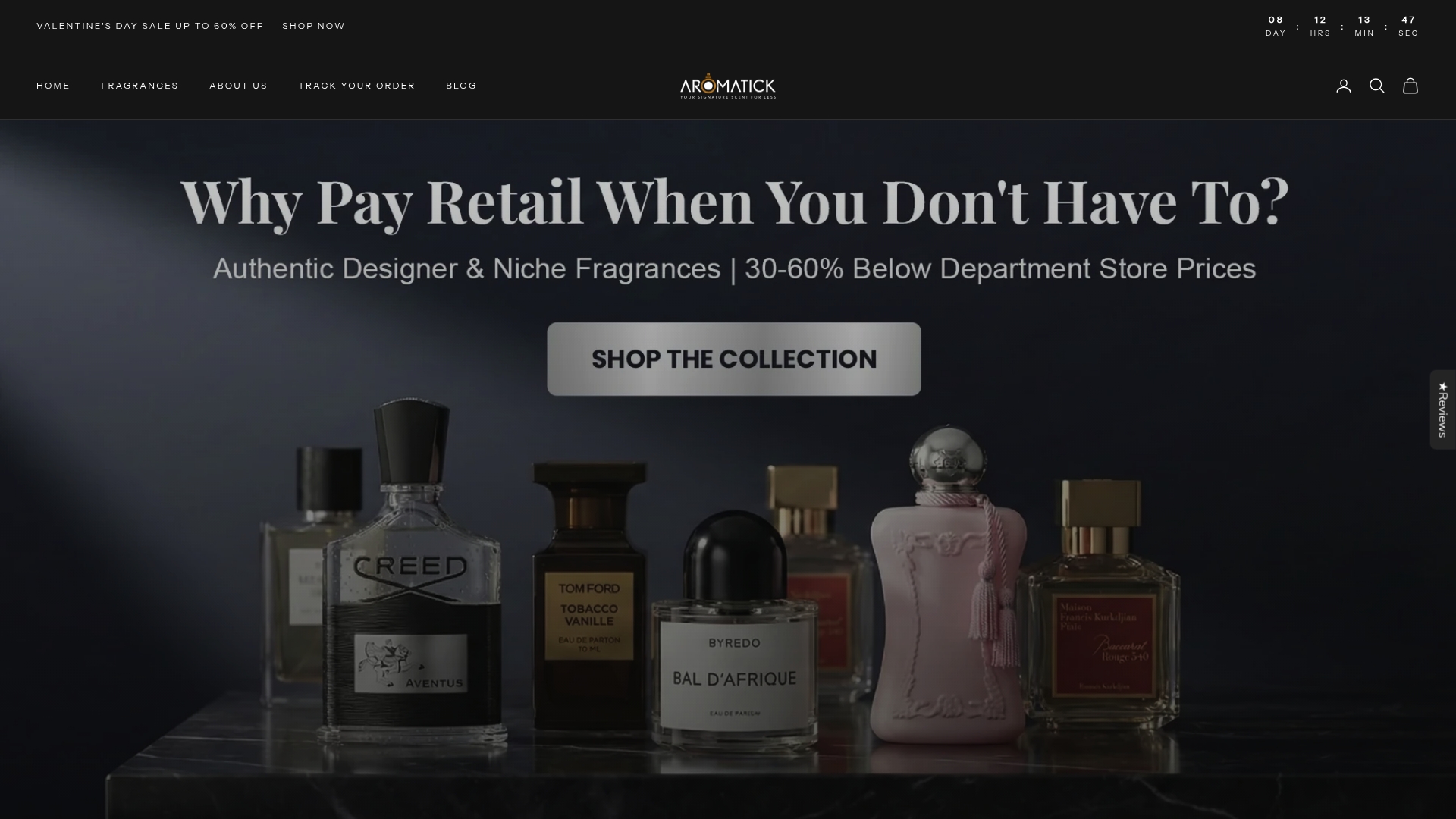
Aromatick carries an extensive designer fragrance collection for both men and women, with authentic products priced up to 60% below department store retail. Whether you are looking for a crowd-pleasing floral EdP, a bold woody EdT for him, or a niche scent for someone with refined taste, the niche fragrance collection covers the full spectrum. Every product is genuine, and Aromatick backs each purchase with free shipping and a satisfaction guarantee, so you can gift with confidence. Browse the current selection and find the right scent for the right person at a price that leaves room for beautiful presentation.
FAQ
What is the safest scent family for a perfume gift?
Fresh citrus, clean musk, and light florals are the safest choices for recipients whose preferences you do not know well. These scent families are less polarizing and suit a wide range of personalities and settings.
What is the difference between EdT and EdP for gifting?
Eau de Toilette contains 5–15% fragrance oil and suits everyday or office wear, while Eau de Parfum contains 10–20% oil and lasts longer for evening or all-day use. EdP generally feels more luxurious as a gift.
How do I find out someone’s scent preferences without asking directly?
Ask indirect questions about their favorite seasons, wardrobe style, or travel destinations, as these lifestyle choices correlate with fragrance families. Checking what they already wear is the most reliable shortcut.
Are discovery sets a good perfume gift idea?
Discovery sets are one of the best options when you are unsure about the recipient’s preferences. They let the person sample several scents and choose a favorite, which reduces risk and adds an interactive element to the gift.
Does a handwritten note really make a difference in perfume gifting?
A note explaining why the scent was chosen creates emotional impact that goes beyond the fragrance itself. Linking the choice to a shared memory or a personality trait makes the gift feel personal and considered rather than generic.

Leave a comment
This site is protected by hCaptcha and the hCaptcha Privacy Policy and Terms of Service apply.