
How to Choose a Perfume Gift That Truly Resonates
TL;DR:
- Choosing a perfume gift depends on matching the scent to the recipient’s preferences and the occasion.
- Using the fragrance wheel helps identify suitable families like floral, fresh, woody, or oriental scents.
Choosing a perfume gift is defined by one core decision: matching the right scent to the right person for the right moment. Get that alignment wrong, and a $150 bottle sits unused on a shelf. Get it right, and you give something the recipient reaches for every day. This guide covers fragrance families, concentration strengths, occasion matching, and risk reduction strategies so you can make a confident, personalized fragrance selection without needing a background in perfumery. Whether you’re shopping for a birthday, anniversary, or holiday, the principles here apply every time.
How to choose a perfume gift: start with fragrance families
The fragrance wheel is the most practical tool for understanding scent categories. Developed by fragrance consultant Michael Edwards, it organizes perfumes into four primary families: floral, fresh, woody, and oriental. Each family carries a distinct mood and suits different personality types.
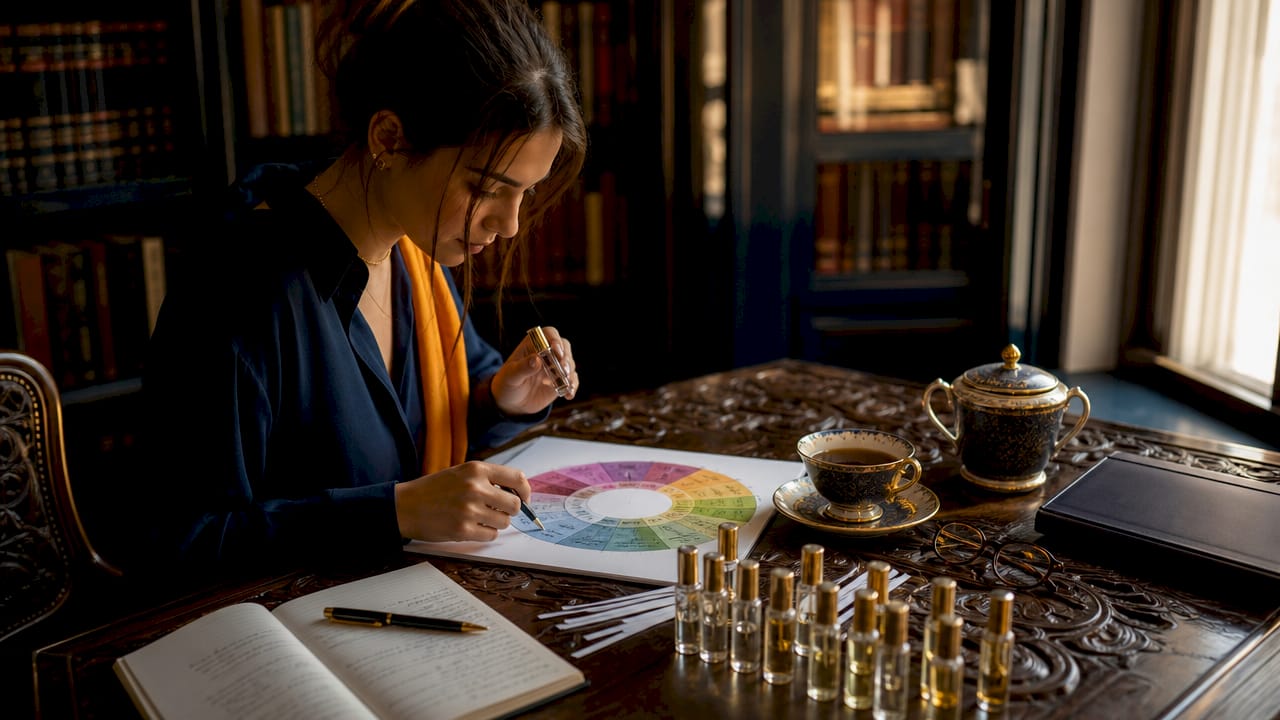
Understanding these families is the fastest way to narrow your options. Widely liked families like soft florals and fresh woods are safer bets when you have limited knowledge of the recipient’s preferences. Richer families like oriental and gourmand carry more risk because they are bold and polarizing.
Here is a breakdown of the major scent families and what they communicate:
- Floral: Rose, jasmine, peony, lily. Romantic, feminine, and classic. Works across all ages and occasions.
- Fresh: Citrus, green, aquatic, ozonic. Clean, light, and energetic. Ideal for everyday wear and warmer climates.
- Woody: Sandalwood, cedar, vetiver, oud. Warm, grounded, and sophisticated. Suits both men and women.
- Oriental: Amber, vanilla, musk, spice. Sensual and rich. Best for evening wear or cooler seasons.
- Gourmand: Caramel, chocolate, coffee, praline. Sweet and indulgent. Popular in niche and modern fragrance lines.
- Chypre: Oakmoss, bergamot, labdanum. Earthy and complex. A classic subcategory with a refined, vintage quality.
- Fougère: Lavender, coumarin, oakmoss. Fresh yet structured. A foundational category in men’s cologne.
The subcategories chypre and fougère help you refine choices within the broader woody and fresh families. If someone wears a classic men’s cologne, they likely enjoy fougère structures. If they gravitate toward green, earthy scents, chypre is worth exploring.
Pro Tip: Observe the recipient’s current fragrance or body care products before shopping. The notes they already wear tell you exactly which family to target on the fragrance wheel.
What do fragrance concentrations mean for gifting?
Fragrance concentrations determine how long a scent lasts and how far it projects. Choosing the wrong concentration for a recipient’s lifestyle is one of the most common gifting mistakes.
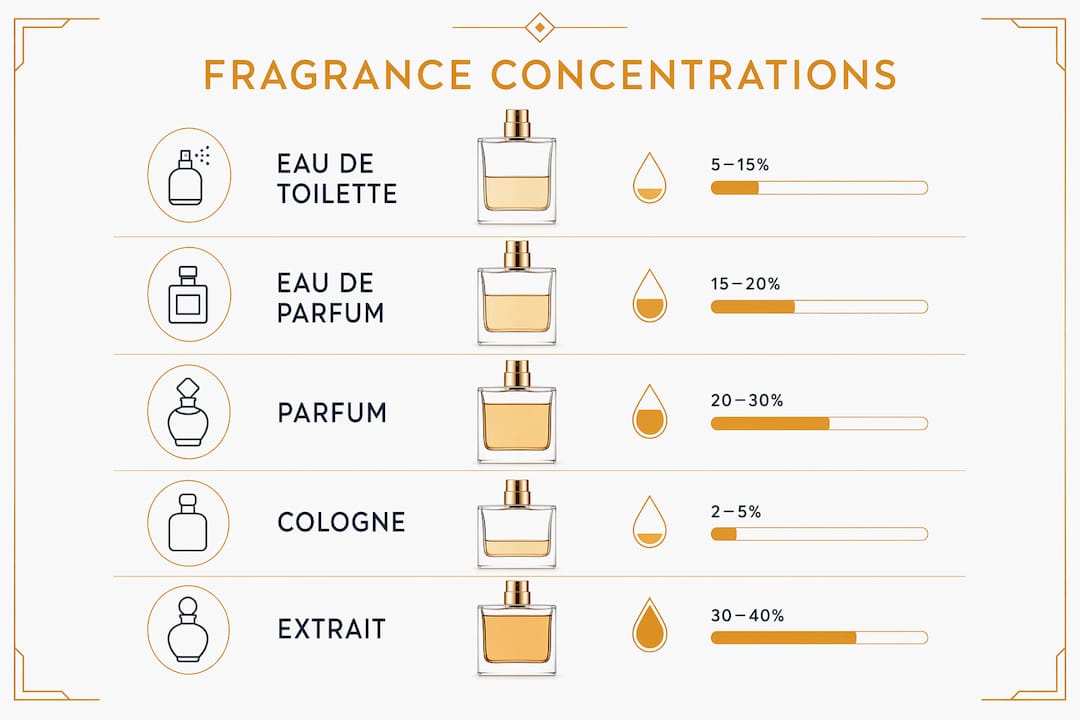
EDT, EDP, and Parfum differ significantly in oil content and wear time. Eau de Toilette contains 5–15% aromatic oil and lasts roughly 3–5 hours. Eau de Parfum contains 15–20% oil and lasts 6–8 hours. Parfum sits at 15–40% oil concentration and lasts 8 hours or more. That difference matters enormously for someone who wants a scent to carry them through a full workday versus someone who wants a light morning spritz.
| Concentration | Oil Content | Wear Time | Best For |
|---|---|---|---|
| Eau de Toilette (EDT) | 5–15% | 3–5 hours | Casual, daytime, warm climates |
| Eau de Parfum (EDP) | 15–20% | 6–8 hours | Office, everyday, cooler seasons |
| Parfum | 15–40% | 8+ hours | Evening, formal events, special occasions |
Lifestyle context shapes the right pick. A recipient who works in a fragrance-sensitive office benefits from a lighter EDT. Someone who attends evening events regularly will get more value from an EDP or Parfum.
Pro Tip: Climate affects performance directly. Hot, humid weather accelerates evaporation, so a heavier EDP in a tropical climate may perform like a lighter EDT. Gift a lighter concentration for warm-weather recipients.
How does occasion and season affect perfume gift choices?
The occasion-matching rule is the clearest guide for selecting fragrances as gifts. Lighter, fresh, and floral scents suit daytime and office settings. Richer orientals and gourmands belong to evenings and formal events. Applying this rule removes a significant amount of guesswork.
Season matters just as much as occasion. Warm, spicy, and woody fragrances feel natural in fall and winter. Fresh, citrus, and aquatic scents perform better in spring and summer. A seasonal fragrance guide can help you match the gift to the time of year you’re giving it.
The recipient’s professional environment is another factor worth considering. Some workplaces have fragrance-free policies, and gifting a heavy Parfum to someone in that situation creates an awkward situation. When in doubt, a lighter EDT or a discovery set gives the recipient flexibility.
Here are the best scent types for common gifting occasions:
- Birthday: Floral or fresh scents for daytime celebrations; oriental or woody for evening dinners.
- Anniversary: Rich EDP or Parfum in floral oriental or woody oriental families. Romantic and lasting.
- Holiday season: Warm gourmand, spiced oriental, or cozy woody scents match the season naturally.
- Graduation: Fresh or clean woody scents. Versatile enough for job interviews and celebrations alike.
- Valentine’s Day: Soft floral or sensual musky oriental. Intimate and personal.
- Just because: A fresh or light floral EDT. Low commitment, broadly appreciated.
Always consider whether the recipient has mentioned fragrance sensitivities. Fragrance sensitivity affects roughly 0.7–2.6% of the population. Opting for lighter concentrations or discovery kits is the safest approach when you are unsure.
What are the best ways to reduce risk when gifting perfume?
Blind buying a full bottle priced between $90 and $300 carries real risk. Decants and discovery sets costing $5–$25 let the recipient test a fragrance over a full day before committing to a full bottle. That single shift in approach eliminates most gifting regret.
Follow these steps to reduce risk when selecting a perfume gift:
- Sample first if possible. Visit a counter or order a decant before buying the full bottle. Test the scent on skin, not just paper.
- Wait for the drydown. A fragrance changes character 20–40 minutes after application. The initial spray is not the final scent. Always evaluate after the drydown phase.
- Choose discovery sets for uncertain recipients. A curated set of 5–10 small vials lets the recipient identify their favorite before you invest in a full bottle.
- Include a gift receipt or voucher. Experts recommend always including an exchange option so the recipient can swap if the scent does not suit them.
- Account for skin chemistry. The same fragrance smells different on different people. What works beautifully on you may read differently on the recipient’s skin.
“The most thoughtful perfume gift is one that gives the recipient room to love it on their own terms. A discovery set or gift receipt is not a backup plan. It is a sign of genuine consideration.”
Discovery sets also serve as a complete gift on their own. Many fragrance gift ideas center on curated sample collections precisely because they offer variety and remove the pressure of a single perfect choice.
What perfume to gift when you don’t know their taste?
When you have little information about the recipient’s preferences, soft florals and fresh woods are the safest starting points. These families are broadly appreciated across genders, ages, and lifestyles. They avoid the polarizing intensity of heavy orientals or gourmands.
Personalization adds value even when the scent itself is a safe choice. Consider these options:
- Gift sets and samplers: A curated set of three to five related scents gives the recipient agency and variety.
- Engraved or personalized packaging: Some retailers offer custom engraving on bottles, turning a fragrance into a keepsake.
- Pairing with complementary products: Body lotion or shower gel in the same scent family layers the fragrance and extends its wear.
- Fragrance vouchers or gift cards: These give full flexibility while still signaling that you put thought into the category.
Personalized gifting strategies consistently show that recipients value the effort behind a gift as much as the gift itself. A sampler paired with a handwritten note explaining why you chose that scent family lands better than an expensive blind bottle.
Pro Tip: Check the recipient’s bathroom shelf or dresser before shopping. Their current fragrance wardrobe tells you exactly which families they gravitate toward. Even one bottle gives you a clear direction on the fragrance wheel.
People today rotate multiple fragrances based on mood, season, and occasion rather than wearing a single signature scent. That shift means a well-chosen gift can slot naturally into an existing collection rather than needing to replace a beloved staple.
Key Takeaways
The most effective approach to perfume gifting combines fragrance family knowledge, concentration matching, and a risk reduction strategy like discovery sets or gift receipts.
| Point | Details |
|---|---|
| Start with fragrance families | Use the fragrance wheel to identify floral, fresh, woody, or oriental preferences before shopping. |
| Match concentration to lifestyle | Choose EDT for casual or warm-climate wear; EDP or Parfum for evenings and formal occasions. |
| Apply the occasion-matching rule | Lighter scents suit daytime and office; richer, deeper scents belong to evenings and special events. |
| Reduce risk with discovery sets | Spending $5–$25 on decants or samplers avoids the regret of a blind $90–$300 bottle purchase. |
| Always include an exchange option | A gift receipt or voucher lets the recipient swap if the scent does not work on their skin. |
Why I think most perfume gifts fail before they’re even bought
Most perfume gifts fail at the research stage, not the store. The buyer picks something that smells good to them, wraps it, and hopes for the best. That approach ignores the single most important variable in fragrance: skin chemistry. A scent that smells warm and woody on your wrist can read sharp and medicinal on someone else’s.
What I have seen work consistently is gifting a discovery set paired with a clear note about why you chose that scent family. Recipients who receive a sampler of five woody orientals with a card explaining “I noticed you always wear warm, earthy scents” feel genuinely seen. That emotional specificity is what separates a memorable gift from a polite one.
The other mistake I see often is chasing the single perfect bottle. Fragrance is not a one-size decision. Someone who loves a fresh citrus EDT in summer may reach for a rich oud EDP in winter. Gifting within a family rather than a single bottle gives the recipient room to find their own version of what you intended.
My honest recommendation: trust the fragrance wheel, respect the occasion, and always include a gift receipt. The receipt is not a hedge. It is the most considerate thing you can put in the box.
— Rodney
Authentic fragrances for every gift occasion at Aromatick
Finding the right scent at the right price is where most gift buyers get stuck. Aromatick carries a curated designer fragrance collection at 30–60% below typical retail prices, covering floral, fresh, woody, oriental, and gourmand families for both men and women.
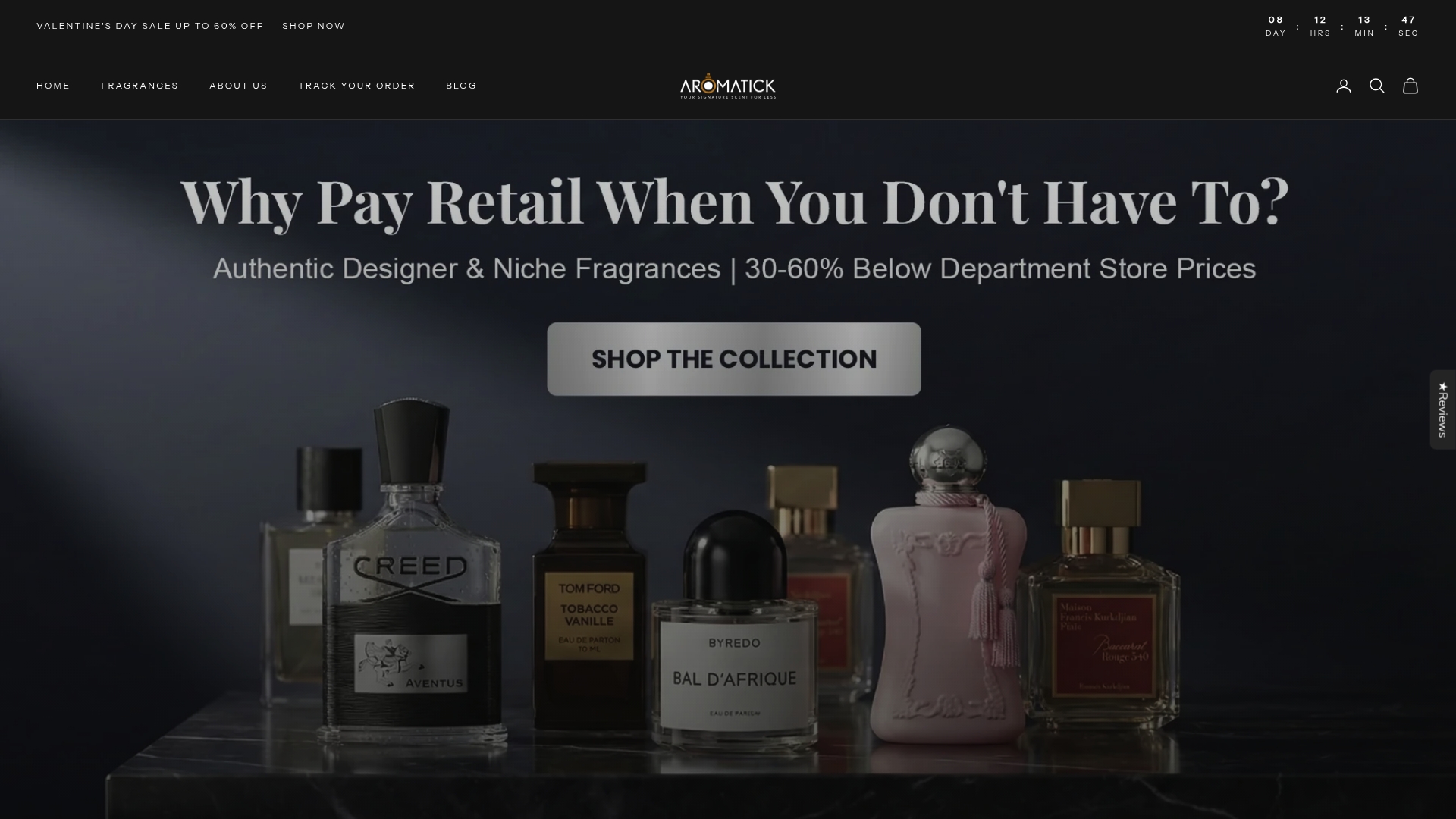
Gift buyers can browse women’s designer perfumes or explore niche fragrance options for recipients who want something less mainstream. Every product on Aromatick is authentic, ships free, and comes with a satisfaction guarantee. That combination makes it straightforward to gift confidently, whether you are choosing a full bottle or building a sampler selection for someone whose taste you are still learning.
FAQ
What is the safest perfume gift for someone with unknown preferences?
Soft florals and fresh woody scents are the safest choices for recipients with unknown preferences. Pairing a small discovery set with a gift receipt removes nearly all risk.
How do I pick between EDT and EDP as a gift?
Choose EDT for casual, daytime, or warm-climate recipients and EDP for someone who wants longer wear through evenings or cooler seasons. Concentration directly affects how many hours the scent lasts on skin.
Should I test a perfume before gifting it?
Testing is strongly recommended. Wait 20–40 minutes after application for the drydown phase, because a fragrance can change character significantly from the initial spray.
Are discovery sets a good perfume gift on their own?
Discovery sets are a complete and thoughtful gift. They let the recipient test multiple scents over full days and identify a favorite before committing to a full bottle.
How do I choose a perfume gift for a specific occasion?
Match the occasion to the scent intensity. Fresh and floral scents suit birthdays and daytime events. Rich orientals and woody Parfums work best for anniversaries, evenings, and formal celebrations.

Leave a comment
This site is protected by hCaptcha and the hCaptcha Privacy Policy and Terms of Service apply.