
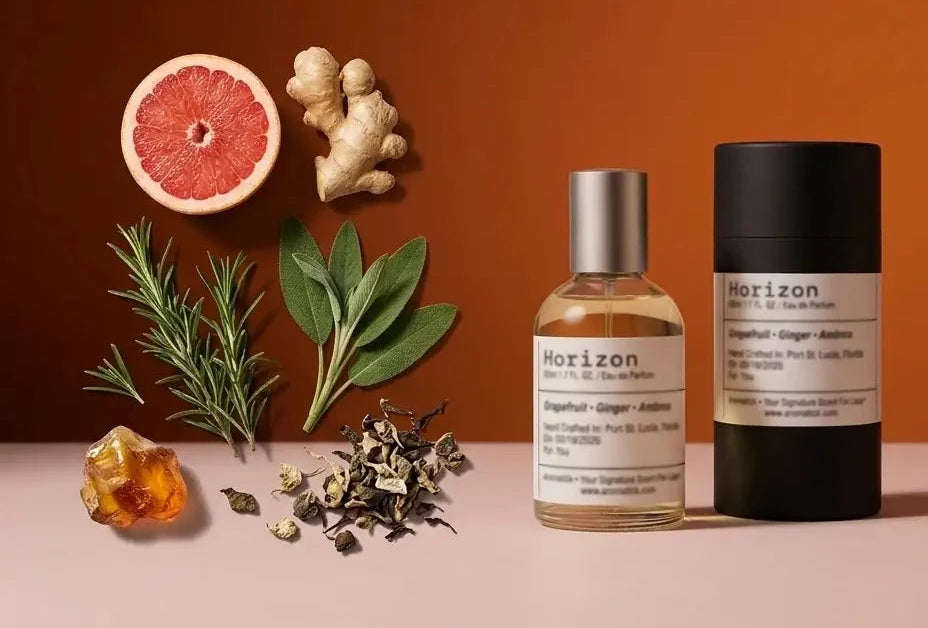

The Role of Bottle Design in Perfume Branding
TL;DR:
- Bottle design influences perfume sales by conveying fragrance identity and setting consumer expectations before tasting. Its shape, material, weight, and tactile details serve as subconscious signals of quality, mood, and brand personality. Iconic designs like Chanel No. 5 become cultural artifacts, strengthening brand loyalty and aesthetic value over time.
Bottle design in perfume is defined as the deliberate use of shape, material, weight, and tactile detail to communicate fragrance identity and drive purchase decisions before a single drop is smelled. The role of bottle design in perfume goes far beyond storage. Packaging design significantly enhances a consumer’s perceived value of a fragrance, especially when scent testing is unavailable, as in online retail. That finding reframes the bottle as a primary sales tool, not an afterthought. Fragrance enthusiasts and designers who understand this dynamic see the bottle as the first chapter of the scent story, one that sets expectations, signals quality, and earns trust before the cap ever comes off.
How does the role of bottle design in perfume shape consumer perception?
Bottle silhouettes function as what designers call “visual idioms.” They communicate mood, brand personality, and even scent character without a single word. Sharp angles signal modernity and boldness, while smooth curves suggest approachability and classic elegance. That distinction is not accidental. Perfume houses use geometry as a deliberate shorthand, letting the bottle pre-frame the olfactory experience the consumer is about to have.
The associations run deep and are largely subconscious. A tall, angular flacon with a flat rectangular cap reads as masculine and architectural. A rounded, soft silhouette with a floral stopper reads as feminine and romantic. These are not stereotypes so much as learned visual codes that fragrance brands reinforce consistently across decades of advertising and retail display.
Symmetry and asymmetry each carry distinct messages in luxury packaging. Symmetrical bottles project authority, balance, and timelessness. Asymmetrical forms signal creativity, disruption, and artistic ambition. Niche fragrance houses often favor asymmetry precisely because it separates them visually from mass-market offerings on a crowded shelf.
Here is how bottle geometry maps to common fragrance families:
- Angular, geometric forms: Oriental and woody fragrances, masculine positioning, bold brand identity
- Rounded, organic curves: Floral and fresh fragrances, feminine or unisex positioning, approachable luxury
- Tall, slender silhouettes: Aquatic and citrus fragrances, clean and modern brand narratives
- Wide, low profiles: Gourmand and amber fragrances, warmth, comfort, and indulgence
Pro Tip: When buying a fragrance online, study the bottle’s silhouette before reading the notes. The shape often telegraphs the scent family accurately, making it a useful first filter when you cannot smell the juice directly.
What role do materials, weight, and tactile features play in perfume bottle design?
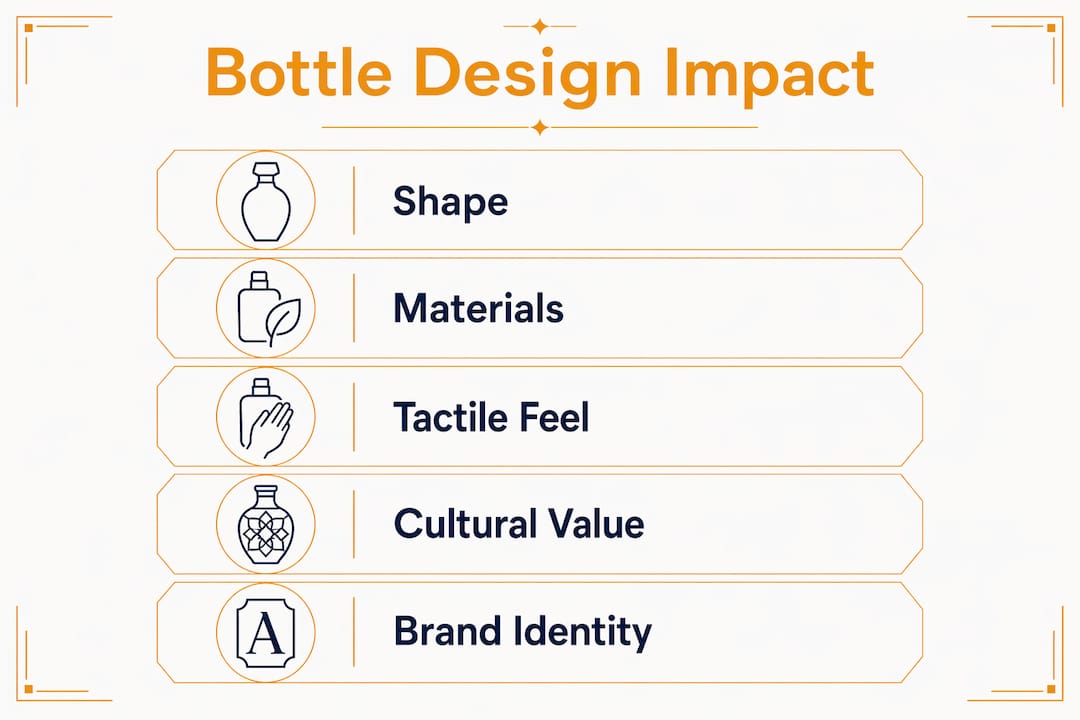
The physical experience of holding a perfume bottle is a calculated design decision. Heavy glass bases and magnetic caps serve as tactile brand handshake cues, signaling luxury and craftsmanship before the fragrance is ever experienced. The weight of a bottle in your hand triggers an immediate, subconscious quality judgment. Heavier means better, at least in the consumer’s mind, and perfume houses know this.
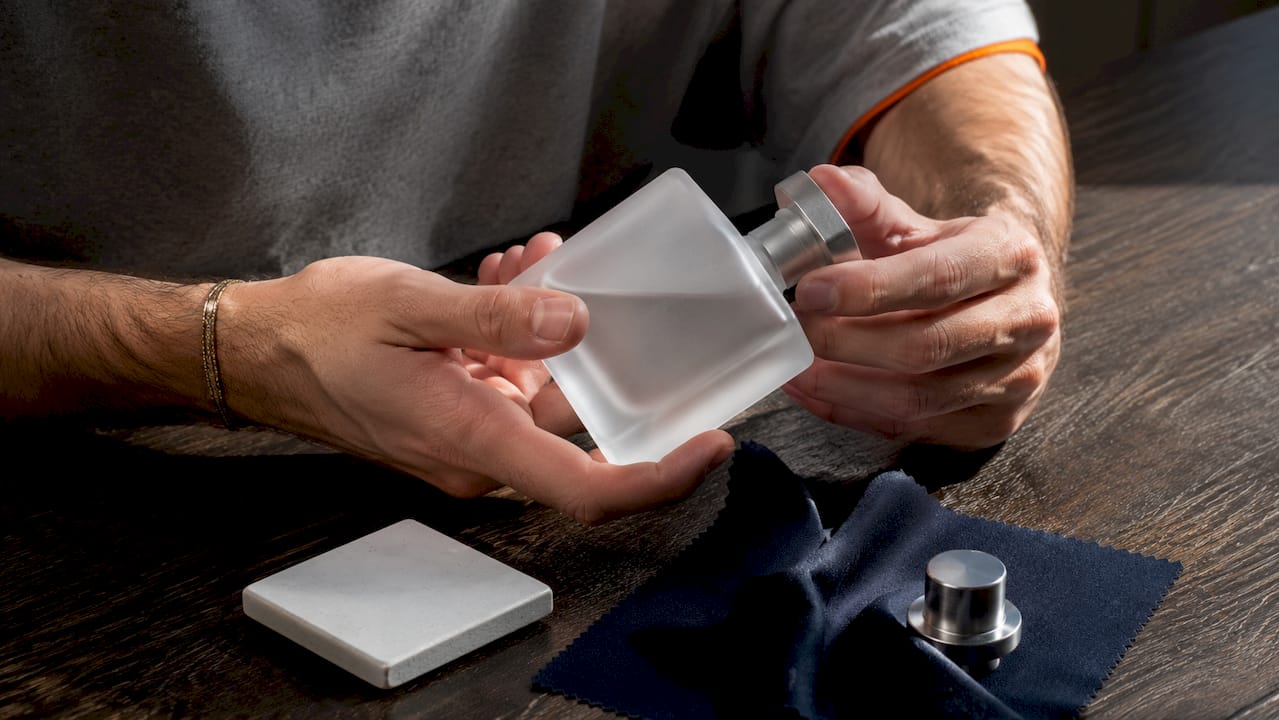
Low-iron glass, sometimes called “extra-clear” glass, is the material of choice for premium flacons. It removes the faint green tint present in standard glass, allowing the fragrance’s true color to show through with full visual clarity. That clarity reads as purity and precision. It also photographs beautifully, which matters enormously in an era where bottle aesthetics drive social media sharing and online purchase confidence.
Tactile details extend the brand experience into every interaction. The satisfying click of a magnetic cap, the cool weight of a crystal stopper, the slight resistance of a well-machined spray nozzle: each of these moments reinforces the brand’s promise. Consumers use perfume bottles as proxy evidence to evaluate quality and reduce perceived purchase risk, particularly when they cannot test the scent in person.
Key material and tactile signals that communicate luxury:
- Glass weight and density: Heavier glass subconsciously signals higher quality and durability
- Low-iron glass clarity: Removes color distortion, showcasing the fragrance’s true hue
- Magnetic or weighted caps: Create a satisfying closure experience that reinforces premium positioning
- Engraved or embossed surfaces: Add depth and a handcrafted feel that elevates perceived exclusivity
- Metal accents and collars: Introduce contrast and visual richness that plain glass cannot achieve alone
Pro Tip: If you are evaluating a fragrance purchase online, check whether the brand specifies glass type or cap mechanism in the product description. Brands that invest in these details typically invest equally in the quality of the juice inside.
In what ways does perfume bottle design function as a cultural and collectible artifact?
Modern perfume bottles have evolved from simple containers into objects that consumers keep, display, and photograph long after the fragrance is gone. Chanel No. 5’s bottle sells one unit every 30 seconds since its 1921 launch and holds a permanent place in the Museum of Modern Art’s collection. That is not a packaging story. That is a cultural legacy story, and the bottle is its most visible symbol.
The bottle’s role as a collectible artifact is now a deliberate brand strategy, not a happy accident. Packaging is no longer functional alone. Exceptional material choices, print quality, and cohesive design enhance brand positioning and perceived exclusivity in ways that the fragrance alone cannot achieve. Brands that treat the bottle as a collectible object extend their consumer relationship well beyond the last spray.
The gifting dimension amplifies this effect significantly. A beautifully designed bottle transforms a fragrance from a personal purchase into a statement gift. The recipient displays it. They photograph it. They share it. Each of those actions extends the brand’s reach without any additional marketing spend.
| Design Element | Cultural Function | Consumer Behavior Triggered |
|---|---|---|
| Iconic silhouette | Brand recognition across generations | Display, gifting, social sharing |
| Limited edition packaging | Scarcity and collector value | Repeat purchase, brand loyalty |
| Museum-quality materials | Elevation to art object status | Long-term retention of empty bottle |
| Storytelling through form | Emotional connection to brand narrative | Advocacy and word-of-mouth |
Modern perfume bottles have evolved from simple containers into cultural artifacts that consumers cherish as collectible art pieces. That shift means fragrance houses now compete on design legacy as much as on scent quality.
How do designers align bottle aesthetics with fragrance profiles and brand identity?
The design process that produces a coherent perfume bottle is more rigorous than most consumers realize. Sensory branding coherence requires bottle design, retail environment, and brand communication to align as a unified system. A bottle that looks mismatched with its fragrance, its advertising, or its retail context creates cognitive dissonance that erodes trust. Coherence, not just beauty, is the goal.
The process typically follows a structured sequence:
- Define the emotional register. The design team identifies the core feeling the fragrance should evoke: warmth, freedom, sensuality, or clarity. This emotional brief drives every subsequent decision.
- Translate emotion into form language. Designers convert the emotional brief into specific shape vocabulary. Warmth becomes rounded forms and amber-toned glass. Clarity becomes angular geometry and colorless crystal.
- Select materials for sensory alignment. Glass weight, surface texture, and cap mechanism are chosen to reinforce the emotional register physically, not just visually.
- Test proportions for manufacturing viability. Industrial design rigor ensures every proportion and material choice aligns with manufacturing feasibility while delivering tactile luxury. A beautiful prototype that cannot be produced at scale is a failed design.
- Validate against the full brand ecosystem. The bottle is reviewed alongside advertising imagery, retail display, and digital photography to confirm it reads correctly across all contexts.
Packaging should be treated as a product itself for maximal brand impact. That principle separates brands that create lasting design legacies from those that produce forgettable flacons. The bottle is not the container for the product. The bottle is part of the product. Understanding that distinction is what separates great fragrance design from merely adequate packaging.
When you buy niche perfume online, the bottle’s design coherence is one of the most reliable signals of a brand’s overall commitment to quality. A brand that invests in thoughtful, well-executed packaging almost always invests equally in the fragrance itself.
Key Takeaways
Bottle design is the primary sensory and trust signal in fragrance marketing, shaping purchase decisions, cultural perception, and long-term brand loyalty before the scent is ever experienced.
| Point | Details |
|---|---|
| Shape communicates scent identity | Angular forms signal boldness; curves signal elegance, guiding consumer expectations before opening. |
| Material quality builds trust | Heavy glass and magnetic caps trigger subconscious quality judgments that reduce purchase risk. |
| Bottles function as cultural artifacts | Iconic designs like Chanel No. 5 achieve museum status and drive consumer loyalty across generations. |
| Design coherence is non-negotiable | Bottle, retail environment, and communication must align as one sensory system for brand credibility. |
| Packaging is a product, not a container | Brands that treat the bottle as a product in its own right create stronger emotional connections and lasting design legacies. |
Why bottle design is the most underestimated force in fragrance marketing
I have spent years observing how fragrance enthusiasts make purchase decisions, and the pattern is consistent: the bottle closes the sale more often than the notes list does. People will read “bergamot, vetiver, sandalwood” and feel nothing. Then they see the bottle, and something shifts. The weight, the shape, the way light moves through the glass: these things communicate in a register that words simply cannot reach.
What surprises most people is how rarely brands treat this seriously at the strategic level. They invest heavily in the perfumer, the raw materials, and the advertising campaign, then hand the bottle brief to a junior designer with a tight budget and a tight deadline. The result is a fragrance that smells extraordinary but sits on the shelf looking generic. That mismatch costs sales, and it costs brand equity over time.
The trend I find most encouraging right now is the rise of packaging as an emotional experience in niche perfumery. Smaller houses, unconstrained by mass-market production economics, are treating the bottle as a genuine design object. They are collaborating with artists, using unconventional materials, and building bottles that people genuinely do not want to throw away. That is the direction the entire industry should be moving. When a consumer keeps your empty bottle on their vanity for years, you have achieved something advertising budgets cannot buy.
If you want to recognize authentic perfumes by their packaging cues, start with the weight and the finish. Authentic designer bottles feel deliberate in every detail. Counterfeits almost always cut corners on the one thing that costs the most: the tactile experience.
— Rodney
Authentic designer fragrances with packaging worth keeping at Aromatick
The bottle is part of the experience, and at Aromatick, that experience starts the moment your order arrives. Aromatick’s designer fragrance collection brings together authentic perfumes and colognes from the world’s most respected houses, each with the bottle design and packaging quality that reflects the brand’s true identity.
Every fragrance in Aromatick’s catalog is 100% authentic, sourced directly to eliminate the overhead of traditional retail and pass those savings on to you. Discounts reach up to 60% off retail price, which means you get the full sensory experience, including the bottle, the weight, the cap, and the scent, without the department store markup. Explore the full collection and find a fragrance whose design speaks to you before you even read the notes.
FAQ
Does bottle design actually influence whether people buy a perfume?
Yes. Packaging design mediates purchase intention significantly, especially in online retail where scent testing is impossible. The bottle is the primary quality signal available to the buyer.
How does bottle shape affect the way a fragrance is perceived?
Bottle silhouettes act as visual idioms: sharp angles suggest boldness and modernity, while curves suggest warmth and classic elegance, pre-framing the consumer’s scent expectations.
Why do people keep empty perfume bottles?
Strong bottle design frames the fragrance as a collectible, display-worthy object. Consumers retain empty bottles because the design carries emotional and aesthetic value independent of the scent.
What materials signal luxury in a perfume bottle?
Low-iron glass, heavy bases, magnetic caps, and engraved or embossed surfaces are the primary material cues that communicate premium quality and craftsmanship to consumers.
Is the Chanel No. 5 bottle considered a design artifact?
Yes. The Chanel No. 5 bottle holds a permanent place in the Museum of Modern Art’s collection and sells one unit every 30 seconds globally, making it the most recognized example of perfume packaging as cultural artifact.

Leave a comment
This site is protected by hCaptcha and the hCaptcha Privacy Policy and Terms of Service apply.