

Why Luxury Brands Expand to Fragrance: A Strategist's Guide
TL;DR:
- Luxury brands expand into fragrance because it offers high margins and recurring revenue. Fragrance helps build consumer loyalty, deepen brand identity, and provides a stable financial anchor.
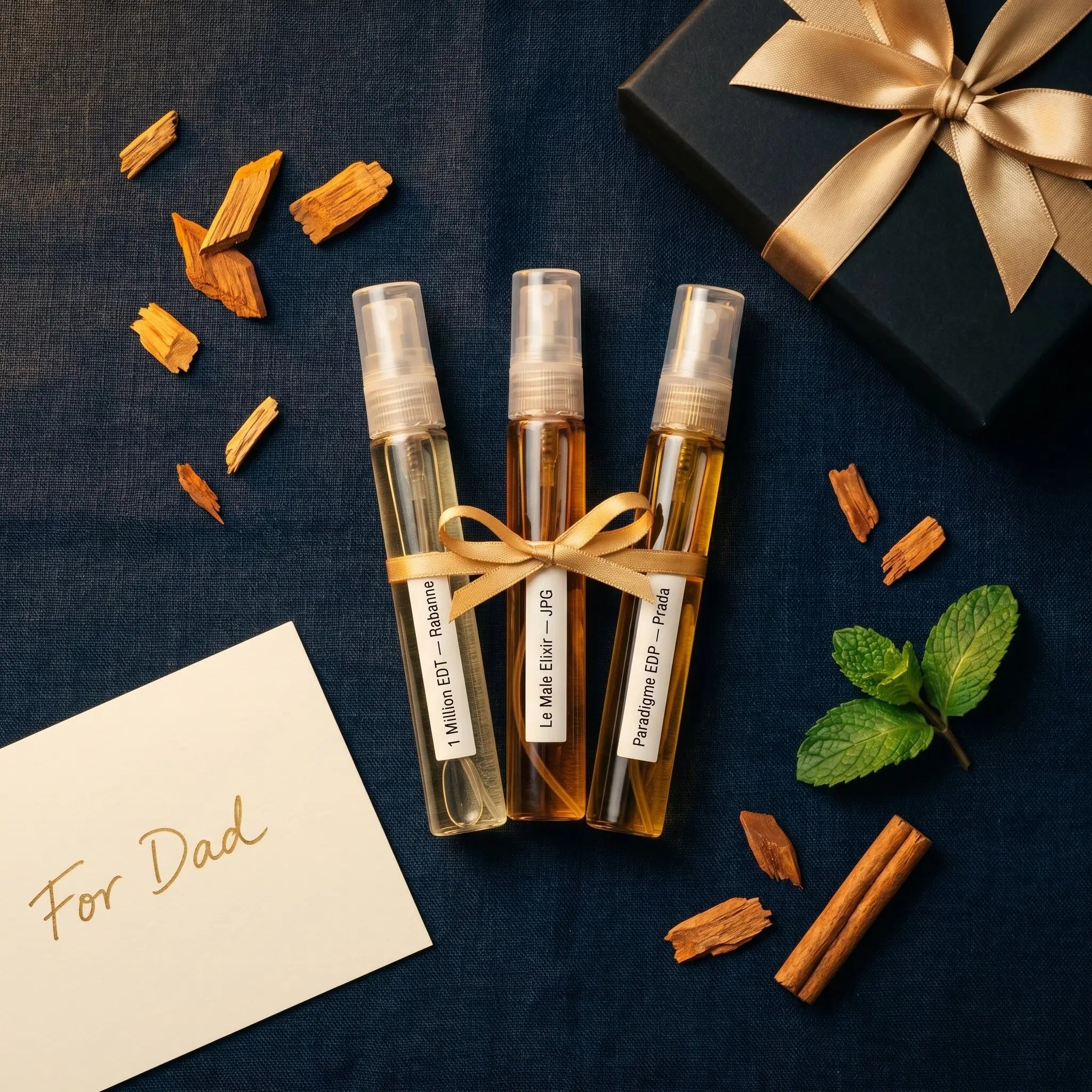
Fragrance is defined as the highest-margin, most replenishable product category available to a luxury brand. That single fact explains why luxury brands expand to fragrance more reliably than into any other adjacent category. While a couture dress sells once, a signature scent sells repeatedly, building a revenue base that cushions the seasonal swings of ready-to-wear. Brands like Dior, Maison Margiela, Jean Paul Gaultier, and Parfums de Marly have each demonstrated that a well-executed fragrance line does more than generate income. It deepens consumer identity, widens market access, and creates emotional loyalty that apparel alone rarely achieves.
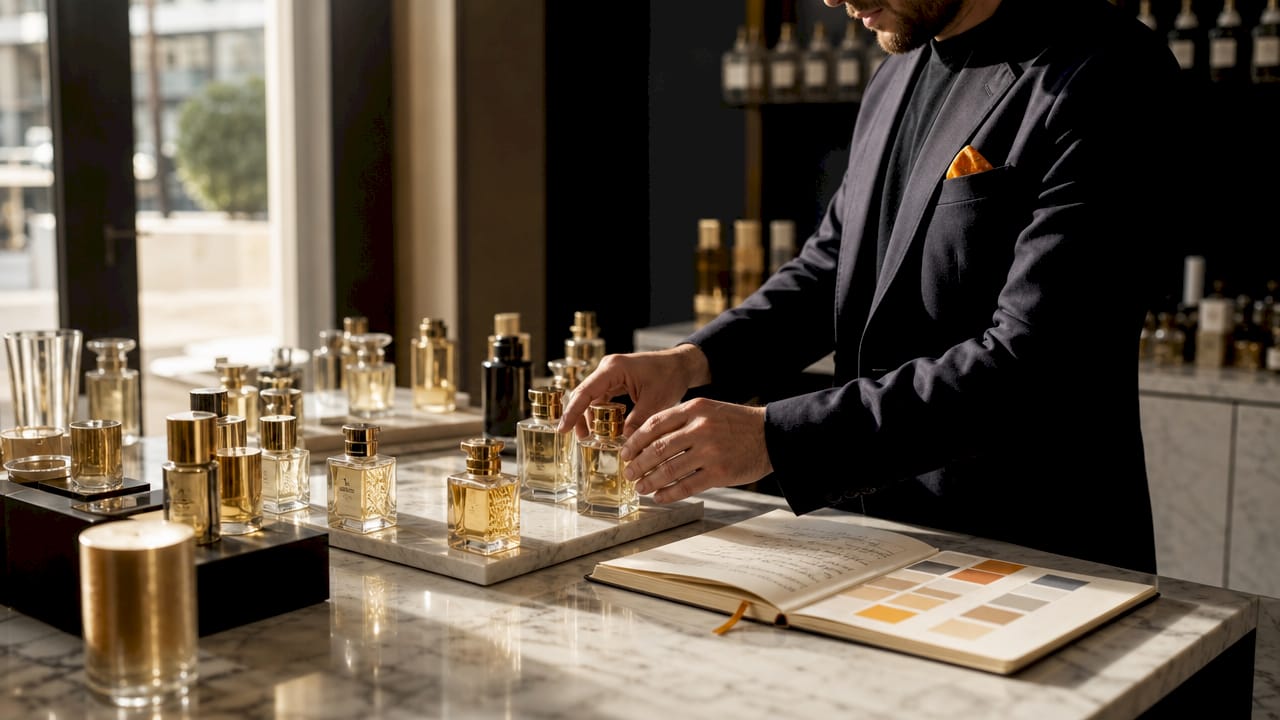
Why luxury brands expand to fragrance: the financial case
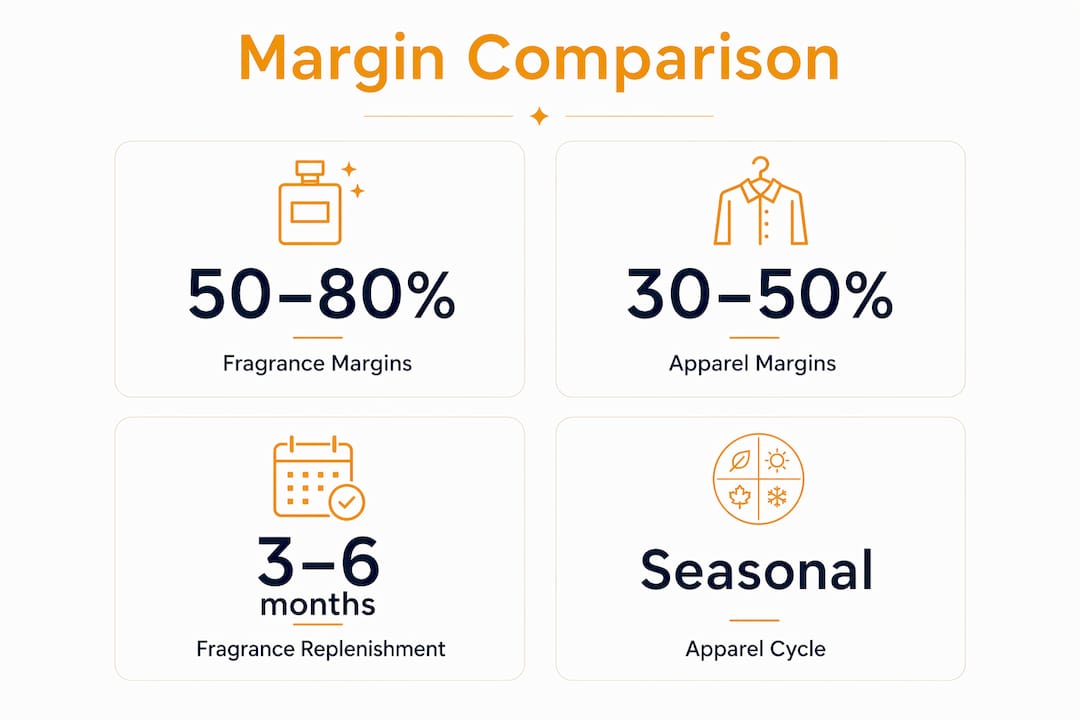
The business rationale for luxury brand fragrance expansion is straightforward. Beauty and fragrance margins run between 50–80%, while fashion apparel margins frequently fall in the 40–60% range and erode further at the operating level. That gap is not incidental. It reflects the fundamental difference between a product consumers buy once and a product they replenish every few months.
Fragrance is a consumable. A customer who bonds with a scent returns to buy it again, often within six months. That replenishment cycle creates a predictable revenue rhythm that fashion’s seasonal model cannot replicate. A coat collection depends on weather, trend cycles, and retail timing. A fragrance collection depends on a customer running out of their favorite bottle.
The numbers from niche players confirm the opportunity. Parfums de Marly and Initio, both operating in the premium niche segment, targeted $1 billion in combined sales by 2025 through high-margin, limited-distribution fragrances. That scale, achieved without the overhead of a full fashion operation, illustrates how focused fragrance strategy can generate outsized returns.
Margin comparison: fragrance vs. apparel
| Category | Gross margin range | Revenue model | Replenishment cycle |
|---|---|---|---|
| Luxury fragrance | 50–80% | Consumable, recurring | Every 3–6 months |
| Ready-to-wear fashion | 40–60% | Seasonal, one-time | Annual or less |
| Haute couture | Variable, often lower | Bespoke, infrequent | Rarely replenished |
| Niche fragrance | 60–80%+ | Limited distribution, premium | Every 3–6 months |
Operationally, fragrance also simplifies inventory management. A 75ml bottle does not require sizing, fitting, or seasonal markdown cycles. Production lead times are more predictable, and logistics costs per unit of revenue are lower than for garments. For a brand managing both a fashion house and a beauty division, fragrance acts as the financial anchor.
Pro Tip: When building a fragrance line business case, model the lifetime value of a repeat fragrance customer separately from a one-time apparel buyer. The difference in projected revenue per customer will make the investment case clear to any CFO.
How does fragrance strengthen luxury brand identity?
Fragrance is the most accessible entry point into a luxury brand’s world. A consumer who cannot afford a Dior gown can own Dior’s Miss Dior. That accessibility is not a compromise. It is a deliberate strategy that Dior integrated from inception, treating fragrance as a central expression of the brand’s identity rather than a secondary product line.
This entry-point function matters enormously for brand strategists. Fragrance allows a luxury house to recruit younger, aspirational consumers who may later graduate to handbags, shoes, and apparel. The scent becomes their first emotional bond with the brand. That bond, reinforced every time they spray the bottle, is more durable than any advertising campaign.
Consumer motivation has also shifted. According to Puig leadership, consumers now seek identity-driven scent experiences rather than simply buying a brand name. They want a scent that says something specific about who they are. This shift rewards brands that invest in storytelling, ingredient transparency, and creative distinctiveness over those that simply attach a logo to a generic formula.
The most effective luxury fragrance marketing reflects this reality:
- Storytelling over status: Consumers respond to narrative. Jean Paul Gaultier’s Les Ateliers Gaultier collection frames each scent as a creative statement, not a brand badge.
- Ingredient provenance: Calling out rare or ethically sourced materials, such as Haitian vetiver or Grasse rose, signals craft and authenticity.
- Limited editions and exclusivity: Scarcity reinforces desirability. Releasing a fragrance in limited quantities creates urgency without discounting.
- Sensory retail experiences: In-store scent bars and personalized consultations deepen the emotional connection at the point of purchase.
“The fragrance market is at a turning point. Mass-market saturation is pushing brands to innovate beyond traditional signature scents, with exclusivity and radical creation becoming the new benchmarks for prestige.” — Maison Margiela, 2026
What are the key luxury scent market trends shaping brand expansions?
The luxury fragrance market is splitting into two distinct tiers, and brand strategists need to understand both. The first is the masstige tier, where accessible luxury fragrances reach broad audiences through department stores and online retail. The second is haute perfumery, where radical creativity, proprietary scent architecture, and premium pricing target serious collectors and connoisseurs.
Maison Margiela’s 2026 Scentsorium collection, priced around $350 for 75ml, exemplifies the haute perfumery approach. At that price point, the brand is not competing with department store fragrances. It is competing with fine art and bespoke tailoring for a consumer who views scent as a form of self-expression at the highest level.
The niche segment is growing at a pace that demands attention. In Brazil, niche fragrance market share rose from 1% in 2021 to 8% in 2025. That growth rate, sustained over four years in a single emerging market, signals a global consumer appetite for alternatives to mainstream fragrance. Brands that entered niche channels early are now reaping the rewards of that positioning.
Masstige vs. haute perfumery: strategic comparison
| Dimension | Masstige fragrance | Haute perfumery |
|---|---|---|
| Price range | $80–$200 | $250 and above |
| Distribution | Department stores, online | Exclusive boutiques, direct |
| Target consumer | Aspirational luxury buyer | Fragrance connoisseur |
| Brand goal | Volume, awareness | Prestige, differentiation |
| Key risk | Brand dilution | Limited market size |
Younger consumers are the primary engine of niche growth. Over 60% of Parfums de Marly purchases come from younger demographics. These buyers practice “fragrance wardrobing,” rotating multiple scents the way they rotate outfits. That behavior multiplies purchase frequency and creates natural demand for a brand’s full fragrance catalog rather than a single hero scent.
Pro Tip: If your brand is entering fragrance for the first time, launch in the niche tier rather than the masstige tier. Niche positioning builds credibility with the most influential fragrance consumers first, and you can expand distribution later. Reversing course from masstige to niche is far harder.
What challenges do luxury brands face when expanding to fragrance?
Brand equity does not transfer automatically. A luxury fashion house cannot simply commission a fragrance, attach its logo, and expect consumers to accept it as authentic. Attempts to overlay high-end fragrance on brands without established fragrance context consistently underperform, regardless of marketing spend.
The core challenge is permission. Consumers grant fragrance credibility to brands that have earned it through consistent retail presence, coherent brand storytelling, and pricing integrity. A brand that discounts heavily in its core category will struggle to command premium fragrance prices. The consumer’s mental model of the brand sets the ceiling for what they will pay for its scent.
Strategists navigating fragrance expansion face several concrete obstacles:
- Scent duplication risk: Without proprietary formulas and exclusivity clauses with perfumers, competitors can commission near-identical scents. Maison Margiela addresses this through proprietary scent architecture and distinctive bottle design that functions as a legal and perceptual barrier.
- Distribution discipline: Placing a fragrance in too many retail channels too quickly erodes the exclusivity that justifies premium pricing.
- Ingredient sourcing: Luxury fragrance consumers increasingly scrutinize ingredient quality and sustainability. Sourcing rare naturals requires supplier relationships that take years to build.
- Brand coherence: The fragrance must feel like a natural expression of the brand’s existing aesthetic. A mismatch between the fashion identity and the scent profile confuses consumers and weakens both.
Successful luxury fragrance expansions require integration of both fashion and beauty visions across every consumer touchpoint. That means the fragrance campaign, the bottle design, the retail environment, and the scent itself must all speak the same brand language.
Key Takeaways
Luxury brands that treat fragrance as a financial and identity asset, not just a product extension, consistently outperform those that approach it as an afterthought.
| Point | Details |
|---|---|
| Fragrance margins are superior | Beauty and fragrance gross margins run 50–80%, significantly above ready-to-wear apparel. |
| Consumability drives recurring revenue | Replenishment cycles of 3–6 months create predictable income that fashion’s seasonal model cannot match. |
| Fragrance is the brand’s entry point | Accessible scent pricing recruits aspirational consumers who build loyalty before moving to higher-ticket categories. |
| Niche positioning builds lasting credibility | Launching in niche channels first establishes prestige with influential consumers before scaling distribution. |
| Brand permission must be earned | Fragrance credibility requires consistent retail presence, pricing integrity, and coherent brand storytelling. |
Fragrance lines as a dual tool for brand growth and stability
The brands I watch most closely in this space are not the ones with the biggest fragrance launches. They are the ones that treat fragrance as a structural part of their business model rather than a marketing exercise. When fashion revenues dip due to a weak season or a trend shift, a well-built fragrance portfolio keeps the lights on. That is not a small thing.
What strikes me most about the current market is how the consumer has outpaced many brand strategists. Younger buyers already understand fragrance wardrobing, niche positioning, and ingredient provenance better than some brand teams do. If you are advising a luxury house on fragrance expansion, the most dangerous assumption you can make is that your consumer needs to be educated. They do not. They need to be impressed.
The practical advice I give to strategists is this: do not launch a fragrance to generate revenue. Launch it to say something true about the brand that apparel cannot say on its own. Revenue follows authenticity in this category more reliably than in almost any other. Brands that get the story right, as Dior did from its earliest days, build fragrance businesses that outlast any single fashion collection. You can explore current luxury fragrance trends to see how that storytelling plays out at the consumer level today.
— Rodney
Authentic niche fragrances worth knowing about
Aromatick curates one of the most accessible collections of authentic niche and designer fragrances available online, with discounts of up to 60% off retail prices.
For brand strategists and fragrance enthusiasts who want to experience the niche tier firsthand, Aromatick’s niche fragrance collection brings together the labels shaping the market today, including Initio Parfums Privés, available through Aromatick’s Initio collection at significant savings. Every bottle is authentic, every price is transparent, and free shipping removes the last barrier between you and the scents driving luxury fragrance’s most interesting chapter. If you want practical guidance before buying, Aromatick’s fragrance shopping tips cover everything you need to shop confidently.
FAQ
Why do luxury brands choose fragrance over other product extensions?
Fragrance offers gross margins of 50–80% and a replenishment cycle of 3–6 months, making it the most financially stable extension available to a luxury house. No other adjacent category combines those margin levels with recurring consumer demand.
What is fragrance wardrobing and why does it matter for brand strategy?
Fragrance wardrobing is the practice of rotating multiple scents across different occasions, moods, or seasons. Over 60% of Parfums de Marly’s buyers are younger consumers who practice this behavior, multiplying purchase frequency and demand for a brand’s full fragrance range.
Can a brand without fragrance heritage successfully launch a scent line?
A brand can launch successfully, but only if it has consistent retail presence, pricing integrity, and a coherent brand story that gives consumers a reason to trust its fragrance. Attempts to buy instant fragrance credibility without that foundation consistently underperform.
What is the difference between masstige fragrance and haute perfumery?
Masstige fragrances are priced between roughly $80 and $200 and distributed broadly through department stores and online channels. Haute perfumery, exemplified by Maison Margiela’s Scentsorium collection at around $350 per bottle, targets connoisseurs through exclusive boutiques and prioritizes radical creativity over volume.
How does niche fragrance growth affect mainstream luxury brand strategy?
Niche fragrance market share in Brazil grew from 1% in 2021 to 8% in 2025, signaling a global consumer shift toward exclusivity and creativity. Mainstream luxury brands must respond by developing proprietary, limited-distribution lines or risk losing their most influential fragrance consumers to dedicated niche houses.

Leave a comment
This site is protected by hCaptcha and the hCaptcha Privacy Policy and Terms of Service apply.