

Why Store Brand Fragrances Differ from Designer Scents
TL;DR:
- Store brand fragrances rely more on synthetic ingredients and simple blends, resulting in less depth and longevity compared to designer perfumes. The quality of raw materials, blending techniques, and formulation complexity significantly impact scent richness and evolution. Commercial factors like marketing, packaging, and regulations also influence fragrance prices and changing profiles over time.
Store brand fragrances are defined by their heavier reliance on synthetic ingredients and simpler blending formulas, which directly explains why store brand fragrances differ so noticeably from designer perfumes in scent depth, lasting power, and overall character. The gap between a $15 drugstore cologne and a $120 designer eau de parfum is not just marketing. It reflects real differences in raw materials, formulation craft, production economics, and regulatory compliance. Understanding these factors helps you choose a fragrance based on what actually matters to you, not just the label on the bottle.
Why store brand fragrances differ in ingredient quality
The single biggest driver of fragrance quality is what goes inside the bottle. Luxury perfumes use rare, natural materials that are difficult to harvest and sometimes take years to produce. That scarcity creates a richer, more complex aroma that synthetic substitutes struggle to replicate.
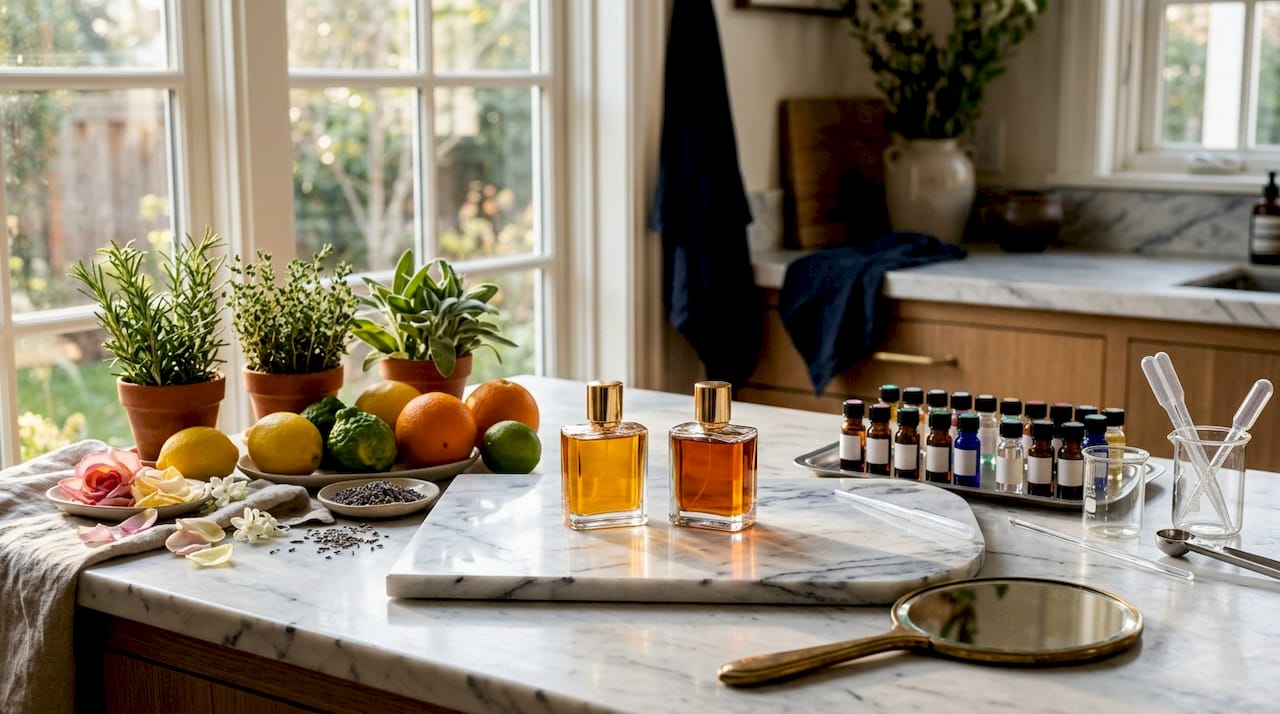
Mass-market and store brand perfumes typically use higher proportions of synthetic oils and simpler accords to keep costs low. The result is a scent that can smell sharp or thin, especially after the top notes fade. Designer formulas, by contrast, use more concentrated natural oils that interact with your skin chemistry over hours, creating a scent that evolves rather than disappears.
The purity of raw materials also matters. A rose absolute sourced from Grasse, France, carries dozens of natural aromatic compounds that a synthetic rose molecule cannot fully reproduce. That complexity is what gives a high-end fragrance its sense of depth and warmth. When you strip those layers out, you get a scent that smells recognizable but flat.
Here is what ingredient quality actually affects in practice:
- Scent richness: Natural materials carry more aromatic compounds, producing fuller, rounder scent profiles.
- Longevity: Higher concentrations of quality ingredients bind better to skin and last longer through the day.
- Scent evolution: Premium ingredients shift gradually from bright top notes to warm base notes. Cheaper formulas often fade uniformly.
- Skin interaction: Natural oils react with your body chemistry, making the scent feel personal rather than generic.
Pro Tip: Spray a fragrance on your wrist and wait 30 minutes before judging it. The dry-down phase reveals ingredient quality far better than the initial spray.
How blending techniques shape scent complexity
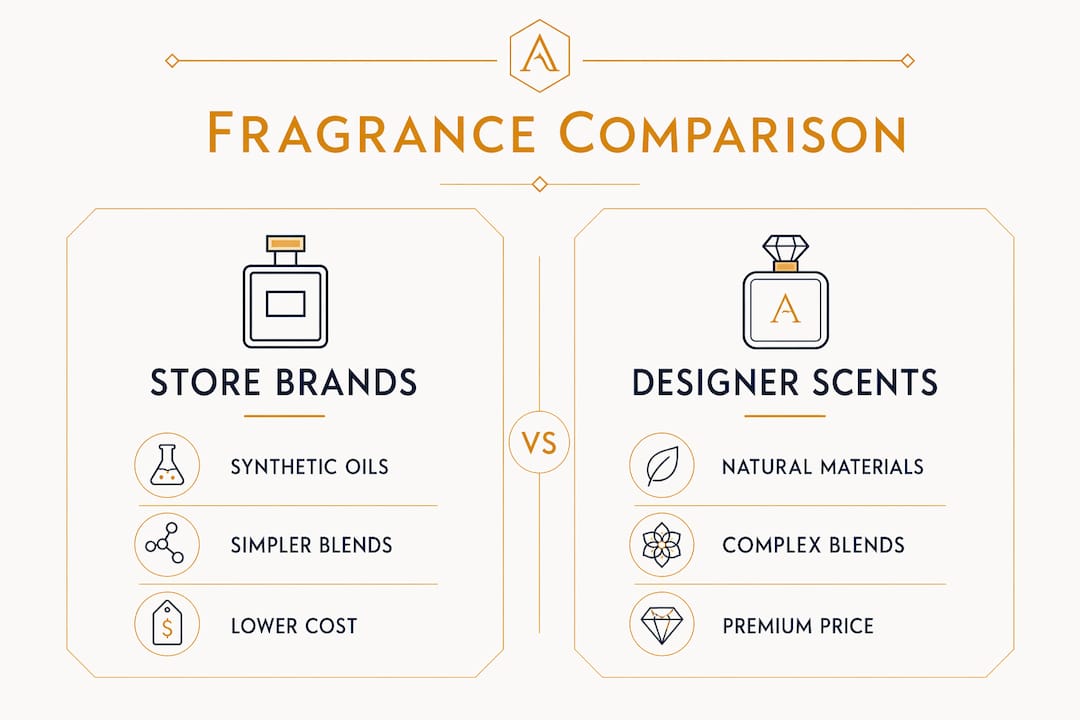
Ingredient quality alone does not make a great perfume. The way those ingredients are combined determines whether a fragrance smells smooth and layered or harsh and one-dimensional. Expert perfumers focus on molecular balance to avoid sharp spikes in the scent profile and to create smooth transitions between the top, heart, and base notes.
Think of a fragrance as a piece of music. A cheap recording might have the same notes as a studio album, but the mixing and mastering are what make one sound polished and the other sound rough. Blending in perfumery works the same way.
Here is how the blending process creates the difference you actually smell:
- Top note calibration: A skilled perfumer selects volatile top notes that open brightly without overwhelming the heart. Store brand formulas often use aggressive citrus or synthetic aldehydes that spike and vanish.
- Heart note harmony: The heart is where a fragrance lives for most of the day. Quality blending creates smooth transitions between floral, spicy, or woody heart notes without any single material dominating.
- Base note anchoring: Base notes like sandalwood, musk, and vetiver act as the structural backbone of a fragrance. They anchor the volatile top notes and give the scent its lasting character.
- Molecular balance: High-end perfumers use proprietary synthetic molecules, sometimes called captive molecules, to fill gaps that natural materials cannot cover. These patented captive molecules add uniqueness and depth that no other brand can replicate exactly.
“High-quality blending is often perceived as a smoother, more harmonious scent experience without harsh edges or chemical sharpness, even when synthetics are involved. The craft lies not in avoiding synthetics but in using every ingredient at exactly the right proportion.”
This is why two fragrances with similar ingredient lists can smell completely different. The ratio, sequence, and molecular interaction of those ingredients determine the final experience. Store brand formulas rarely invest in the R&D required to achieve that level of precision.
Why branding, production scale, and marketing affect fragrance pricing
The difference in perfume quality between store brands and designer labels is not only about what is in the bottle. Commercial factors shape the price and perception of a fragrance just as much as the formula itself.
Niche fragrance brands produce limited batches focused on artistry, with higher per-unit costs. Designer brands benefit from economies of scale and broad distribution that lower production costs and increase availability. That commercial distinction shapes pricing more than inherent quality alone.
Key commercial factors that drive the price gap include:
- Marketing budgets: Major designer houses spend heavily on celebrity campaigns, print advertising, and retail placement. A portion of every bottle’s price covers that spend.
- Packaging investment: Luxury perfumes invest more in packaging durability and design. Store brand bottles often use lighter glass and simpler caps that feel less substantial in hand.
- Distribution channels: Designer fragrances sell through department stores and specialty retailers, which add retail markup. Store brands bypass that cost but also bypass the quality curation those channels provide.
- Brand positioning: A designer name carries perceived value that influences how you experience the scent before you even open the bottle. That perception is real, even if it is not purely about the formula.
Understanding these factors helps you separate what you are paying for. Sometimes you are paying for the formula. Sometimes you are paying for the bottle, the ad campaign, or the brand name. Knowing the difference lets you spend more wisely. Aromatick addresses this directly by offering authentic designer fragrances at up to 60% off retail, removing the department store markup without compromising on authenticity.
How reformulation, regulations, and storage change fragrance over time
Many consumers notice that a fragrance they loved years ago smells slightly different today. The cause is rarely a drop in quality. IFRA compliance often mandates ingredient replacement, affecting fragrance profiles subtly over years as safety and environmental regulations evolve.
The International Fragrance Association, known as IFRA, sets safety standards that restrict or ban certain aromatic compounds. When a restricted ingredient was central to a formula, perfumers must substitute it with a compliant alternative. The scent shifts, but the reformulation is a legal requirement, not a cost-cutting decision. Consumers who understand this avoid misjudging quality changes that are actually regulatory adaptations.
| Factor | Effect on fragrance | What you can do |
|---|---|---|
| IFRA regulation | Mandates ingredient substitution, altering scent profile | Research reformulation history before buying vintage |
| Natural ingredient scarcity | Forces synthetic substitutes into previously natural formulas | Accept that some changes preserve the spirit of the scent |
| UV light exposure | Degrades aromatic molecules, dulling scent and altering color | Store bottles away from windows and direct sunlight |
| Heat and humidity | Breaks down fragrance structure, shortening lifespan | Keep fragrances in a cool, dry place like a drawer or cabinet |
| Olfactory adaptation | Nose fatigue makes familiar scents seem weaker over time | Test fragrances in fresh air or after a break from wearing them |
Exposure to UV light, heat, and humidity degrades perfume molecules and can alter both scent stability and color. Proper storage significantly extends fragrance life and preserves scent integrity. This applies equally to store brand and designer fragrances.
Pro Tip: Store your fragrances in their original boxes inside a drawer or closet. The box blocks light and insulates against temperature swings, which are the two biggest threats to fragrance longevity.
Key Takeaways
Store brand fragrances differ from designer perfumes primarily because of ingredient quality, blending precision, and production economics, not marketing alone.
| Point | Details |
|---|---|
| Ingredient quality drives depth | Natural and high-purity materials create richer, more complex scent profiles than synthetic-heavy formulas. |
| Blending craft determines smoothness | Expert perfumers balance molecular ratios to produce smooth transitions; store brands rarely invest in this level of R&D. |
| Commercial factors inflate price | Marketing, packaging, and retail distribution add cost that is separate from the fragrance formula itself. |
| Reformulation is regulatory, not a quality cut | IFRA regulations and ingredient scarcity force formula changes that alter scent without reducing craftsmanship. |
| Storage protects your investment | Heat, light, and humidity degrade any fragrance; proper storage preserves scent integrity regardless of price point. |
What I’ve learned from years of comparing fragrance categories
Rodney here. After years of testing fragrances across every price point, the most honest thing I can tell you is this: the label matters less than you think, and the formula matters more than most people realize.
I have smelled store brand scents that outperformed mid-range designer releases in longevity and projection. I have also tested designer fragrances where every dollar of the price was justified by the complexity of the dry-down. The difference is never automatic. You have to test, wait, and pay attention.
What I always tell people is to stop judging a fragrance in the store. Scent perception varies by environment, and the air quality in a retail space flattens your ability to detect subtle notes. Spray it on skin, walk out, and smell it again 20 minutes later. That is when the real character shows up.
My practical advice: set a budget you are comfortable with, then spend it on the best formula you can find within that range. Niche fragrances often deliver the most ingredient quality per dollar because their business model centers on the formula rather than the marketing. But a well-chosen designer fragrance from a trusted source at a fair price is never a wrong decision. Buy what you enjoy wearing, store it properly, and let the scent do the talking.
— Rodney
Authentic fragrances at prices that make sense
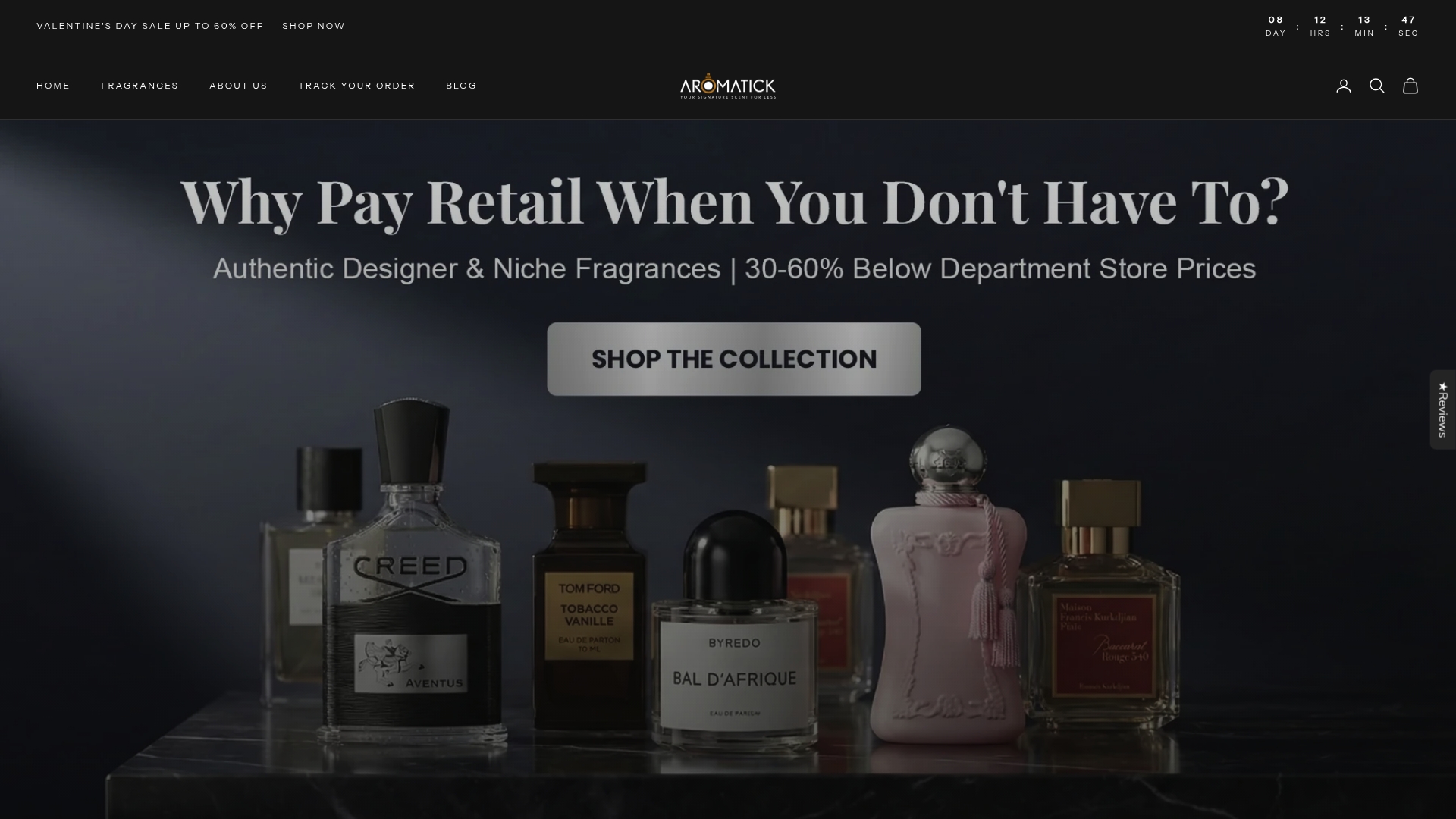
Aromatick carries a wide selection of authentic designer and niche fragrances at 30–60% off retail prices. Every bottle is genuine, sourced directly to cut out the department store markup that inflates what you pay without improving what you smell. Whether you are drawn to a classic designer house or want to explore the craftsmanship of niche collections, Aromatick gives you access to the real thing at a price that reflects the formula, not the advertising budget. Free shipping, secure payments, and a satisfaction guarantee mean you can shop with confidence and spend your budget where it counts: on the fragrance itself.
FAQ
Why do store brand fragrances smell different from designer ones?
Store brand fragrances use higher proportions of synthetic ingredients and simpler blending formulas, which produce less complex and shorter-lasting scent profiles than designer perfumes formulated with rarer natural materials and expert blending.
Does a higher price always mean better fragrance quality?
Not always. Price reflects ingredient cost, blending R&D, packaging, and marketing spend. Some designer fragrances use proprietary captive molecules that justify the cost; others price primarily on brand positioning rather than formula quality.
Why does my favorite perfume smell different than it used to?
Reformulation is the most common cause. IFRA safety regulations require perfumers to replace restricted or banned ingredients, which subtly alters the scent profile over time without reducing overall craftsmanship.
How can I tell if a fragrance has good ingredient quality?
Test it on skin and wait 30 minutes. A quality fragrance evolves through distinct top, heart, and base note phases. A flat or quickly fading scent typically signals a simpler, more synthetic formula with less ingredient depth.
Does storage affect how a fragrance smells?
Yes. Heat, UV light, and humidity all degrade aromatic molecules and shorten fragrance lifespan. Storing bottles in a cool, dark place preserves scent integrity and extends the life of any fragrance, regardless of price point.

Leave a comment
This site is protected by hCaptcha and the hCaptcha Privacy Policy and Terms of Service apply.