
5 Checks to Spot Real vs Fake Creed Aventus and a Verified Buying Path
No single test proves a bottle of Creed Aventus is genuine. The reliable method stacks five checks: seller history, price, packaging, batch/LOT codes, and how the juice actually smells on skin. Run the seller/receipt, batch-code, and price checks first; if two or more red flags show up, treat the bottle as likely counterfeit and move straight to the return steps later in this guide.
TL;DR:
- Check seller history, price consistency, batch codes, and packaging quality before purchase; two or more red flags suggest a fake.
- Authentic packaging feels heavy with sharp embossing and crisp printing; counterfeit boxes are thinner, with pixelated logos and sloppy seals.
- Genuine bottles are heavy glass with centered plaques and smooth, strong magnetized caps; lighter glass, crooked plaques, or wobbly caps indicate counterfeits.
- Verify that batch/LOT codes match on box and bottle and pass through a batch-check tool; mismatched codes raise suspicion but are not definitive alone.
- Authentic Aventus smells fresh pineapple with smoky dry-down; signs of artificial scent or off projection suggest a fake.
Table of Contents
- What Are the Real Vs Fake Creed Aventus Checks You Should Run First?
- Packaging and Box Printing: What Fakes Get Wrong
- How Do You Check the Bottle, Cap, and Plaque?
- Does the Batch or LOT Code Prove It’s Real?
- What Should Real Creed Aventus Actually Smell Like?
- Which Sellers and Prices Signal a Fake?
- What Should You Do If You Think You Bought a Fake?
- Why Buy From a Verified Seller Instead of Rolling the Dice?
- What Three Rules Should Guide Every Aventus Purchase?
- How Aromatick Removes the Guesswork From Buying Aventus
- Sources
What Are the Real Vs Fake Creed Aventus Checks You Should Run First?
Before you even open the box, seven checks separate a safe purchase from a costly mistake. Authenticity guides across the fragrance community converge on the same layered approach: no single detail is proof, but the combination rarely lies.
- Seller provenance: Does the seller have a documented receipt, sealed stock photos, and a real return history?
- Price sanity: Is the listing significantly below typical Aventus retail with no clear explanation (liquidation, closeout, expiring batch)?
- Batch/LOT codes: Are they present and identical on both box and bottle?
- Packaging quality: Sharp printing, correct embossing, and clean cellophane folds?
- Bottle hardware: Correct weight, a centered silver plaque, a magnetic cap that clicks?
- Scent development: Pineapple opening, smoky birch dry-down, reasonable longevity?
- When in doubt: Ask for close-up photos of the bottle’s underside, the inside of the lid, and the original receipt before you pay.
Pro Tip: Screenshot the listing and save every photo the seller sends before you complete checkout. If a dispute happens later, timestamped evidence is your strongest leverage.
Packaging and Box Printing: What Fakes Get Wrong
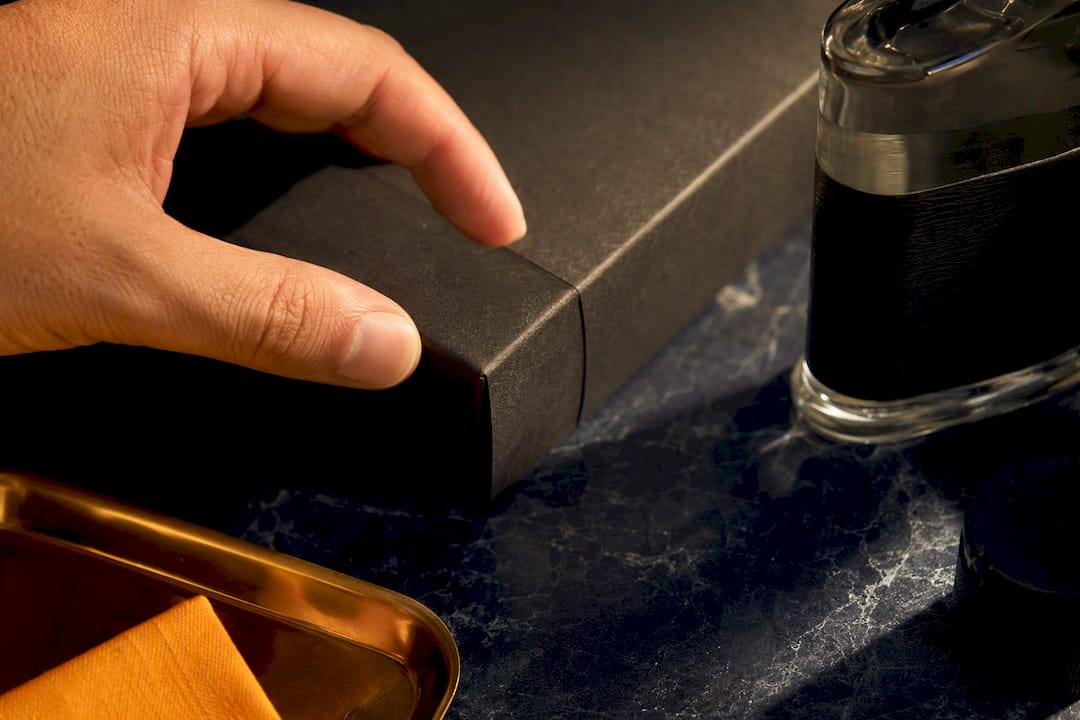
Pick up an authentic Creed box and it feels substantial. The paperboard is heavy and rigid, not flimsy or bendable at the corners. Counterfeit boxes often use thinner stock that flexes when you squeeze the sides gently, a detail your hands notice before your eyes do.
Print quality tells the rest of the story. Genuine Creed packaging shows dense, even black ink and a crisp logo with consistent font weight. Fakes frequently show pixelation, uneven ink saturation, or a font that looks slightly bolder or thinner than the real thing. Packaging cues like these are usually the earliest signal something is off.
Check these specific spots:
- Embossing on the front panel should feel sharp and deliberate, not shallow or smudged.
- Text printed inside the lid should be clean and legible, never blurry.
- Cellophane wrapping on authentic bottles has a specific seam placement and fold pattern; fakes often wrap loosely or seal the seam in the wrong spot.
- Barcodes can be copied precisely, so a scannable barcode alone tells you nothing about authenticity.
Packaging checks are fast and free, but they’re a filter, not a verdict. A convincing box can still hold a counterfeit bottle.
How Do You Check the Bottle, Cap, and Plaque?
Hold the bottle. Authentic Aventus glass is heavy, thick, and completely free of bubbles or seams you can feel with a fingernail. Counterfeit glass tends to feel noticeably lighter and thinner, almost like a drugstore cologne bottle dressed up.
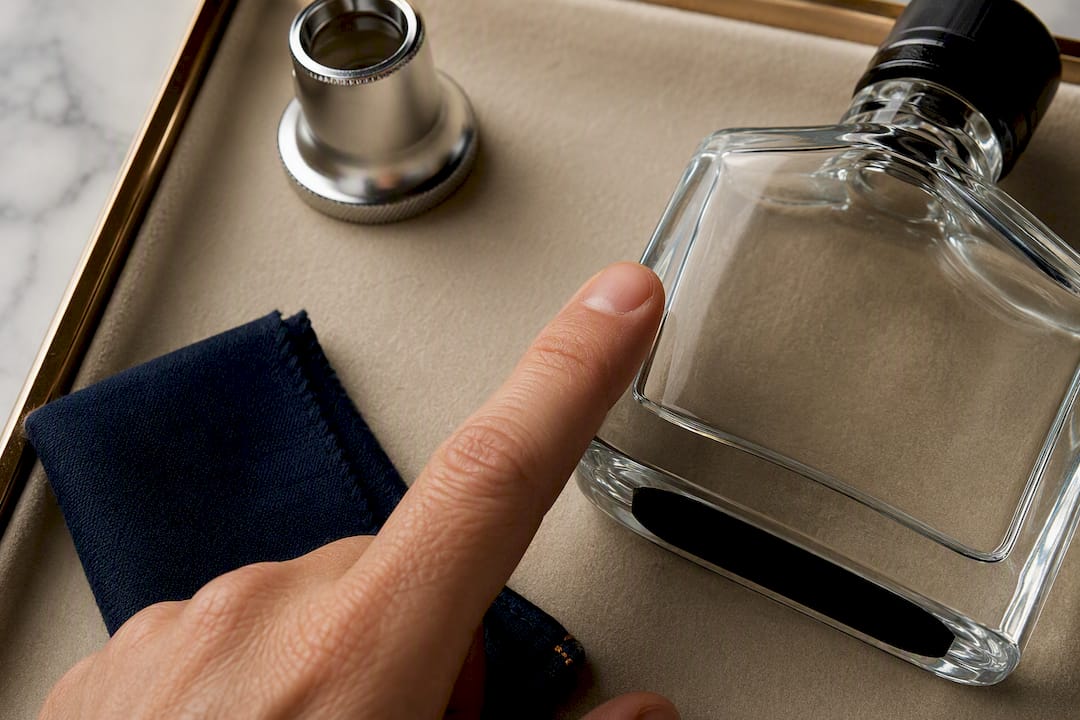
The silver plaque on the front is one of the most reliable hardware tells. On genuine bottles it sits perfectly centered, with crisp, deep engraving. Crooked placement, shallow engraving, or a plaque that looks glued on rather than fused into the glass is a clear warning sign.
The cap should snap onto the bottle with a strong, magnetic click and sit flush with no gaps. A cap that feels loose, wobbly, or requires force to seat properly usually points to counterfeit hardware. The sprayer matters too: authentic Aventus produces a smooth, even mist from the very first pump, while fakes often sputter, spray unevenly, or need several pumps before they work correctly.
- Weigh the bottle in your hand; light glass is a red flag.
- Inspect the plaque for centering, depth, and finish.
- Test the cap’s magnetic seal and fit.
- Check the first spray for consistency, not just scent.
- Look for bubbles, uneven seams, or sloppy glue lines anywhere on the assembly.
Pro Tip: If you can, test the sprayer over a tissue instead of your skin first. A weak or sputtering first pump on a “new” bottle is one of the fastest hardware tells there is.
Does the Batch or LOT Code Prove It’s Real?
Every authentic bottle carries a batch/LOT code, and it should appear in the same place on both the box and the bottle. Mismatched codes between box and bottle are one of the clearest signs of a repackaged or counterfeit unit.
Here’s how to actually verify one:
- Locate the code, usually a short alphanumeric string printed or etched near the barcode or bottom of the box and bottle.
- Confirm the code on the box matches the code on the bottle exactly.
- Run the code through a batch-check tool to estimate the production date, keeping in mind these tools read manufacturing conventions and cannot confirm the bottle’s contents.
- Treat a match as one supporting data point, not a final verdict.
The catch is important: counterfeiters sometimes copy valid, real batch codes onto fake packaging, so a “correct” code doesn’t rule out a fake. Codes work best combined with the packaging and hardware checks above, never in isolation.
Pro Tip: A batch code that checks out but arrives with sloppy printing or a loose cap is still a fake. Codes confirm a number exists in Creed’s system, not that the bottle in your hand is genuine.
What Should Real Creed Aventus Actually Smell Like?
Authentic Aventus opens with a bright, sparkling burst of pineapple and blackcurrant, sharp and fruity without smelling artificial or syrupy. Within the first hour it shifts toward birch, patchouli, and ambergris, settling into a smoky, woody dry-down that reads as sophisticated rather than sweet.
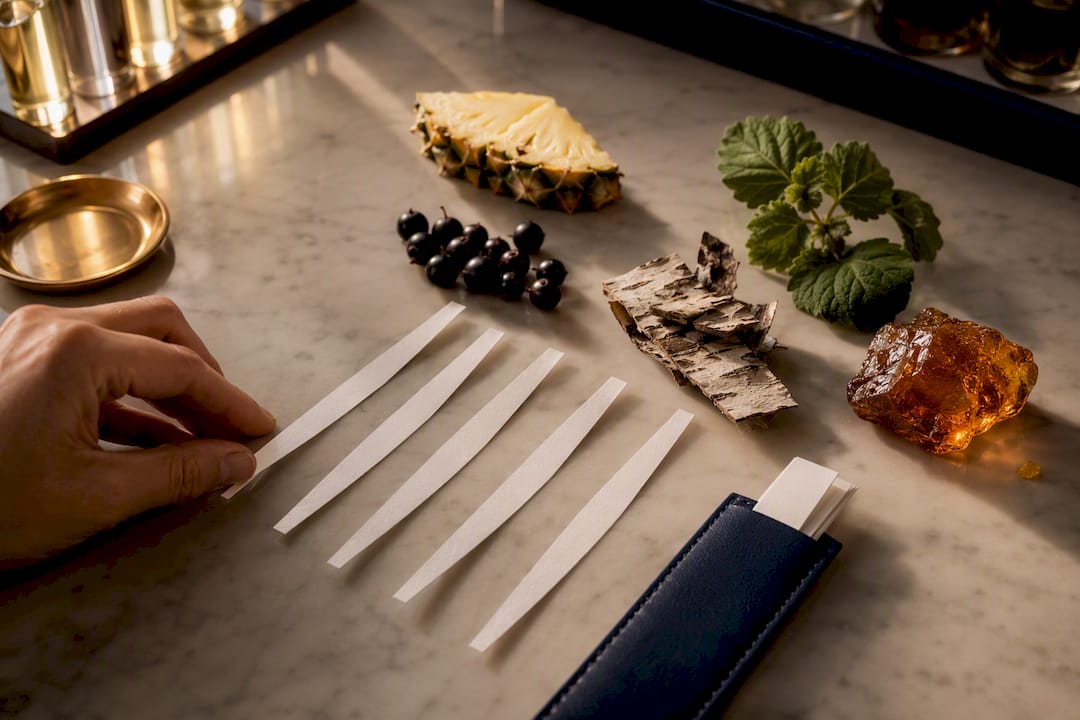
Test it properly: one spray on a blotter, one spray on skin, and check both at the 15-minute, one-hour, and four-hour marks. Real Aventus typically holds moderate to strong projection for several hours before settling into a warm base.
Counterfeit versions tend to announce themselves fast. Watch for:
- A harsh, rubbing-alcohol blast on application that doesn’t fade
- Pineapple that smells syrupy-sweet or like candy instead of crisp and juicy
- A dry-down that disappears within an hour or never develops real depth
- Overall projection that feels thin or “flat” compared to how Aventus is known to perform
Batch variation is real. Creed has adjusted its formula over the years, and different production runs can smell slightly different in the opening or dry-down. A subtle difference in sweetness is normal; a completely absent dry-down or an alcohol-forward blast that never resolves is not.
Which Sellers and Prices Signal a Fake?
Aventus holds its resale value better than most designer releases, so a price that looks too good is usually the fastest warning sign available. When a listing sits far below typical retail with no clear reason, like a closeout sale or an expiring promotion, assume risk first and ask questions second.
The safest channels are brand boutiques, authorized retailers, and sellers who provide sealed stock with a documented receipt trail. Anonymous resellers with no verifiable history carry the most risk, regardless of how professional their photos look.
Watch for these listing patterns:
- Only a handful of stock photos, none showing the bottle’s underside or the inside of the box
- A seller who refuses to provide additional photos when asked directly
- No stated return or refund policy anywhere in the listing
- Pressure tactics like “only one left” or countdown timers on a private sale
Government consumer guidance on shopping safely during high-volume sales periods echoes the same advice: preserve your order details and be extra cautious with deals that seem disconnected from a product’s normal market price.
What Should You Do If You Think You Bought a Fake?
Move fast and document everything before you contact anyone. Photograph the box, the bottle’s base, the batch code, and your receipt or order confirmation.
- Request a refund directly from the seller, attaching your photos as evidence of the discrepancy.
- If the seller refuses or goes silent, escalate through the marketplace’s dispute process or your payment provider’s buyer protection system.
- Report the suspected counterfeit to Creed directly and to the marketplace where you purchased it.
- Consider a chargeback only after marketplace escalation fails, and keep every piece of evidence until the dispute closes.
The FTC’s guidance on resolving purchase disputes outlines exactly how to escalate when a seller won’t cooperate.
Why Buy From a Verified Seller Instead of Rolling the Dice?
Aromatick is an e-commerce platform specializing in authentic designer and niche fragrances, offering luxury scents at up to 60% below traditional retail pricing. The site maintains an Authentic Creed Niche Fragrance Collection, so buyers aren’t relying on a stranger’s word alone.
That distinction matters because anonymous resellers rarely offer documented batch photos, sealed stock guarantees, or a clear return path if something looks wrong. A verified retailer removes the guesswork that this entire checklist exists to solve, replacing it with receipts, sealed inventory, and accountability if a bottle doesn’t match its listing.
What Three Rules Should Guide Every Aventus Purchase?
After walking through every failure point counterfeiters exploit, three rules stand out as non-negotiable: buy sealed stock only, confirm matching batch codes on box and bottle, and never buy from a seller without a stated return policy. Preowned or heavily discounted bottles can be fine if the seal is intact and the seller is transparent. A slightly different opening note between batches isn’t a red flag. A missing dry-down or a cap that won’t click is.
— Rodney
How Aromatick Removes the Guesswork From Buying Aventus
Every check in this guide exists to answer one question: can you trust the bottle before you buy it? Aromatick’s Authentic Creed Niche Fragrance Collection is built around sealed inventory, documented sourcing, and a satisfaction guarantee, so you’re not left guessing based on a stranger’s photos.
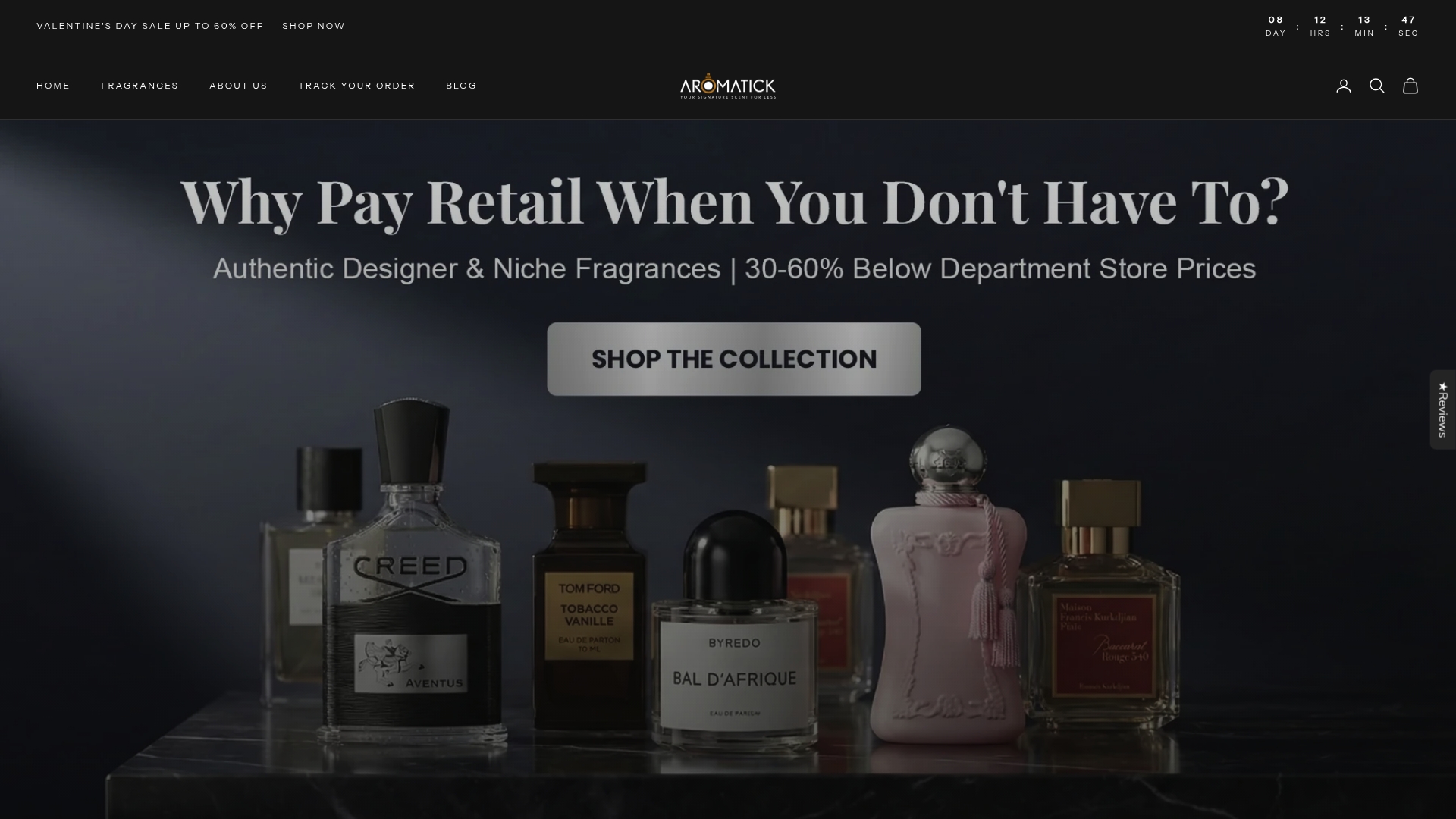
Before checkout, verify the listing yourself the same way you’d vet any private seller: confirm the stock is sealed, check that return terms are clearly stated, and request batch or box photos if anything looks unclear. That habit protects you everywhere you shop, not just on Aromatick. If you’re ready to skip the risk entirely, browse the Creed Aventus Eau de Parfum listing directly, check the stated return policy, and place your order with a documented, authenticated source backing it up.
Sources
For quick reference, run any suspicious batch code through a dedicated batch-check tool before contacting Creed’s own customer service line. Review the FTC’s return and refund guidance for your rights as a buyer, and check your marketplace’s own return and refund process before escalating a dispute further.
- Real vs Fake Creed Aventus: Authenticity Check
- How to Spot a Fake Creed Aventus — MySecretCart
- How to Spot Fake Creed Aventus (2026) & Where to Buy Authentic – Soundmali
- Solving problems with businesses: returns, refunds, and other resolutions — FTC

Leave a comment
This site is protected by hCaptcha and the hCaptcha Privacy Policy and Terms of Service apply.