
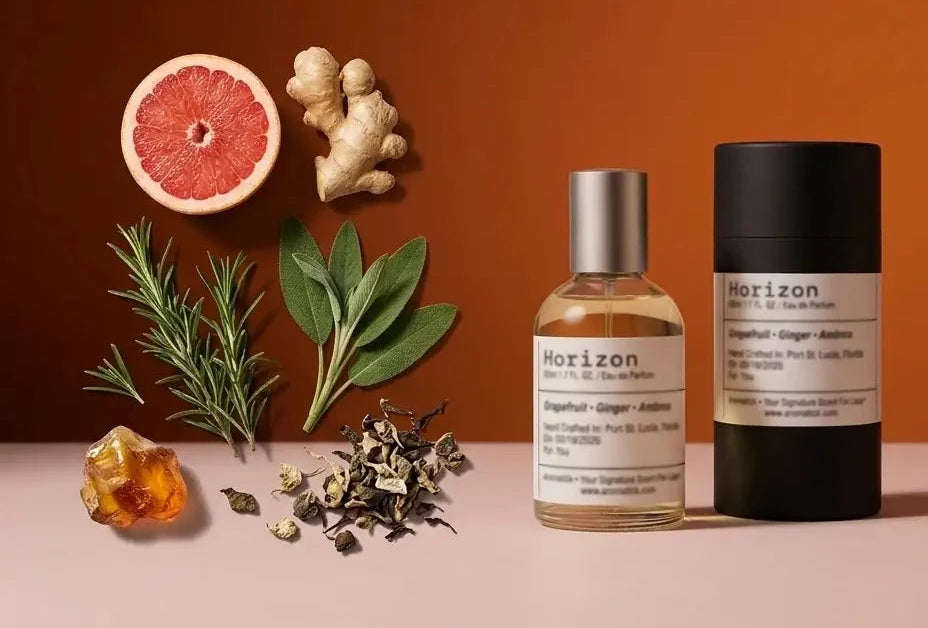
Tester perfumes: authentic scents at real savings
TL;DR:
- Testers are authentic fragrances produced by brands with identical formulas, concentration, and scent profiles as retail bottles. The main differences lie in packaging, presentation, and price, with testers offering significant savings of 20-50 percent. Buying from reputable sources ensures fragrance safety and legality, making testers a smart choice for fragrance enthusiasts seeking quality at reduced costs.
You spot a designer fragrance listed at nearly half the price of what you’d pay at a department store, and your first instinct is doubt. Is it a fake? A watered-down version? A clever scam dressed up in familiar packaging? That skepticism is completely reasonable, but here’s the surprising reality: tester perfumes are 100% authentic, produced by the same brands, in the same facilities, using the identical formula and scent profile as the bottles sitting behind the glass counter. The only real difference is the box they come in, and that distinction is exactly what makes them such a smart buy for fragrance lovers who want quality without the premium markup.
Table of Contents
- What are tester perfumes?
- Tester perfumes vs. retail: What’s the real difference?
- Why are tester perfumes less expensive?
- Are tester perfumes safe and legal to buy?
- Why tester perfumes are a smart buy—if you avoid these pitfalls
- Find authentic tester and niche perfumes at unbeatable prices
- Frequently asked questions
Key Takeaways
| Point | Details |
|---|---|
| Testers are authentic | Tester perfumes contain the same high-quality scent as regular bottles from the brand. |
| Major savings opportunity | Buying testers can save you 20-50% compared to retail packaging. |
| Packaging differs only | Tester bottles usually come in plain boxes and may lack caps or decorative touches. |
| Buy from trusted sources | Purchase testers only from reputable retailers to avoid counterfeit risks. |
What are tester perfumes?
Now that we’ve addressed the confusion, let’s clarify exactly what makes a tester perfume different from its retail counterpart.
A tester perfume is a bottle produced by a fragrance brand specifically for in-store display and customer sampling. Department stores and boutiques use them so shoppers can try a scent before committing to a full-price purchase. The key fact that surprises most people is this: testers are authentic fragrances with identical formulas, the same concentration, the same longevity, and the same scent profile as the retail version sitting right next to them on the shelf.
The misconceptions around testers are widespread and persistent. Many shoppers assume testers are diluted, reformulated, or somehow inferior. None of that is true. The juice inside the bottle is chemically identical to what you’d find in a full retail purchase. The differences are entirely cosmetic.
Here’s what typically sets a tester apart from a retail bottle:
- Packaging: Testers often come in plain white or brown cardboard boxes, or no box at all
- Cap: Many testers ship without a decorative cap, or with a simple plastic cap instead of the branded version
- Label: The bottle may be stamped or printed with the word “tester” or “not for individual sale”
- Presentation: There’s no booklet, no cellophane wrap, and no elaborate unboxing experience
“Tester perfumes are authentic fragrances produced by brands for in-store display and sampling, containing the identical formula, concentration, longevity, and scent profile as retail versions.” — custompackingco.com
Understanding why tester bottles are authentic comes down to one simple fact: brands have no reason to alter the formula. The entire purpose of a tester is to give customers an accurate representation of the scent. Changing the formula would defeat that purpose entirely. When you buy a tester, you’re buying the real thing, just without the decorative packaging that drives up the retail price.
Fragrance authenticity is a topic that matters deeply to serious fragrance buyers, and testers pass every test. The same perfumers created them. The same quality control processes apply. The same raw ingredients went into the bottle.
Tester perfumes vs. retail: What’s the real difference?
Understanding testers’ authenticity, it’s important to directly compare them with their regular retail counterparts.
The core takeaway is simple: the scent is the same. What changes is everything around the scent. Here’s a side-by-side look at how testers and retail bottles compare across the factors that matter most to buyers:
| Feature | Tester perfume | Retail perfume |
|---|---|---|
| Fragrance formula | Identical | Identical |
| Concentration | Same (EDP, EDT, etc.) | Same (EDP, EDT, etc.) |
| Longevity on skin | Same | Same |
| Bottle quality | Usually the same glass bottle | Same glass bottle |
| Decorative cap | Often absent or plain | Branded, decorative |
| Outer packaging | Plain or no box | Branded, printed box |
| Booklet or inserts | Not included | Usually included |
| Price | 20-50% less | Full retail price |
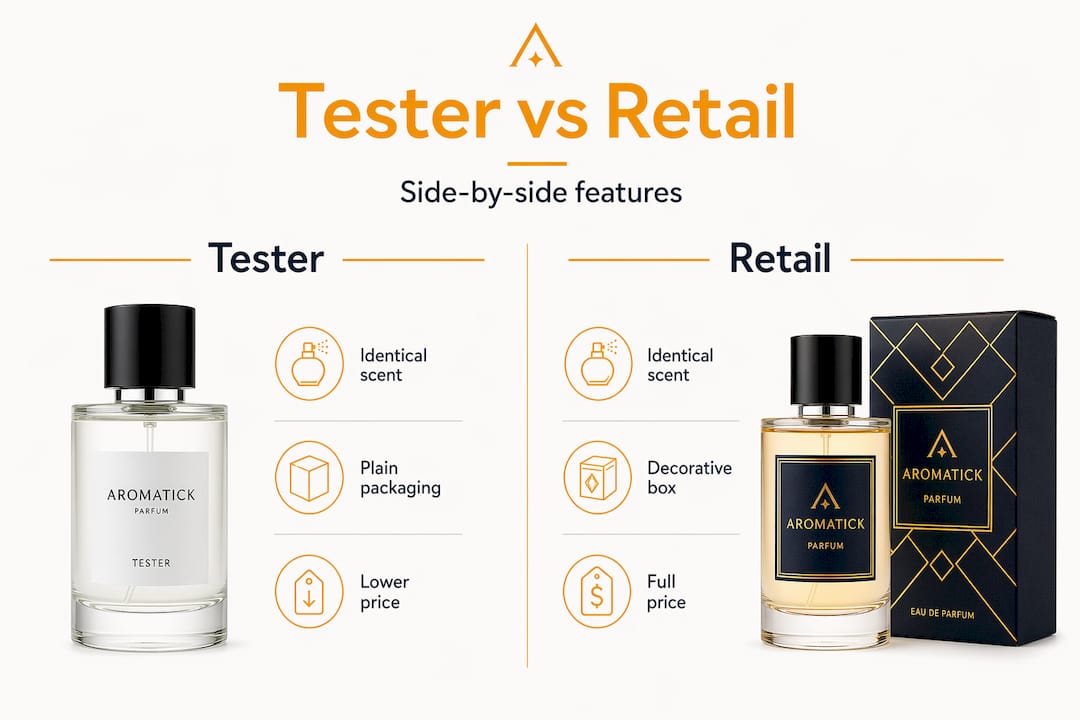
The savings are real and significant. Tester perfumes offer 20-50% discounts because brands and distributors don’t need to invest in the full retail presentation. The fragrance itself is the product; the packaging is the theater around it. When you strip away the theater, the price drops considerably.
Experts across the fragrance community consistently confirm a 30-50% typical discount range for tester versions compared to their retail equivalents. For a luxury fragrance that retails at $150, that translates to a savings of $45 to $75 on a single bottle. Over time, especially for enthusiasts who rotate through multiple fragrances, those savings add up to hundreds of dollars annually.
Key similarities between testers and retail perfumes:
- Same fragrance house and perfumer
- Same ingredient quality and sourcing
- Same production batch in most cases
- Same shelf life when stored correctly
- Same performance on skin, including projection and sillage
Key differences between testers and retail perfumes:
- Packaging presentation and aesthetic
- Presence or absence of a decorative cap
- Inclusion of marketing inserts or booklets
- Price point at point of sale
Understanding why testers are cheaper is straightforward once you recognize how much of a retail fragrance’s price is tied to presentation rather than the scent itself.
Pro Tip: If you’re buying a fragrance for personal daily use and don’t care about displaying a beautiful box on your vanity, always choose the tester version. You’ll get the exact same scent experience and keep more money in your pocket.
Why are tester perfumes less expensive?
The next question many perfume lovers ask is: why are testers so much more affordable than the boxed versions on the shelf?
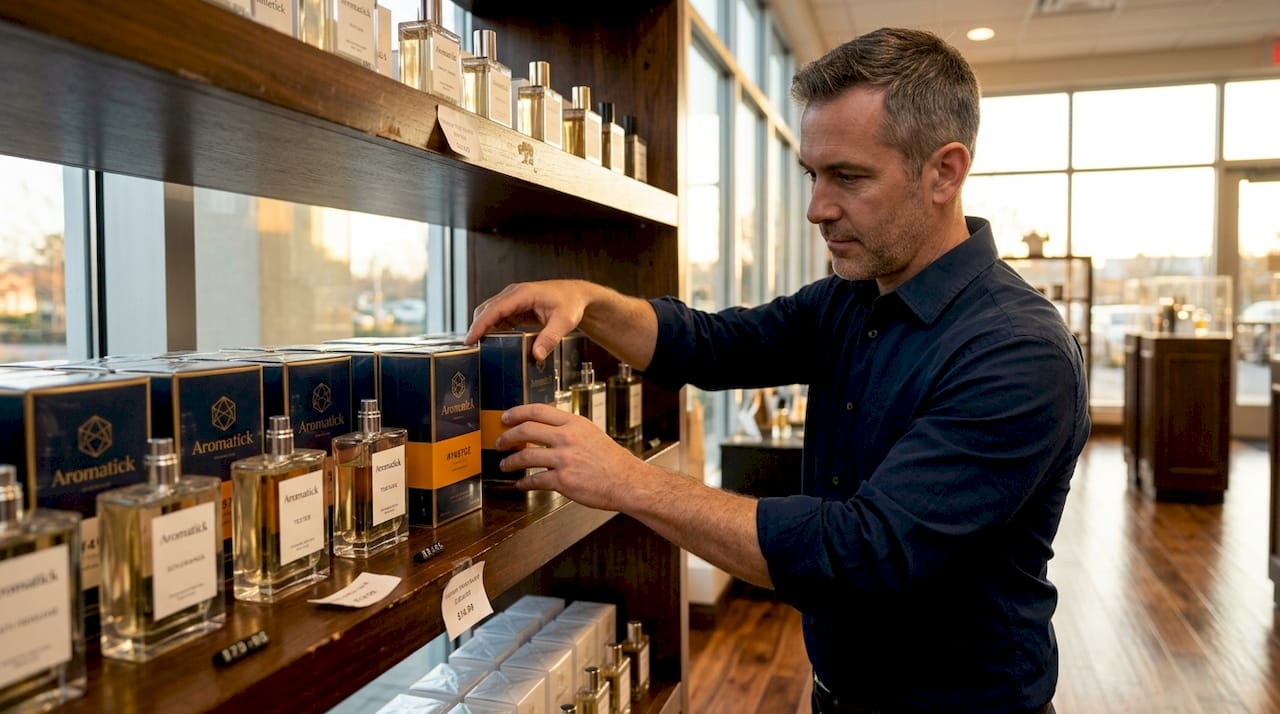
The answer comes down to the cost structure of luxury fragrance retail. When you buy a designer perfume at full price, you’re not just paying for the scent. You’re paying for the branded box, the embossed lettering, the decorative cap, the tissue paper, the marketing booklet, and the overall unboxing experience that brands invest heavily in creating. Strip all of that away, and the price naturally drops.
Here’s a breakdown of what drives the cost difference:
- Reduced packaging costs: Tester bottles skip the expensive outer box, branded inserts, and premium caps. These materials add significant cost to every retail unit produced.
- No retail display investment: Retail perfumes require elaborate counter displays, promotional materials, and trained sales staff. Testers bypass most of this overhead.
- Bulk distribution to retailers: Brands supply testers to department stores in bulk at reduced rates. When these bottles enter the secondary market, those savings pass to the consumer.
- No marketing premium: Full retail fragrances carry a portion of the brand’s advertising spend in their price. Tester bottles, never intended for individual retail sale, don’t carry that burden.
- Secondary market dynamics: Once testers leave department stores, they’re often sold through authorized distributors and specialty retailers who pass the cost savings directly to buyers.
The result is a product that delivers 20-50% savings for consumers without any compromise to the fragrance itself. Industry analysis confirms a 30-50% discount range is standard across the tester market for designer fragrances.
| Cost factor | Retail perfume | Tester perfume |
|---|---|---|
| Fragrance liquid | Included | Included |
| Branded outer box | Included | Not included |
| Decorative cap | Included | Often not included |
| Marketing inserts | Included | Not included |
| Advertising premium | Built into price | Minimal |
| Typical price range | Full MSRP | 20-50% below MSRP |
This cost structure is why you can save 40% with tester bottles without sacrificing a single note of the fragrance you love. It’s also why understanding why fragrance prices drop helps you shop with confidence rather than suspicion.
Pro Tip: Use the savings from tester purchases to expand your fragrance wardrobe. Instead of buying one full-price bottle, you could own two or three different testers for the same budget, giving you more variety for different seasons, moods, and occasions.
Are tester perfumes safe and legal to buy?
Given the value and growing popularity of tester perfumes, it’s essential to know how to buy them confidently and responsibly.
The short answer is yes, tester perfumes are safe to buy and own. But there are a few nuances worth understanding before you make a purchase.
The legal picture
Most tester bottles are stamped with language like “not for individual sale” or “not for resale.” This restriction is directed at retailers, not at end consumers. It’s a trade-level designation that brands use to manage how their products move through distribution channels. There are no known brand policies prohibiting consumers from purchasing or owning testers. Buyers are not prosecuted. The legal gray area exists at the retailer level, not at the consumer level.
“Primarily positive for value, but experts note a legal gray area around ‘not for resale’ labeling that increases scam potential; no brand policies have been found prohibiting consumer sales.” — beautyindependent.com
The real risk: counterfeits
The bigger concern for buyers isn’t legal, it’s authenticity. Because testers are associated with discounts, some bad actors use the “tester” label as cover for selling counterfeit fragrances. A fake tester can look convincing at first glance, especially online. Here’s what to watch for:
- Prices that seem too good to be true, even for a tester (more than 60-70% below retail should raise questions)
- Sellers with no verifiable history, reviews, or return policy
- Inconsistent batch codes or mismatched bottle fonts
- Unusual scent performance, such as extremely poor longevity or an off-putting chemical smell
Knowing how to spot counterfeits is a skill every fragrance buyer should develop. The importance of authenticity can’t be overstated, because a counterfeit fragrance doesn’t just smell wrong; it may contain unregulated ingredients that irritate skin or cause allergic reactions.
Actionable tips for buying testers safely:
- Buy from established retailers with transparent sourcing and clear return policies
- Look for sellers who specialize in fragrances rather than general marketplace sellers
- Check for batch codes on the bottle and cross-reference them with online databases
- Read seller reviews carefully, paying attention to comments about authenticity and packaging condition
- Use authentic scent spotting tips to verify your purchase after it arrives
The tester market is largely safe and legitimate when you shop with the right sellers. The key is knowing where to look and what to avoid.
Why tester perfumes are a smart buy—if you avoid these pitfalls
Here’s an honest perspective from years of experience in the fragrance space: tester perfumes have genuinely changed how fragrance enthusiasts build their collections. The ability to own a bottle of a $200 designer perfume for $110 or less, with zero compromise to the scent, is a real and meaningful advantage. Many serious collectors rotate between a dozen or more fragrances seasonally, and without testers, that kind of variety would be financially out of reach for most people.
But the experience also comes with lessons learned the hard way. The most important one is this: the “not for resale” label is not a consumer threat, it’s a trade restriction. As industry analysis confirms, no fragrance brand has established policies targeting individual buyers who purchase testers. The label exists to manage distributor behavior, not to intimidate consumers. Understanding this removes unnecessary anxiety from the buying process.
The real pitfall isn’t legal. It’s trust. The tester category attracts some unscrupulous sellers who exploit the discount expectation to move counterfeits. The solution is straightforward: only buy from retailers who make authenticity their core promise, who are transparent about sourcing, and who stand behind their products with clear guarantees. A reputable seller will always be able to answer questions about where their inventory comes from.
The true value of testers isn’t just financial. It’s the freedom to explore more fragrances, take risks on new scents without the guilt of a full-price gamble, and build a wardrobe that genuinely reflects your taste across seasons and occasions. Testers make that possible. The key is pairing that value with the discipline to buy only from sellers you trust.
Find authentic tester and niche perfumes at unbeatable prices
If you’re ready to put these insights into action and save on your favorite scents, here’s where to start.
Aromatick offers a curated selection of authentic designer and niche fragrances, including tester versions from leading houses, all sourced and verified for genuine quality. With discounts of up to 60% off retail prices, you can explore more of the fragrances you love without stretching your budget.
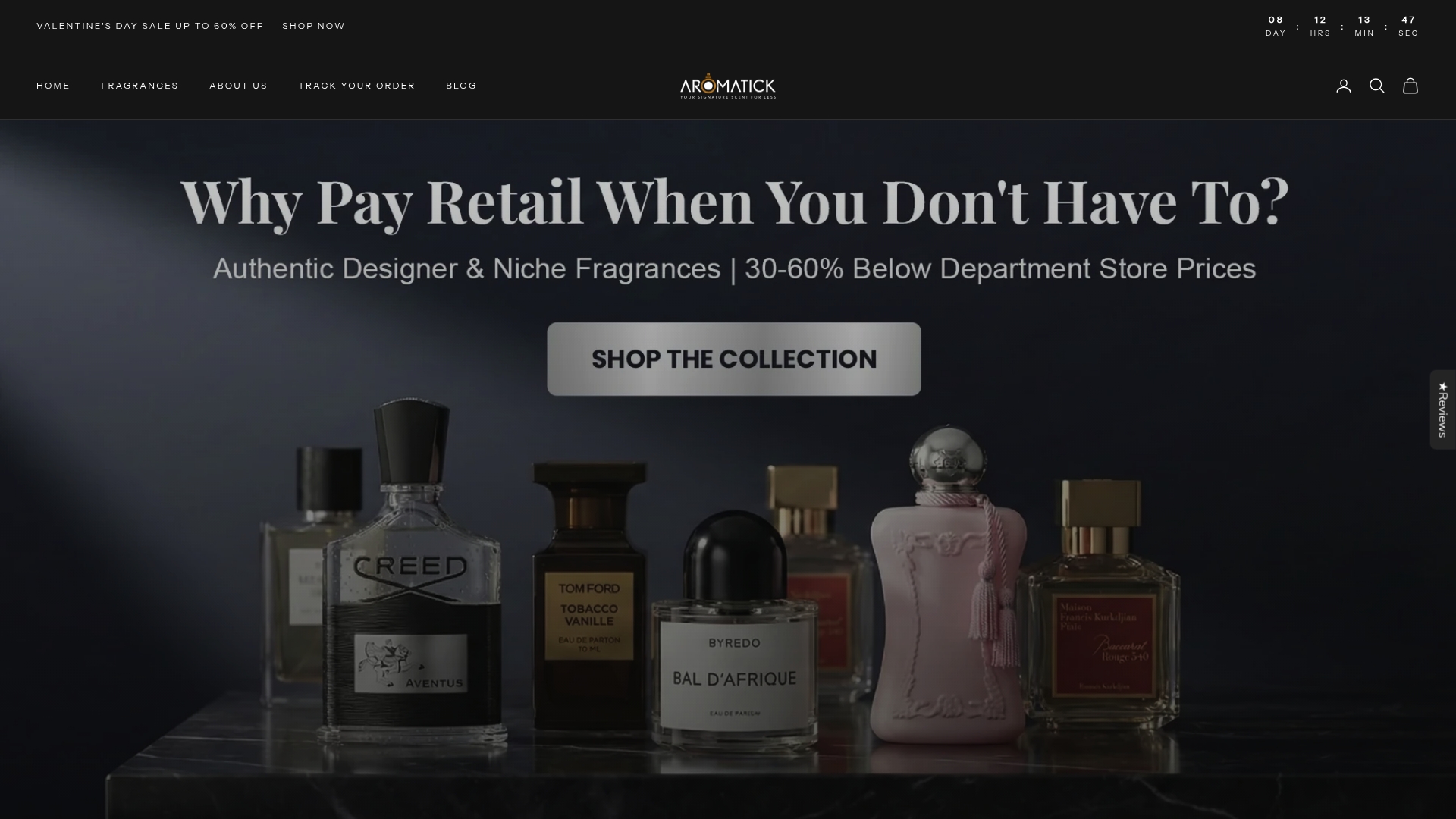
Browse the designer fragrance deals to find iconic scents at prices that make building a real collection realistic. If you’re drawn to the world of artisan and independent perfumery, the niche perfume collection features carefully selected bottles from some of the most respected houses in the industry. And for those shopping specifically for feminine fragrances, the women’s perfume offers bring together a wide range of styles, from fresh florals to deep orientals, all at genuine savings. Every purchase comes with free shipping, secure payment, and a satisfaction guarantee.
Frequently asked questions
Are tester perfumes really authentic?
Yes, tester perfumes use the same formula and quality as their retail counterparts; the only difference is packaging. As confirmed by industry sources, they contain the identical formula and scent profile as full retail versions.
Why do tester perfumes cost so much less?
Tester perfumes are less expensive because they skip the branded box, decorative cap, and marketing inserts that drive up retail prices, making them 20-50% cheaper with no change to the fragrance itself.
Is it legal to buy and own tester perfumes?
It’s legal for consumers to purchase and own testers; the “not for resale” label is a trade-level restriction aimed at retailers, and no brand policies prohibit individual consumers from buying them.
Can tester perfumes be fakes or dangerous?
Testers from reputable sellers are safe and genuine, but the discount association does attract some counterfeit sellers. Always verify authenticity through batch codes and trusted retailers, as scam potential increases when buying from unverified sources.

Leave a comment
This site is protected by hCaptcha and the hCaptcha Privacy Policy and Terms of Service apply.