
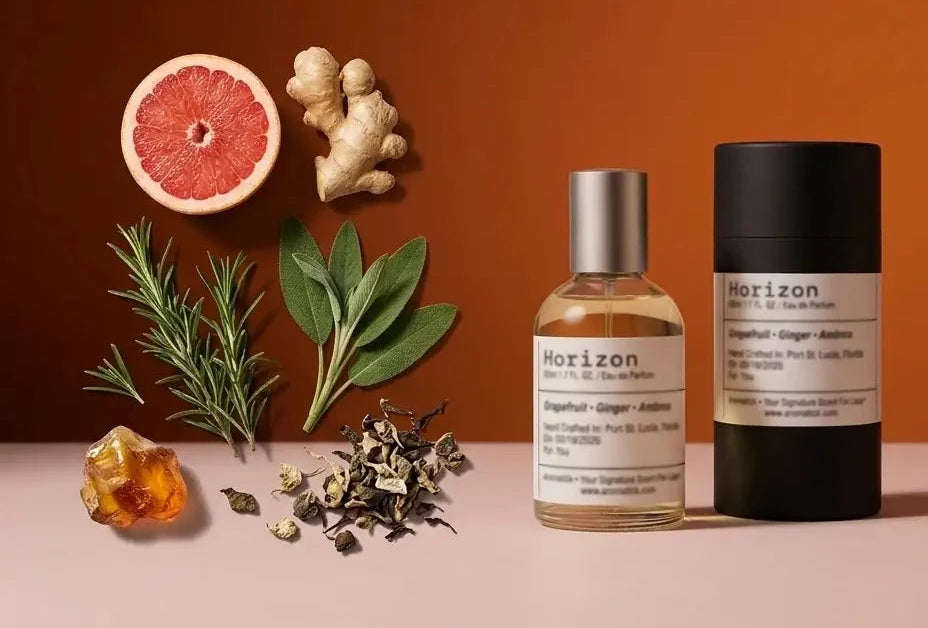

Tester vs Retail Perfume: What Buyers Need to Know
Genuine tester perfumes contain the exact same fragrance liquid as their retail counterparts. The formula, the concentration, the batch of oils blended in the lab, none of it changes when a bottle gets marked “tester” instead of shrink-wrapped for a department store shelf. What changes is the packaging, the price, and, if you’re not careful about where you buy, the risk of ending up with a counterfeit.
That’s the whole trade-off in one sentence: presentation versus price. Retail bottles come dressed for the occasion, cellophane-sealed, boxed, capped, ready to hand someone at a birthday party. Testers skip the wardrobe and pass the savings to you.
Here’s a three-line rule to sort yourself into the right camp:
- Buying for yourself, care about the scent, not the shelf appeal? A tester is one of the smartest purchases in fragrance.
- Buying a gift, or you want the full unboxing moment? Pay for retail. Presentation matters when someone else is opening the box.
- Buying either one from an unfamiliar seller? Authenticity risk is the real variable, not the “tester” label itself. Verify before you buy.
Community resources like Fragrantica have long confirmed that tester bottles don’t carry a stronger or weaker formulation, and retailers like Aromatick build their entire discount model around that fact: same juice, lower overhead, honest pricing.
Key Takeaways
Authentic tester perfumes contain the identical fragrance formula as retail bottles, and the price gap comes almost entirely from stripped packaging rather than any difference in quality.
| Point | Details |
|---|---|
| Scent parity confirmed | Testers use the same production line and concentration as retail bottles; the liquid never changes. |
| Packaging drives the discount | Removed cellophane, decorative caps, and branded boxes account for most of the 20 to 40 percent price gap. |
| Batch codes are your best defense | Compare the code on the bottle base against official images or trusted community databases before buying. |
| Gift or display purchases need retail | Testers lack the cap and box presentation that make a bottle feel like a proper gift. |
| Aromatick discloses tester status upfront | Aromatick lists tester and retail bottles side by side with clear condition disclosure, a satisfaction guarantee, and free shipping over its order threshold. |
Table of Contents
- Tester vs Retail Perfume: What Actually Separates Them
- Why Testers Cost Less Than Retail Bottles
- Is the Scent the Same in a Tester Bottle?
- Weighing the Pros and Cons Before You Buy
- How to Verify a Tester’s Authenticity Before You Buy
- Where to Buy Testers Safely
- A One-Minute Decision Flow
- Are There Legal Restrictions on Reselling Testers?
- Bottle Design and Cap Differences You’ll Actually Notice
- The Real Risks of Secondhand and Gray-Market Testers
- Aromatick’s Perspective: Why We Sell Testers and Discounted Bottles
- Aromatick Makes the Tester Decision Easier
- Frequently Asked Questions
- Sources
Tester vs Retail Perfume: What Actually Separates Them
A tester perfume is a bottle manufactured for in-store demonstration. Its entire job is to sit on a counter at Sephora or a department store fragrance bar so shoppers can spray it before committing to a full-price bottle. A retail perfume is the finished consumer product, packaged to be purchased, gifted, and displayed.
That distinction is about function, not formula. Perfume houses don’t run a separate, cheaper production batch for testers. They pull from the same fill line and simply route a portion of it into simplified packaging meant for commercial display rather than a customer’s bathroom counter, a point WhatScent’s breakdown of tester and retail bottles lays out clearly.
Here’s what to look for when you’re trying to identify which one you’re looking at, whether in person or in an online listing photo:
- Plain outer box, if there’s a box at all, usually white or unbranded cardboard instead of the glossy, brand-printed retail carton.
- “Tester” or “Demonstration” stamped somewhere on the box or bottle base, sometimes alongside a small “not for individual sale” disclaimer.
- No cellophane wrap, since testers never needed the tamper-evident retail shrink film in the first place.
- Missing or plain cap, the decorative cap retail bottles use for shelf display is frequently absent, replaced with a basic clear or black cap.
- Identical bottle shape and glass, the actual bottle is molded from the same tooling used for retail, so the silhouette matches exactly.
Why Testers Cost Less Than Retail Bottles
The discount comes almost entirely from what’s stripped away, not from what’s inside. Brands spend real money on the outer box printing, the cellophane sealing line, the decorative cap assembly, and the in-store display marketing that retail bottles are designed to support. None of that applies to a bottle destined for a countertop tester stand, so the manufacturing cost per unit drops.

Distribution plays a role too. Testers often exist as surplus stock once a counter display cycle ends, and that inventory flows into gray-market and discount channels rather than getting destroyed. Fragrance Affection’s comparison of tester and regular perfume notes that many discounters price testers 20 to 40 percent below the boxed version of the same fragrance, a gap driven almost entirely by packaging and inventory economics rather than any difference in the liquid itself. Aromatick’s own breakdown of tester perfumes and real savings walks through the same math for shoppers comparing listings side by side.

There’s also a simpler reason discounters carry testers at all: collectors and value-focused buyers actively seek them out to build out a collection without paying full retail on every bottle, which keeps demand steady and pricing consistent across reputable sellers.
Pro Tip: A tester priced 20 to 40 percent under retail on a well-known fragrance is a normal, healthy discount. If you see a tester of a $150 bottle listed for $25, that’s not a deal, that’s a red flag. Counterfeiters and refill scammers use the word “tester” specifically because it lets them explain away cheap, generic packaging.
Is the Scent the Same in a Tester Bottle?
Yes. An authentic tester is filled with the identical formulation and concentration as its retail twin, whether that’s eau de parfum or eau de toilette. There is no “tester-strength” version of a fragrance. If a bottle is genuine, what’s inside the glass never changes based on the box it ships in.
So why do some buyers swear their tester smells weaker, or stronger, or just different? A few explainable factors are usually at play, according to Fragrantica’s analysis of tester bottle strength:
- Olfactory fatigue. Your nose adapts quickly to a scent it’s already smelled a dozen times that day, especially at a busy fragrance counter.
- First-spray effect. The initial spray from any bottle, tester or retail, often reads differently than the second or third as the sprayer primes and alcohol notes settle.
- Batch variation. Natural ingredients shift slightly from batch to batch, a normal reality across the entire perfume industry, not something exclusive to testers.
- Storage history. A tester that’s sat open on a brightly lit store counter for months has had more light and air exposure than a sealed retail bottle, which can subtly affect the top notes.
If you want to compare a suspected tester against a known-authentic bottle, check the batch code stamped on the bottle base against the box (if there is one), confirm the concentration printing matches word-for-word, and test the sprayer mechanism for a clean, consistent mist rather than a weak dribble or uneven spray pattern.
Pro Tip: Testers often arrive without their decorative cap, which means more air exposure over time. Keep the bottle upright in a cool, dark drawer rather than a sunny windowsill, and consider capping it with a spare cap from an emptied retail bottle if you plan to keep it for an extended period.
Weighing the Pros and Cons Before You Buy
The case for testers is straightforward: you get the same scent for meaningfully less money, which matters if you’re the kind of buyer who rotates through fragrances seasonally or wants to build out a real collection without draining your budget on packaging you’ll throw away anyway. Less packaging waste is a genuine side benefit too, if that matters to you.
The case against them centers on everything packaging touches. No decorative cap and no branded box means a tester doesn’t photograph well on a vanity and definitely doesn’t work as a gift. Resale value takes a hit too. If you ever want to sell or trade a bottle, collectors and secondhand buyers consistently pay less for testers than for boxed retail, cap or no cap. Return policies can also differ, some retailers treat testers as final-sale items given their lower price point, so read the fine print before checkout.
Think about who you actually are as a buyer. A fragrance enthusiast who owns 40 bottles and rotates through them by mood is the ideal tester customer, presentation stopped mattering to them a long time ago. Someone shopping for a Mother’s Day gift, or someone who only owns two or three signature scents and wants them to look intentional on a shelf, should spend the extra money on retail packaging.
How to Verify a Tester’s Authenticity Before You Buy
This is the step most buyers skip, and it’s the one that actually protects your money. Unscrupulous sellers know that plain packaging gives them cover, so a bottle labeled “tester” can sometimes be a refill or an outright counterfeit wearing that label as an excuse. Here’s how to check before you commit:
- Inspect the batch code. Nearly every authentic bottle, tester or retail, carries a batch code etched or printed on the base or back of the bottle. Fragrance Affection confirms these codes typically match across tester and retail lines for the same production run, which means you can compare a code against official brand documentation or trusted community databases.
- Compare listing photos to official product images. Look at the sprayer nozzle shape, the bottle cap threading, and the font used for any printed text. Small inconsistencies are the first sign of a refill or fake.
- Check the seller’s track record. Established discounters with years of reviews and transparent return policies carry far less risk than a marketplace listing from an account with no history.
- Ask directly about the return policy before paying. A legitimate seller will spell out exactly what happens if the bottle arrives damaged, mislabeled, or suspicious.
- Request or review a receipt trail if buying secondhand. A seller who can’t explain where the bottle came from is a seller you should walk away from.
Fragrance communities remain one of the best free resources for this kind of legwork. Fragrantica’s own reporting on tester authenticity and forums built around specific brands often have threads dedicated entirely to identifying known counterfeit batch code patterns for popular releases.
- Odd smell shift within a few hours of opening, especially if it turns sharp or medicinal
- A spray mechanism that dribbles instead of misting cleanly
- Typos or blurry printing anywhere on the box or bottle
- A price that undercuts every other listing by more than the typical 20 to 40 percent tester discount
Pro Tip: If a seller refuses to send a close-up photo of the batch code before you buy, treat that as your answer. Legitimate discounters have nothing to hide and will usually send one without hesitation.
Where to Buy Testers Safely
Not every discounter deserves your trust, but plenty do, and the pattern that separates the safe ones is consistent: clear disclosure, batch-code transparency, and a return policy that doesn’t disappear the moment you click “buy.” BestFragrancePrices notes that established discounters typically list testers right alongside boxed inventory, with the same payment protections applied to both.
Look for a listing that explicitly states whether the item is a tester, whether the cap is included, and what the return window looks like. A seller who buries that information, or avoids it entirely, is asking you to take on risk they should be disclosing upfront.
Aromatick sells both testers and boxed retail bottles side by side, and the reasoning is simple: some buyers want the scent at the best possible price, others want the full retail presentation, and both deserve an honest option. Every bottle Aromatick ships comes with a satisfaction guarantee and free shipping over a set order threshold, which matters most for exactly the scenario this article is about, buying sight-unseen and needing a safety net if something feels off on arrival. If you’re weighing tester and retail options for a specific brand, the designer fragrance collection shows both side by side with pricing that reflects the packaging difference honestly.
A few habits protect you regardless of where you buy. Pay with a card or payment method that offers buyer protection rather than a direct bank transfer. Keep your receipt and order confirmation until you’ve tested the bottle. Open and spray the fragrance within a few days of delivery rather than letting it sit unopened for weeks, so you still have recourse if something’s wrong.
A One-Minute Decision Flow
Run through these four questions in order, and you’ll land on the right purchase without overthinking it.
- Is this a gift? If yes, buy retail. Presentation is part of the gift.
- Do I care about how the bottle looks on display? If yes, buy retail. If you genuinely don’t care, move to the next question.
- Is price my top priority? If yes, a tester is very likely your best option, provided you can verify the seller.
- Can I verify the seller’s reputation and get a clear batch-code photo? If yes, buy the tester with confidence. If no, either keep researching that specific seller or default to retail from a source you already trust.
If you land on “buy the tester,” remember the storage habits from earlier: keep it capped when possible, store it away from direct sunlight, and don’t leave it uncapped for extended stretches. A tester without its original cap loses juice to evaporation faster than a sealed retail bottle, so a little care extends its life meaningfully.
Are There Legal Restrictions on Reselling Testers?
Testers are manufactured and labeled by the brand for in-store demonstration purposes, and some brand agreements with retail counters technically restrict testers from individual resale, which is why you’ll occasionally see “not for individual sale” printed directly on the box or base. In practice, this labeling reflects the brand’s original distribution intent rather than a law that governs consumer purchases.
For everyday buyers, this distinction rarely creates a real legal issue. You are not breaking a law by purchasing a tester from a discounter, and reputable sellers who deal in surplus and gray-market tester stock are operating within normal secondary-market commerce, similar to how open-box electronics or overstock retail goods get resold. The practical takeaway isn’t a legal warning, it’s a transparency expectation: a seller who’s upfront that you’re buying a tester, understands its origin, and offers a fair return policy is operating in good faith. One who hides the “tester” status or pretends it’s boxed retail is the actual problem, not the tester designation itself.
Bottle Design and Cap Differences You’ll Actually Notice
The glass itself, the actual bottle mold, is identical between tester and retail versions of the same fragrance. What differs sits entirely in the finishing touches, and those touches affect daily use more than most buyers expect going in.
Retail bottles ship with a decorative cap, often weighted, sometimes matching the brand’s signature design language, like the faceted cap on a classic Chanel bottle or the ribbed cap on certain Tom Ford releases. That cap does more than look good, it seals the bottle against light and air exposure between uses. Testers frequently arrive with a plain clear or black cap, or occasionally no cap at all if the counter display never needed one.

The practical impact is evaporation and light exposure over the long haul, not scent quality on day one. A capless or loosely capped bottle sitting on a sunny shelf for a year will fade faster than a properly sealed retail bottle. If you buy a tester and plan to make it last, treat the capping situation as a genuine maintenance issue, not a cosmetic footnote.
The Real Risks of Secondhand and Gray-Market Testers
Buying a tester from an established discounter with disclosed policies is a different transaction entirely from buying one secondhand off a peer-to-peer marketplace or an unfamiliar auction listing. The formula-parity guarantee that makes testers a smart buy in the first place depends entirely on the bottle being genuine, and secondhand sellers offer none of the institutional accountability that a real retailer does.
The most common risk is a refill scam: an empty authentic bottle refilled with a cheap knockoff liquid and resold as a “tester” specifically because the plain packaging makes the substitution harder to spot visually. There’s also simple mishandling risk, a bottle that’s changed hands two or three times with no climate-controlled storage in between may have degraded even if it started out completely genuine. And secondhand sellers rarely offer any return protection at all, so if something’s wrong, you’re typically out the money with no recourse.
If you’re going to buy secondhand, batch-code verification stops being optional and becomes essential, and you should factor the total absence of a return policy into your price expectations. A secondhand tester should cost meaningfully less than one from a vetted discounter precisely because you’re absorbing all of that risk yourself.
Aromatick’s Perspective: Why We Sell Testers and Discounted Bottles
We built our sourcing around a simple idea: the fragrance industry marks up packaging and presentation far more aggressively than it marks up the actual liquid, and buyers deserve to choose which one they’re paying for. Every tester and discounted bottle we carry goes through the same authenticity verification before it reaches a customer, batch codes checked, seller chains traced, packaging inspected against official reference images.
Transparency is the whole model, not a marketing line. We disclose exactly what condition a bottle arrives in, whether the cap is included, and we back every order with a satisfaction guarantee and free shipping over our order threshold, because sight-unseen fragrance purchases only work when the buyer has a real safety net. Our guide on spotting fake perfumes walks through the exact checks our own sourcing team applies before a bottle ever gets listed, and our piece on tester bottles and 40 percent savings breaks down the math behind pricing you’ll see across our tester inventory.
We’d rather earn trust through disclosure than through a slicker box.
Aromatick Makes the Tester Decision Easier
If price is your priority and presentation isn’t, Aromatick’s designer fragrance collection and Fragrance World collection carry authentic bottles at 30 to 60 percent off standard retail, with the same satisfaction guarantee and free shipping threshold on every order, tester or boxed.
Every listing discloses exactly what you’re getting, tester or retail, cap included or not, so you’re never guessing at checkout the way you might on an unfamiliar marketplace. If you’re chasing a specific niche fragrance rather than a mainstream designer name, the niche fragrance collection applies the same sourcing standard to smaller, harder-to-find houses. And if you’re new to a fragrance and want to confirm you love it before committing to a full bottle either way, Aromatick’s guide to trying perfume samples is worth a look before you commit to a full-size purchase. Browse the collection that matches your priority, tester pricing or full retail presentation, and check out with the confidence that comes from a seller who tells you exactly what’s in the box before you pay.
Frequently Asked Questions
Is a tester perfume the same as a regular perfume? Yes. Genuine testers contain the same formula and concentration as retail bottles. The difference is packaging, not the liquid inside.
Why is tester perfume so much cheaper than retail? Testers skip the cellophane wrap, decorative cap, and branded box that retail bottles are built around, and much of that stock comes from surplus counter displays sold at a discount. That combination typically produces a 20 to 40 percent price drop.
Are tester perfumes legitimate to buy? Authentic testers from reputable sellers are completely legitimate. The risk isn’t the tester label itself, it’s buying from an unverified seller who might mislabel a counterfeit or refilled bottle as a tester to explain the plain packaging.
How can I tell if a tester perfume is real? Check the batch code on the bottle base against official reference images or community databases, confirm the sprayer produces a clean mist, and buy only from sellers with a transparent return policy and established track record.
Does a tester perfume come with a cap? Often not, or it arrives with a plain cap instead of the brand’s decorative one. That mainly affects long-term storage and evaporation, not the scent quality on day one.
Is it worth buying a tester instead of retail? If price matters more to you than gift-ready presentation, yes. If you’re buying a gift or want the full unboxing experience, retail is worth the extra cost.
Sources
- Tester vs Retail Perfume Bottles: Differences & Risks | WhatScent
- Difference Between Tester Perfume vs Regular Perfume | Fragrance Affection
- Fragrance Testers: What They Are & Why They Cost Less | BestFragrancePrices
- Do Tester Bottles Contain Stronger/Longer-Lasting Scent? | Fragrantica

Leave a comment
This site is protected by hCaptcha and the hCaptcha Privacy Policy and Terms of Service apply.