
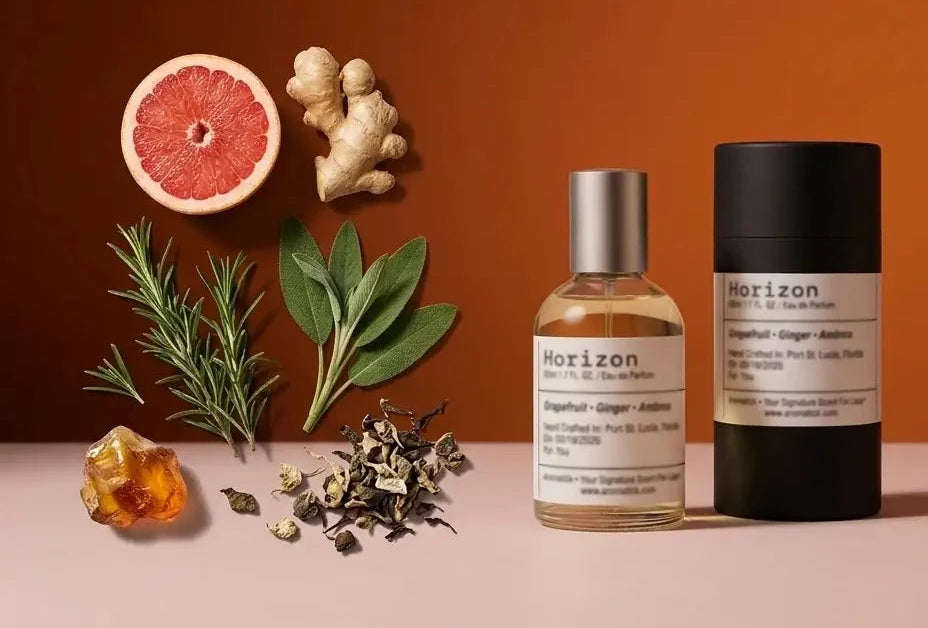
What Is Perfume Reformulation and Why It Matters
TL;DR:
- Perfume reformulation, driven by regulations, ingredient scarcity, and creative updates, alters fragrance formulas over time. Consumers can notice changes in scent profile, longevity, and projection, especially when natural ingredients are replaced with synthetics. Transparent communication and careful testing help preserve the essence of beloved fragrances amid industry shifts.
If you’ve opened a bottle of your favorite fragrance and thought, “This doesn’t smell the same anymore,” you’re not imagining things. Perfume reformulation, known formally in the industry as fragrance recomposition, is the deliberate process of changing a perfume’s formula while keeping it on the market under the same name. It happens more often than most people realize, and reformulations are driven by a mix of regulatory compliance, ingredient availability, cost management, and even creative shifts. Understanding why and how it happens helps you make smarter purchasing decisions.
Key takeaways
| Point | Details |
|---|---|
| Reformulation is intentional | Brands change formulas deliberately for regulatory, economic, and creative reasons, not by accident. |
| Regulations are a primary driver | IFRA standards and EU allergen rules push brands to restrict or replace specific fragrance ingredients. |
| Scent and longevity can shift | Ingredient substitutions often alter projection, drydown, and how a fragrance interacts with skin chemistry. |
| Consumers can spot the changes | Batch codes, packaging details, and side-by-side comparisons help identify when a formula has changed. |
| Transparency is improving | Slow perfumery and consumer demand are pushing more brands toward open communication about formula changes. |
What is perfume reformulation and what drives it?
Perfume reformulation is the process of adjusting the ingredient composition of an existing fragrance, sometimes subtly, sometimes significantly, without discontinuing the product. The goal is typically to keep the fragrance commercially viable while adapting to new constraints. Think of it as maintaining the architecture of a building while replacing structural materials that are no longer available or permitted.
The reasons for reformulation fall into several distinct categories:
- Regulatory compliance. The International Fragrance Association (IFRA) periodically updates its usage guidelines for fragrance ingredients, capping or restricting those shown to cause skin sensitization or allergic reactions. The EU recently expanded its requirements, mandating labeling of 56 additional allergens above threshold concentrations by August 2026. Brands must reformulate or label extensively to stay on shelves.
- Raw material scarcity. Natural ingredients like oakmoss, rose absolute, and genuine oud fluctuate dramatically in availability and price. Harvest failures, geopolitical disruptions, and sustainability concerns can render a key ingredient practically unavailable from one season to the next.
- Cost management. A 10% increase in the price of a critical natural ingredient can make a formula economically unviable at scale. Cost-driven perfume formulation changes are common and often unannounced.
- Creative updates. Brands occasionally reformulate to modernize a fragrance’s profile, aligning it with current market preferences for, say, cleaner or fresher accords over heavier, more resinous bases.
- Sustainability sourcing. Growing consumer awareness around ethical ingredient sourcing pushes brands to replace materials harvested through environmentally damaging practices with lab-created alternatives.
Pro Tip: If you love a fragrance, purchase a backup bottle when you find a batch you enjoy. Reformulation cycles typically occur every three to five years, and even small formula adjustments can shift the character you fell in love with.
How reformulation affects scent and longevity
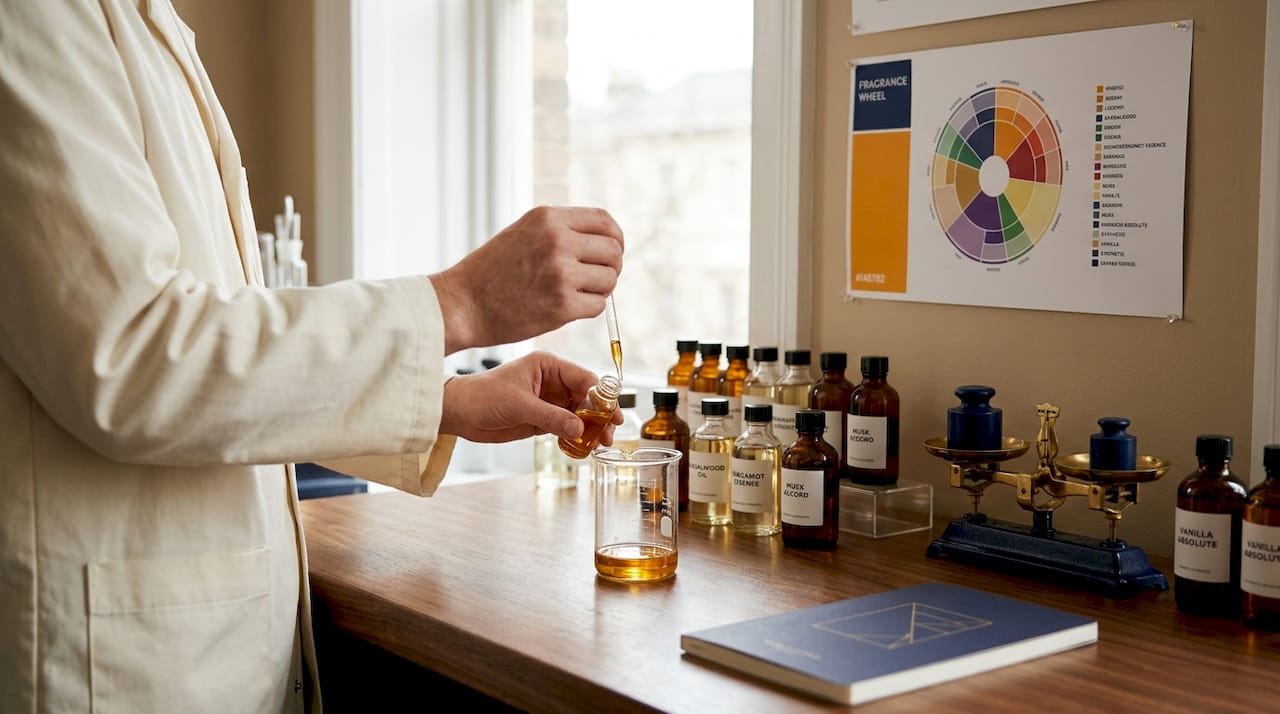
This is where the practical consequences of perfume recomposition become real. When a perfumer substitutes one ingredient for another, even a technically similar one, the entire balance of the formula can shift. Ingredient substitutions alter projection, longevity, and how the fragrance evolves on skin over time.
The table below illustrates how specific types of substitutions affect a fragrance’s behavior:
| Original ingredient | Common substitute | Effect on fragrance |
|---|---|---|
| Oakmoss (IFRA-restricted) | Evernyl moss synthetic | Reduced earthiness; drier base |
| Rose absolute (natural) | Rose oxide or geraniol | Thinner rose character; less depth |
| Genuine ambergris | Ambroxan or Ambrette | Cleaner, more linear warmth |
| Sandalwood (Indian) | Javanol or Clearwood | Slightly creamier but less complex |
| Musk Tibetene (banned) | Galaxolide or Iso E Super | Softer, more synthetic-feeling finish |
The challenge perfumers face is that natural raw materials carry complexity that synthetic or nature-identical substitutes can only approximate. A rose absolute contains hundreds of trace compounds that collectively create depth and naturalism. A synthetic rose note, however technically accurate, typically registers as cleaner, more one-dimensional, and less reactive to individual skin chemistry.
For consumers, the effects of perfume reformulation show up as reduced longevity, weaker projection, a flatter drydown, or a scent profile that feels “off” without being dramatically different. These changes are especially noticeable to people who have worn a fragrance for years and know its nuances intimately.
Pro Tip: Memory strongly influences scent perception. If you try a reformulated version after a long gap, you may find it more acceptable than someone who wore the original just a week prior. Testing side-by-side using a vintage bottle and a current one is the most reliable way to assess actual changes.
The reformulation process from a perfumer’s perspective
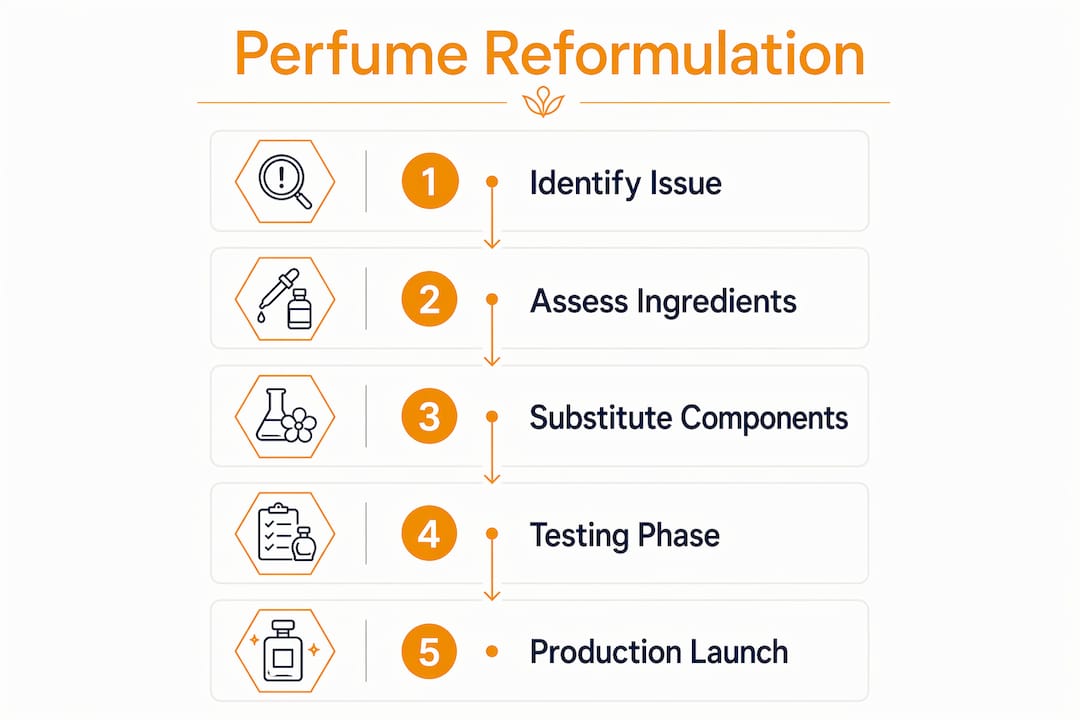
Reformulating a fragrance is not simply swapping one ingredient for another on a spreadsheet. It is a disciplined creative process with significant technical and regulatory dimensions. Most professional perfumers follow a structured workflow that looks roughly like this:
- Identify the restricted or unavailable ingredient. The perfumer begins by isolating which component must change and assessing how central it is to the fragrance’s core accord or structural backbone.
- Map the ingredient’s contribution. Before substituting, the perfumer evaluates whether the ingredient primarily contributes to top, heart, or base notes, and whether it serves an olfactory, fixative, or projective function.
- Select substitute candidates. Nature-identical isolates and synthetic molecules are tested individually and in combination to find the closest perceptual match.
- Build prototypes and stress test them. Multiple prototype formulas are evaluated on skin, on blotter, in varying temperatures, and over time to assess longevity, projection, and stability.
- Conduct blind consumer panels. Reputable brands use blind consumer evaluations to compare the reformulated version against the original without naming either. This removes brand loyalty bias from the assessment.
- Commission a Cosmetic Product Safety Report (CPSR). Every reformulation must be reviewed and approved by a certified safety assessor. This step is often underestimated in complexity, with qualified assessors currently booked 6 to 10 weeks out due to high industry demand.
- Final calibration and sign-off. The perfumer makes final adjustments, the safety documentation is completed, and the new batch enters production.
The entire process can take six months to over a year for a major fragrance. The goal throughout is to preserve what perfumers call “the soul” of the fragrance, the core identity that makes it recognizable and beloved, while satisfying every external constraint placed on the formula.
Market trends and consumer reactions
The fragrance industry is in a period of meaningful change, and reformulation sits at the center of much of the tension between brands and their most dedicated customers.
- Slow perfumery as a counter-movement. The slow perfumery movement prioritizes extended development cycles, ingredient transparency, and sustainable sourcing. Consumers drawn to this space are explicitly rejecting the rapid reformulation cycles of mass-market houses in favor of artisanal creators who communicate openly about their formulas.
- Collector and vintage market growth. When a beloved fragrance undergoes a poorly received reformulation, demand for pre-reformulation bottles rises sharply on resale markets. Collectors treat certain vintage batches the same way wine enthusiasts treat specific vintages: as irreplaceable expressions of a moment in time.
- Transparency demands are louder. Community forums and fragrance review platforms have made it extremely difficult for brands to change formulas quietly. Informed consumers now cross-reference batch codes and packaging clues to identify reformulations within weeks of a new batch reaching retailers.
- Communication strategy determines reception. Consumer backlash is far more common when brands stay silent about formula changes. Houses that proactively communicate reasons, run parallel releases of old and new versions, or engage their communities through the transition see significantly smoother acceptance.
- Sustainability as a genuine driver. Some brands have used reformulation to genuinely improve their environmental footprint, replacing ingredients derived from endangered or over-harvested species with lab-created alternatives that perform equally well. These stories, when told well, can actually strengthen brand loyalty.
The impact of reformulation on fragrance markets is not uniformly negative. Smart reformulations that preserve the identifying accords of a fragrance while carefully adjusting support notes often go unnoticed by casual wearers. The stories that define the conversation are the poorly handled ones, where a beloved scent loses its character entirely and the brand says nothing.
How to identify reformulations as a consumer
If you suspect your fragrance has changed, or you want to protect yourself from inadvertently buying a reformulated version, there are concrete steps you can take.
- Check the batch code. Most fragrance bottles carry a batch code printed on the base or box. Sites like Checkfresh and fragrance community databases allow you to decode manufacturing dates, which is a reliable way to identify when a new batch entered production.
- Compare packaging details. Reformulations often coincide with subtle packaging changes. Look at ingredient lists, net volume labeling, and any “Contains” allergen statements. A longer allergen disclosure on a newer box is a strong signal that the formula shifted.
- Use community resources. Fragrance discussion forums carry detailed reviews that document how scents have changed over time. Searching for a fragrance name alongside terms like “pre-reformulation” or “vintage batch” often surfaces direct comparisons.
- Request a sample before committing. If you are repurchasing a fragrance you haven’t bought in two or more years, test a current sample before buying a full bottle. Many authentic fragrance retailers provide this option or carry multiple batch options.
- Explore archival or limited edition versions. Some brands release archival editions or flankers that restore an older formula’s character. These are worth tracking if a reformulated version has disappointed you.
Understanding the difference between a scent that has aged in the bottle and one that has been genuinely reformulated takes experience. Aged fragrances often smell heavier or slightly oxidized. Reformulated ones tend to smell different in structure, not just intensity.
My take on reformulation in perfumery
I’ve spent years paying close attention to how fragrances change over time, and my honest perspective is that reformulation gets a worse reputation than it deserves. Most of the frustration comes from silence. When a brand changes a formula without saying anything and loyal wearers feel deceived, the relationship breaks. That’s a communication failure more than a chemistry one.
What I find genuinely fascinating is how reformulation, done with care, acts as stewardship. The mysterious task of fragrance recomposition is not about cutting corners. It’s about keeping a fragrance alive in a world that keeps changing the rules. If oakmoss is restricted, a perfumer who simply stops selling the fragrance isn’t honoring its legacy. One who finds a way to keep its spirit alive, even imperfectly, is doing something meaningful.
That said, I understand the grief of losing a fragrance you know deeply. The connection between scent and memory is one of the most direct sensory experiences we have. When a formula changes, it can feel like a version of yourself has been quietly erased.
My advice is to stay curious and stay informed. The consumer trend toward slow perfumery reflects a genuine appetite for craft and honesty in this space. Support brands that communicate openly. Explore niche houses that build formulas with longevity in mind. And when you find something that moves you, buy it, wear it, and know that the bottle in your hand is a document of a moment in perfumery that may not be replicated exactly.
— Rodney
Find your next signature scent at Aromatick
If this deep look at reformulation has you rethinking your fragrance collection, or searching for versions of beloved scents before the formula changed, Aromatick is worth exploring.
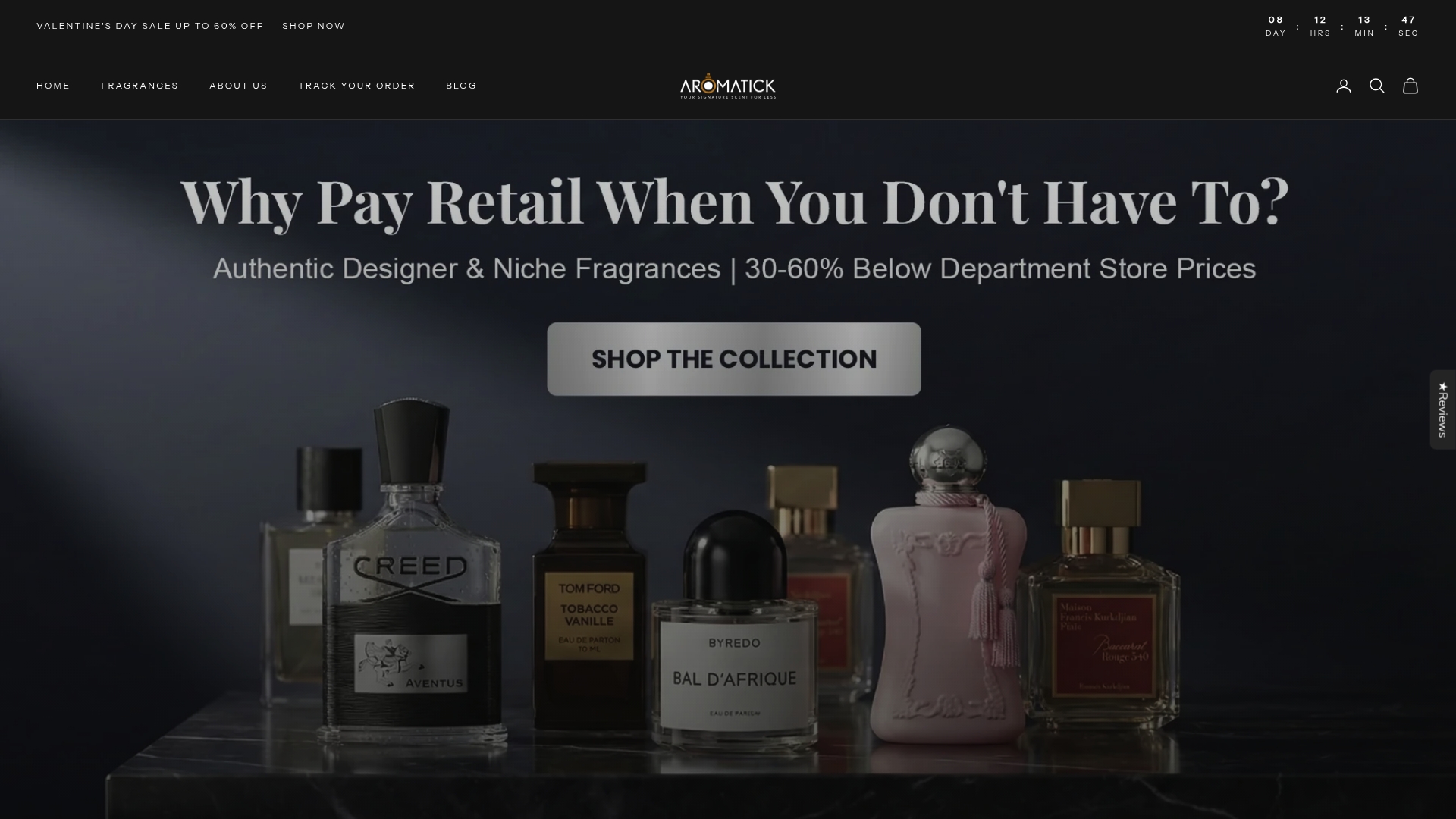
Aromatick specializes in authentic designer and niche fragrances at 30 to 60% off retail prices, with a strict focus on genuine products. Whether you’re rebuilding a collection or discovering something new, the designer fragrance collection covers a wide selection of established and sought-after names. For those drawn to unique and artisan-forward options, the niche fragrance collection features houses known for formula integrity and transparency. Every purchase comes with authenticity assurance, free shipping, and secure payment, so you shop with confidence, not guesswork.
FAQ
What does perfume reformulation mean?
Perfume reformulation, formally called fragrance recomposition, is the deliberate process of changing the ingredient formula of an existing fragrance while keeping it on the market under the same name. It is driven by regulatory requirements, ingredient availability, cost changes, or creative updates.
Why do perfume companies reformulate their fragrances?
The most common reasons include compliance with IFRA regulations and EU allergen guidelines, the rising cost or scarcity of natural raw materials, and the desire to align a fragrance with current consumer preferences or sustainability standards.
Does reformulation always make a perfume smell different?
Not always noticeably. Minor adjustments to support notes may go undetected by most wearers. However, changes to key accords or the substitution of a central natural ingredient with a synthetic alternative often produce a detectable shift in scent profile, longevity, or projection.
How often do perfumes get reformulated?
Perfume formulation changes typically follow a three to five year cycle, often timed to updated IFRA standards or regulatory shifts. However, cost-driven reformulations can happen at any time and are frequently unannounced.
How can I tell if my perfume has been reformulated?
Compare batch codes between bottles using online decoders, check ingredient lists and allergen disclosures on newer packaging, and consult fragrance community forums where wearers document formula changes with detailed scent comparisons over time.

Leave a comment
This site is protected by hCaptcha and the hCaptcha Privacy Policy and Terms of Service apply.