
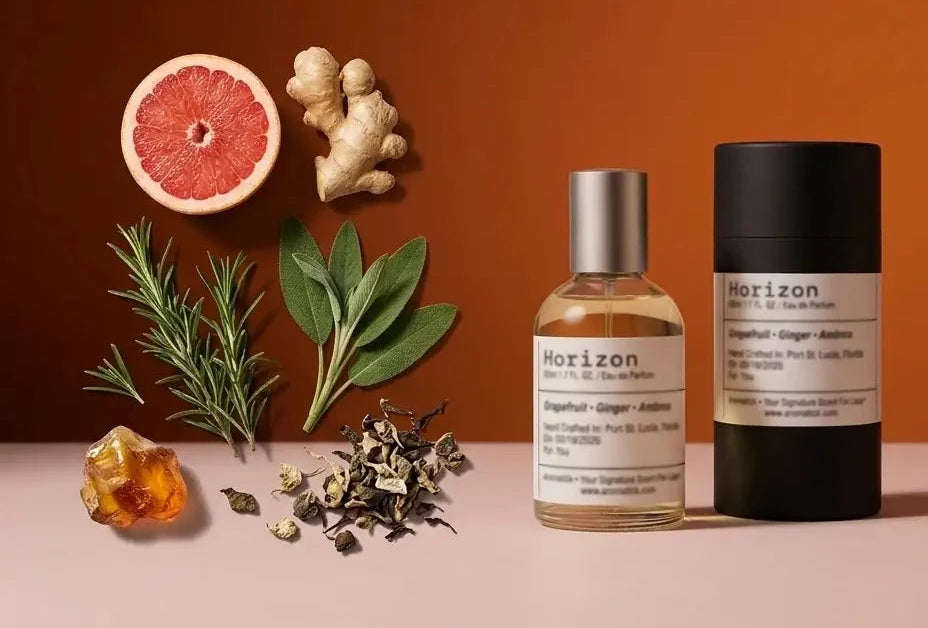

Why Some Fragrances Get Discontinued: The Full Story
TL;DR:
- Fragrance discontinuation occurs when perfumes are permanently removed from production due to market, regulatory, or ingredient issues. Regulatory restrictions and ingredient scarcity often force reformulations or complete discontinuations, impacting collector value and scent authenticity. Understanding these forces helps enthusiasts preserve and find original fragrances before they disappear entirely.
Fragrance discontinuation is defined as the permanent removal of a perfume from commercial production, driven by commercial pressures, regulatory restrictions, or raw material scarcity. Understanding why some fragrances are discontinued matters deeply to collectors, enthusiasts, and everyday shoppers who suddenly find a beloved scent gone from shelves. The International Fragrance Association (IFRA), ingredient supply chains, and brand portfolio decisions all play direct roles in these losses. Aromatick has seen firsthand how these forces shape what stays available and what disappears.
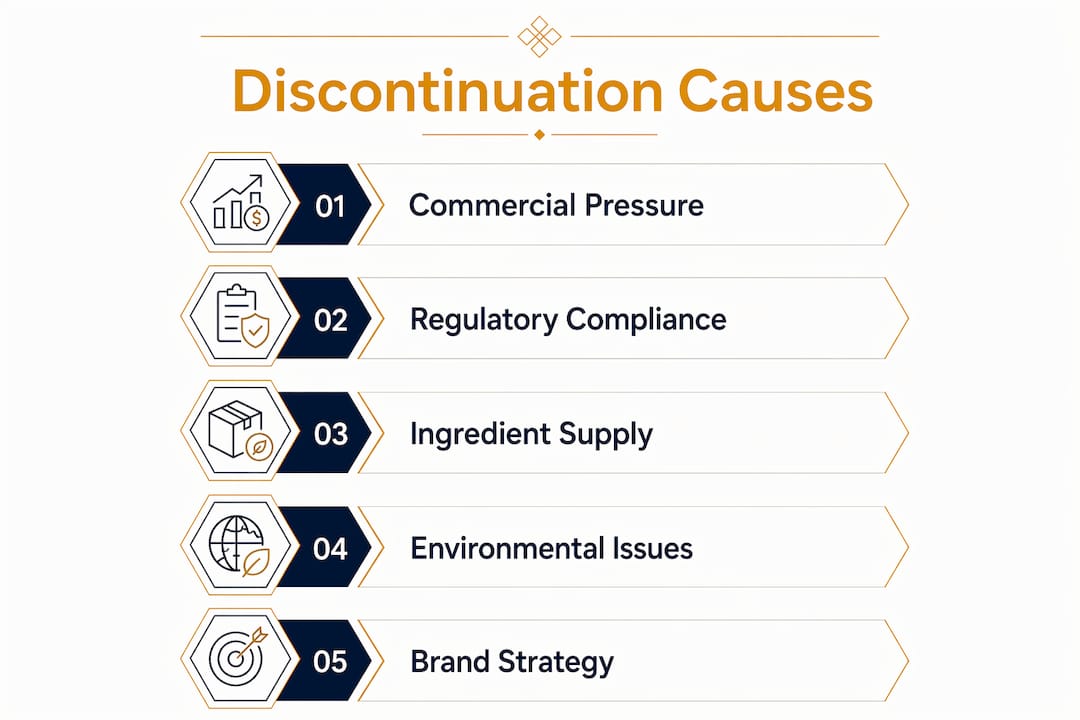
Why some fragrances are discontinued: the core reasons
Low sales volumes and shifting market tastes are the top commercial reasons a fragrance gets pulled from production. Brands prioritize products with higher returns, and a scent with a loyal but small following rarely survives a portfolio review. That reality is harder than it sounds. A perfume can have passionate fans and still get cut because it cannot justify its shelf space against newer, faster-selling launches.
Three commercial forces drive most discontinuation decisions:
- Sales performance. A fragrance that fails to hit internal revenue targets gets discontinued, regardless of critical praise or collector interest.
- Trend shifts. Consumer preferences move toward lighter, fresher profiles or toward specific ingredient families. Older, heavier compositions fall out of favor.
- Portfolio rationalization. Brands regularly trim their catalogs to focus production resources on new launches and hero products.
Brand evolution toward younger demographics also pushes older fragrances out to free production capacity. A scent discontinued for strategic reasons, not poor sales, is one of the more frustrating outcomes for loyal customers. The brand simply moves on.
Pro Tip: Watch for signs a fragrance is at risk: limited retail distribution, removal from the brand’s main website, and the absence of the scent from recent gift sets or promotional campaigns. These signals often precede a formal discontinuation announcement.
How do IFRA regulations force fragrances off the market?
The International Fragrance Association sets the global safety standards that govern which ingredients perfumers can use and at what concentrations. IFRA’s 51st Amendment restricts 48 fragrance ingredients, targeting allergens that cause skin sensitization. That single amendment affected the formulas of countless iconic perfumes.
IFRA standards are technically self-regulatory, but the enforcement mechanism is powerful. Non-compliance risks retail exclusion, which means a brand that ignores IFRA guidelines loses access to major global retailers. That commercial pressure creates industry-wide compliance, whether or not a country’s laws require it.
“Perfumery uses ingredients in minute quantities, but each is critical to the architectural balance of a scent. Removing one can destabilize the entire formula, pushing brands toward discontinuation when reformulation reduces quality below an acceptable threshold.”
When a restricted ingredient sits at the structural core of a fragrance, reformulation becomes nearly impossible without fundamentally changing the scent. Brands face a direct choice: release a noticeably different product under the same name, or discontinue it entirely. Many choose discontinuation to protect the integrity of the original.
The practical impact on collectors is significant:
- Fragrances built around oakmoss, certain musks, or specific aldehydes face the highest regulatory risk.
- A formula compliant in one decade may violate the next amendment cycle.
- Brands update formulas globally to maintain compliance even when only one region changes its regulations. Most consumers never learn this happened.
In what ways do ingredient supply and environment affect availability?
Natural ingredients are the most vulnerable point in any fragrance’s lifecycle. Supply chain instability and the rarity of ingredients like natural oud, Mysore sandalwood, and Bulgarian rose oil cause discontinuation when sourcing becomes inconsistent or too costly. Environmental disruptions, geopolitical events, and agricultural failures all feed directly into ingredient availability.

Mysore sandalwood from Karnataka, India, is a clear example. Decades of overharvesting and strict export controls reduced supply dramatically. Fragrances built on genuine Mysore sandalwood became impossible to produce at scale. Brands either switched to synthetic alternatives, accepted a different scent profile, or discontinued the product.
The cost implications compound the problem. Ingredient costs and rarity influence the entire fragrance lifecycle, from development to shelf pricing. When a key botanical becomes scarce, the cost per kilogram can rise sharply enough to make a fragrance unprofitable.
Environmental concerns also drive brands away from animal-derived musks toward lab-grown alternatives. This transition protects ecosystems and reduces ethical risk, but it changes scent composition. Fragrances built on civet, castoreum, or ambergris either reformulate with synthetics or disappear.
Pro Tip: If you love a fragrance that relies heavily on natural botanicals, buy a backup bottle now. Check the ingredient list for natural oud, real sandalwood, or genuine rose absolute. These are the scents most exposed to supply disruption.
Why do reformulations happen, and how are they different from discontinuations?
Reformulation and discontinuation are not the same outcome, though they share the same triggers. A reformulation keeps the fragrance name and SKU active but changes the formula to meet new regulatory requirements or ingredient realities. A discontinuation removes the product entirely.
The distinction matters for collectors because a fragrance with the same name across different decades is effectively a different product due to mandatory formula changes. Buying a current bottle of a classic scent does not guarantee the same experience as a vintage version.
Reformulation follows a structured process:
- Identify the restricted or unavailable ingredient. The perfumer isolates which component must change and assesses its role in the formula.
- Source an alternative. Synthetic aroma molecules or compliant naturals replace the original ingredient.
- Test the adjusted formula. Extensive wear testing and panel evaluation assess whether the scent’s character survives the change.
- Adjust concentrations. The perfumer rebalances the formula to restore projection, longevity, and the original scent profile as closely as possible.
- Approve for production. The brand signs off and the reformulated version enters the supply chain, often without public announcement.
Reformulation involves precision adjustments to preserve the fragrance’s DNA while meeting safety or raw material constraints. When those adjustments succeed, consumers may never notice. When they fail, the brand often discontinues rather than release a product that damages the original’s reputation. For a deeper look at this process, Aromatick’s guide on perfume reformulation explains the mechanics in plain terms.
What is the impact of fragrance discontinuation on collectors?
Collectors treat discontinued fragrances as artifacts. The nostalgia attached to a scent, what perfumers call “olfactory identity,” creates emotional value that no reformulated version can fully replace. When a fragrance disappears, its original bottles enter a secondary market where rarity and provenance drive price.
Vintage bottles of Guerlain’s Djedi command thousands of dollars due to original formula scarcity. That price level reflects both the rarity of the juice and the impossibility of replication under current regulations. Discontinued perfume has become a genuine collector’s asset, comparable in some circles to vintage wine or rare watches.
| Factor | Effect on collectors |
|---|---|
| Regulatory discontinuation | Original formula becomes legally irreproducible, driving scarcity |
| Ingredient scarcity | Vintage bottles hold the only remaining supply of the original scent |
| Reformulation gap | Collectors distinguish original batches from later versions by batch codes |
| Secondary market pricing | Rare discontinued scents appreciate significantly over time |
| Community databases | Enthusiast communities catalog batch codes and formula changes for reference |
The role of exclusive raw materials in defining a fragrance’s character explains why collectors resist reformulated versions so strongly. The scent they fell in love with was built on specific ingredients that no longer exist in the formula. That gap is real, not imagined.
Key Takeaways
Fragrance discontinuation results from a combination of commercial decisions, IFRA regulatory compliance, and ingredient supply failures, each capable of ending a scent’s production independently.
| Point | Details |
|---|---|
| Commercial pressure drives most cuts | Low sales and brand portfolio shifts end fragrances even with loyal followings. |
| IFRA regulations force formula changes | The 51st Amendment restricts 48 ingredients, making some iconic scents impossible to reproduce. |
| Ingredient scarcity accelerates loss | Natural oud, Mysore sandalwood, and rose oil face supply disruptions that make production unsustainable. |
| Reformulation is not discontinuation | A reformulated scent keeps its name but changes its formula, often without public notice. |
| Collectors drive a secondary market | Original discontinued bottles appreciate in value as legally irreproducible artifacts. |
The uncomfortable truth about fragrance preservation
I’ve spent years watching collectors chase bottles of fragrances they loved, only to discover the version they remember no longer exists in any form. The industry rarely announces reformulations. Brands update formulas quietly, and the bottle on the shelf looks identical to the one from a decade ago. That gap between expectation and reality is where most collector frustration lives.
The honest advice I give is this: if you find a fragrance you love, learn its batch code system. Communities of enthusiasts have built detailed databases that track formula changes by production date. That knowledge is the difference between buying the version you want and buying a reformulation you’ll be disappointed by.
The broader trend in 2026 points toward more discontinuations, not fewer. IFRA amendment cycles continue, natural ingredient supplies remain under pressure, and brands keep rationalizing their catalogs toward fewer, higher-margin products. Collectors who understand these forces can act before a scent disappears. Everyone else finds out when the website returns a 404 error.
The fragrance industry is genuinely fascinating in how it balances art, chemistry, regulation, and commerce. But it is not sentimental about its own history. Knowing that is the first step toward protecting the scents that matter to you.
— Rodney
Authentic fragrances for enthusiasts, at prices that make sense
Fragrance discontinuation is a real risk for any scent you love. Aromatick stocks authentic designer and niche fragrances, including hard-to-find and collectible scents, at up to 60% off standard retail prices.
Whether you’re building a collection or replacing a discontinued favorite, Aromatick’s designer fragrance collection covers a wide range of brands and styles, all verified authentic. For enthusiasts drawn to rarer compositions, the niche fragrance collection features exclusive scents that sit outside mainstream retail. Every order ships free, with a satisfaction guarantee and secure payment. Aromatick exists to make genuine luxury fragrances accessible, without the department store markup.
FAQ
Why do fragrances get discontinued without warning?
Brands discontinue fragrances based on internal commercial reviews, regulatory compliance deadlines, or ingredient availability. Public announcements are rare because they trigger panic buying and complicate inventory management.
What does IFRA have to do with discontinued perfumes?
The International Fragrance Association sets ingredient safety standards that brands must follow to stay in global retail. When IFRA restricts a core ingredient, brands either reformulate or discontinue the scent entirely.
Is a reformulated fragrance the same as the original?
No. Small formula changes affect scent profile even when brands work to preserve the original character. Collectors use batch codes to identify pre-reformulation bottles.
Why are discontinued perfumes so expensive on the secondary market?
Scarcity and irreproducibility drive prices up. When a formula relies on restricted or unavailable ingredients, original bottles become the only source of that exact scent, and collectors prize that provenance accordingly.
Can I find discontinued fragrances anywhere?
Specialty fragrance retailers, auction platforms, and enthusiast communities are the primary sources. Aromatick also carries authentic scents that have limited availability elsewhere, making it a practical starting point for collectors.

Leave a comment
This site is protected by hCaptcha and the hCaptcha Privacy Policy and Terms of Service apply.