
Best Practices for Perfume Shopping: 2026 Guide
TL;DR:
- Limit perfume tests to three or four scents per session to avoid sensory fatigue and inaccurate impressions.
- Wear fragrances on your skin for at least four to eight hours to understand their true scent profile and longevity.
Best practices for perfume shopping are defined as the strategic methods used to select, test, and purchase fragrances with confidence and minimal regret. Most shoppers make costly mistakes by relying on first impressions, skipping skin tests, or buying blind from brand descriptions. The industry term for this structured approach is “fragrance selection methodology,” and it covers everything from managing olfactory fatigue to understanding scent families and concentration levels. This guide walks you through each step, from your first sniff at the counter to clicking “buy” with full confidence.
1. How to test perfumes without overwhelming your senses
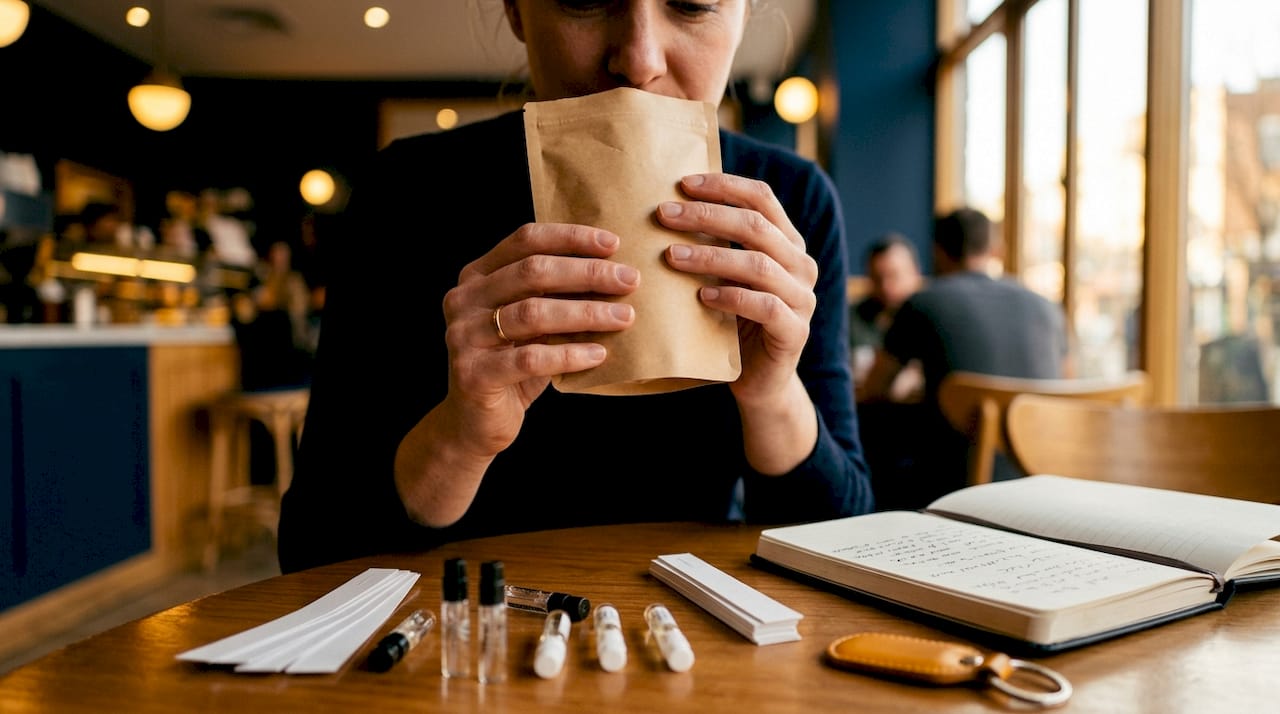
Olfactory fatigue is the single biggest obstacle in any testing session. Your nose stops distinguishing scents accurately after repeated exposure, which means testing more than 3–4 fragrances per session produces unreliable results. That limit is not a suggestion. It is the point at which your perception genuinely breaks down.
The right approach separates paper from skin:
- Use blotter strips to do a first pass and eliminate obvious mismatches.
- Limit skin tests to 1–2 fragrances per session only.
- Apply fragrances to distinct skin locations such as the left wrist, right wrist, and inner elbow, and label each one.
- Never spray two fragrances on the same spot. The scents will blend and distort both.
- Take a break between tests. Step outside the store for fresh air to reset your nose before evaluating the next fragrance.
Spacing out your sessions across different days gives you the clearest picture. A scent that seems overwhelming on a Tuesday afternoon may feel perfectly balanced on a calm Saturday morning.
Pro Tip: Bring a small bag of coffee beans to the store. Sniffing them between tests helps neutralize your nose faster than fresh air alone, though stepping outside still helps with the overall sensory reset.
2. Why testing perfume on your skin and over time matters
A fragrance on paper and a fragrance on your skin are two completely different experiences. Skin chemistry, body temperature, and even your moisturizer all change how a scent develops. This is why paper testing alone leads to poor choices.
Every fragrance moves through three phases:
- Top notes appear first and evaporate within the first 15–30 minutes. They create the initial impression but do not represent the full scent.
- Heart notes emerge after the top notes fade and define the character of the fragrance.
- Base notes are the foundation. They appear after an hour or more and determine how the scent lingers on your skin for hours.
Evaluating only the top notes leads to poor fragrance choices. The base notes are what you will actually wear all day, and they can smell completely different from what you noticed in the first five minutes.
“Wear a fragrance for at least 4–8 hours before deciding to purchase. The base notes define the lasting scent profile, and they only reveal themselves with time and body heat.”
Carry a sample or decant home and wear it through a full day. Note how it changes after lunch, after exercise, and by evening. Document those observations. That record becomes your most reliable buying tool.
3. Using decants, discovery sets, and fragrance journals to shop smarter
Decants and discovery sets are the most cost-effective tools in a shopper’s kit. A decant is a small sample, typically 1–10ml, drawn from a full bottle and sold at a fraction of the cost. Decants cost $5–$25 compared to $90–$300 for full bottles. That price difference makes multi-day testing affordable for almost anyone.
Discovery sets are curated collections of miniatures from a single brand or theme. They let you test multiple scents in real-world conditions before committing to a full purchase. Some brands offer free fragrance samples through promotional programs, which is worth checking before you spend anything at all.
| Sample Type | Typical Cost | Volume | Best Use |
|---|---|---|---|
| Blotter strip | Free | N/A | Quick first-pass elimination |
| Decant | $5–$25 | 1–10ml | Multi-day skin testing |
| Discovery set | $20–$60 | 5–10 miniatures | Brand or theme exploration |
| Full bottle | $90–$300 | 50–100ml | Confirmed favorites only |
A fragrance journal turns casual testing into a real system. Record the fragrance name, the date, weather conditions, your skin care products that day, and how the scent evolved from top to base. Over time, patterns emerge. You will notice that you consistently prefer warm woody bases over fresh citrus tops, or that florals perform better on your skin in cooler months.
Pro Tip: Note the weather and your skin care routine every time you test. Humidity amplifies projection. Dry skin absorbs fragrance faster. These variables explain why the same scent can smell different on two separate days.
4. How to choose the right scent family and concentration for your needs
Choosing a fragrance without knowing your preferred scent family is like ordering food without knowing what cuisine you enjoy. The five major scent families give you a framework to narrow your choices before you ever spray anything.
The five scent families:
- Fresh: Citrus, aquatic, and green notes. Best for daytime, warm weather, and office settings.
- Floral: Rose, jasmine, peony, and similar blooms. Versatile across occasions, from casual to formal.
- Woody: Sandalwood, cedar, vetiver, and oud. Suits cooler weather, evenings, and professional settings.
- Gourmand: Vanilla, caramel, and sweet spice. Works well in fall and winter, and for evening wear.
- Oriental: Amber, musk, and exotic resins. Rich and long-lasting, best for evenings and cooler climates.
Concentration determines how long a fragrance lasts and how strongly it projects. Understanding perfume concentration types before you buy prevents a common disappointment: paying full price for a scent that fades in two hours.
| Concentration | Fragrance Oil % | Typical Longevity | Best For |
|---|---|---|---|
| Eau de Toilette (EDT) | 5–15% | 3–5 hours | Daily wear, warm weather |
| Eau de Parfum (EDP) | 15–20% | 5–8 hours | Work, cooler seasons |
| Parfum (Extrait) | 20–30%+ | 8–12+ hours | Special occasions, evenings |
Identifying 3 known favorite notes from scents you already enjoy, such as candles, body products, or nature, gives you a reliable starting point. Cross-referencing those notes when browsing fragrances produces far better results than reading brand marketing copy alone.
5. Common mistakes to avoid when shopping for perfume
Blind buying is the most expensive mistake in fragrance shopping. Purchasing a full bottle based solely on online reviews or brand descriptions, without any personal testing, leads to disappointment more often than not. No review can predict how a scent will interact with your skin chemistry.
Other frequent mistakes include:
- Rubbing your wrists together after spraying. This generates heat and breaks down the fragrance molecules, distorting the scent. Spray and let it dry naturally.
- Over-testing in one session. Testing more than 3–4 fragrances causes nose fatigue and makes every scent smell similar.
- Judging a fragrance only on the top notes. Top notes attract immediately but often differ significantly from the base notes that define the lasting scent.
- Ignoring skin care products. Heavily scented lotions or oils alter how a fragrance develops on your skin.
- Buying from unverified sellers. Counterfeit fragrances are a real problem in the market. Always buy from sellers who provide an authenticity guarantee and transparent sourcing.
Impulsive buying driven by in-store atmosphere or a salesperson’s enthusiasm is another trap. A fragrance collecting guide can help you recognize these patterns before they cost you money. Set a rule: never buy a full bottle on the same day you first smell it.
Key Takeaways
The most effective approach to perfume shopping combines structured skin testing, scent family knowledge, and deliberate purchasing decisions to find fragrances that genuinely suit your preferences.
| Point | Details |
|---|---|
| Limit testing sessions | Test no more than 3–4 fragrances per session to prevent olfactory fatigue. |
| Test on skin, not paper | Wear a fragrance for 4–8 hours to experience true base notes and scent evolution. |
| Use decants before buying | Decants cost $5–$25 and allow multi-day testing before committing to a full bottle. |
| Know your scent family | Identify preferred notes from familiar scents to narrow choices before testing. |
| Buy from verified sellers | Always confirm authenticity to avoid counterfeit products and wasted money. |
What I’ve learned after years of testing fragrances
The single habit that changed my fragrance shopping most was keeping a journal. Before I started writing things down, I would test a scent, love it in the store, buy it, and then feel vaguely disappointed a week later. The journal forced me to slow down and actually observe what was happening across the dry-down.
What surprised me most was how often my first impression was wrong. A fragrance I dismissed as too sharp in the first ten minutes became one of my favorites after the base notes settled. The reverse happened too. A scent that smelled beautiful on the blotter strip turned flat and sour on my skin within an hour. Skin chemistry is not a minor variable. It is the whole story.
Discovery sets genuinely changed how I approach budget-conscious exploration. Spending $30 on a set of five miniatures taught me more about my preferences than spending $200 on two full bottles based on guesswork. The fragrance selection workflow I now follow starts with samples, moves to decants, and only ends at a full bottle purchase when I have worn a scent for at least three separate days.
Perfume shopping should feel enjoyable, not stressful. Approach it as a process of genuine discovery rather than a transaction. Your nose will reward the patience.
— Rodney
Authentic fragrances at Aromatick, without the department store price
Knowing what to look for is only half the equation. The other half is finding a source you can trust to deliver the real thing.
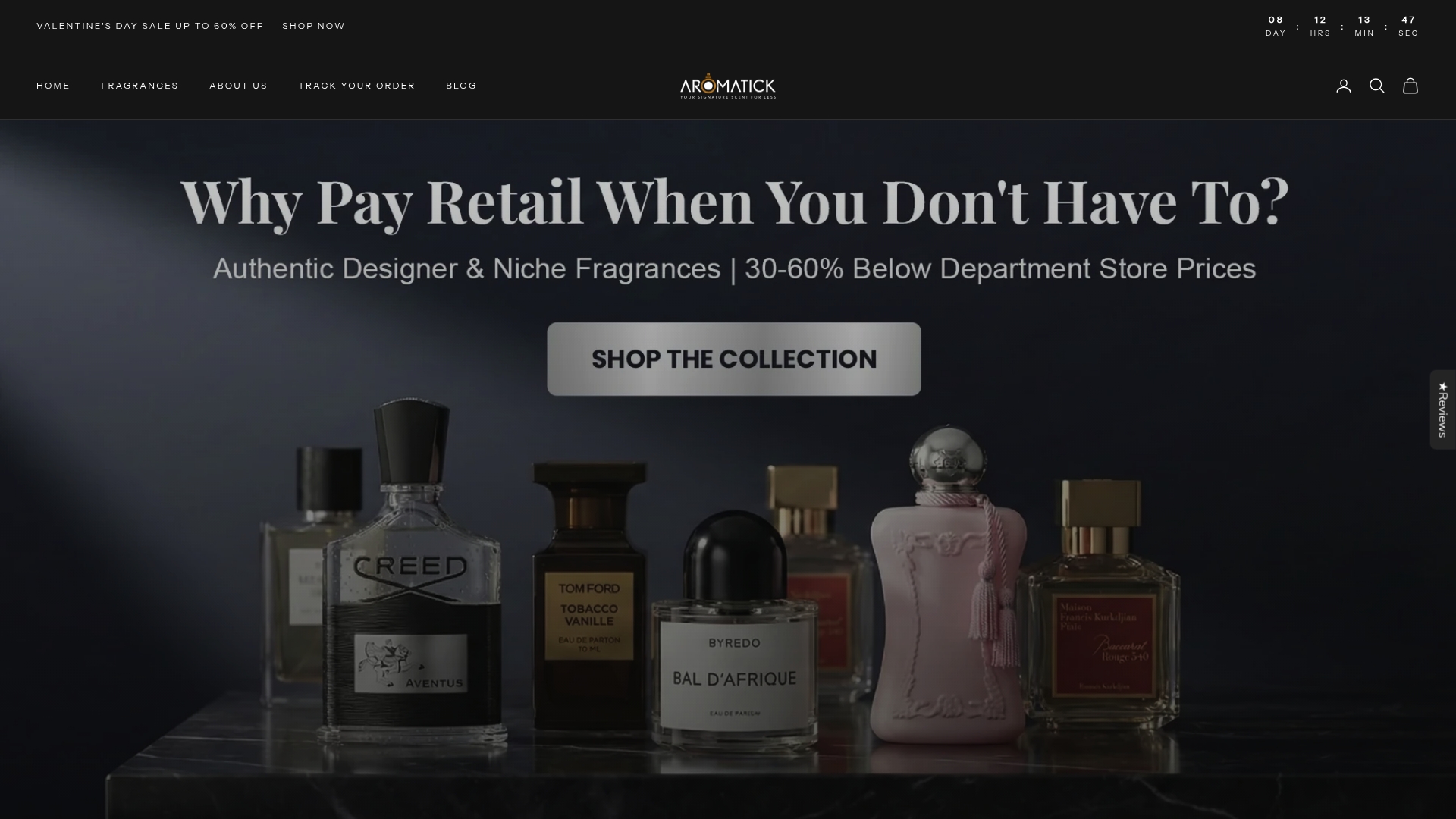
Aromatick carries a wide range of authentic designer fragrances at discounts of up to 60% off retail prices, covering everything from popular designer names to niche collections. Every product comes with a full authenticity guarantee, so you are never guessing about what you are buying. For shoppers who want to test before committing, gift sets and discovery-style options make it easy to explore multiple scents at a lower cost. Browse the full niche fragrance collection to find your next signature scent with confidence.
FAQ
How many perfumes should I test in one shopping session?
Limit testing to 3–4 fragrances per session to avoid olfactory fatigue. Test only 1–2 on skin and use blotter strips for the rest.
How long should I wear a perfume before buying it?
Wear a fragrance for at least 4–8 hours before purchasing. This allows the base notes to fully develop and gives you an accurate picture of how the scent performs on your skin.
What is a decant and why should I use one?
A decant is a small sample of 1–10ml taken from a full bottle, typically priced at $5–$25. Decants let you test a fragrance over multiple days before investing in a full bottle.
What does EDT, EDP, and Parfum mean?
These refer to fragrance concentration levels. EDT lasts roughly 3–5 hours, EDP lasts 5–8 hours, and Parfum lasts 8 hours or more. Higher concentration means stronger projection and longer wear.
How do I avoid buying a counterfeit perfume?
Buy only from sellers who provide a clear authenticity guarantee and transparent sourcing. Avoid unverified third-party marketplaces where counterfeit products are common.

Leave a comment
This site is protected by hCaptcha and the hCaptcha Privacy Policy and Terms of Service apply.