
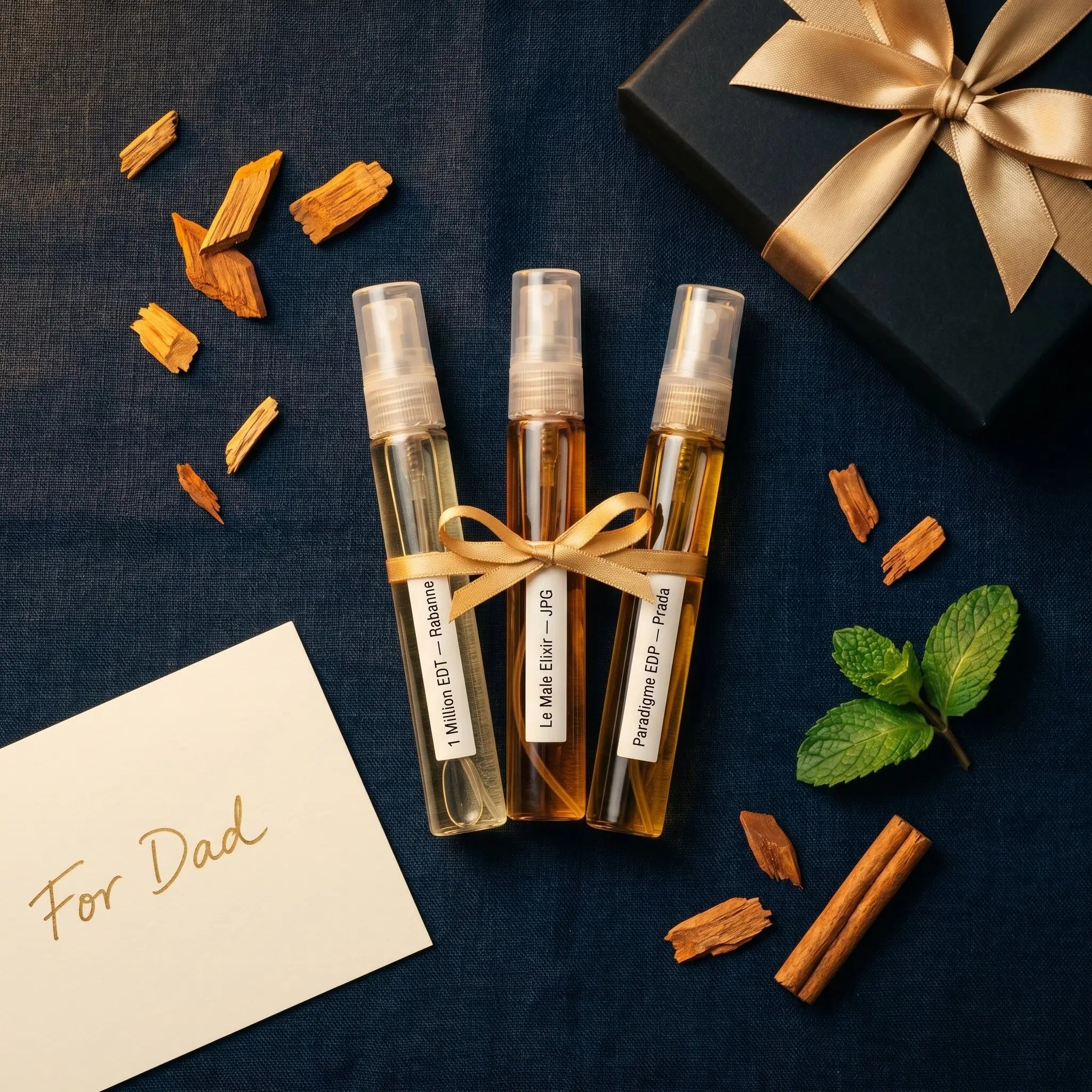

Fragrance Layering: Elevate Your Scent Game with Expert Techniques
TL;DR:
- Fragrance layering allows personal scent creation and extends wear and versatility.
- Understanding notes and structured techniques help craft harmonious, signature blends.
- Layering enhances existing fragrances, offers budget-friendly options, and reflects individual expression.
Wearing a single fragrance every day is like eating the same meal for every occasion. It works, but it limits you. Fragrance layering, the practice of combining two or more scents strategically, gives you the power to craft something entirely your own. This guide covers everything from foundational concepts to expert strategies, practical tips, and real-world examples you can use regardless of your budget or experience level. Whether you’re just building your first collection or you already own dozens of bottles, layering opens up a world of creativity that most wearers never explore.
Table of Contents
- What is fragrance layering?
- How fragrance layering works: The art and science
- Best practices and expert strategies for layering
- Layering for every budget: Designer, niche, and affordable options
- Our take: Why fragrance layering is the future of personal scent
- Start your layering journey with designer and niche fragrance deals
- Frequently asked questions
Key Takeaways
| Point | Details |
|---|---|
| Personalize your scent | Fragrance layering gives you a unique signature that reflects your style and mood. |
| Mix for better value | Combining different fragrances helps stretch your collection and get more use from each product. |
| Use bridge notes | Vanilla and amber help blend diverse perfumes smoothly for a more harmonious scent. |
| Experiment by budget | Layering works whether you buy designer, niche, or affordable scents—everyone can play. |
What is fragrance layering?
Fragrance layering means applying more than one scent to your body in a deliberate, thoughtful sequence. Rather than choosing between two favorites, you wear both, and let them merge into something new. This isn’t a random mix. It’s a technique that, when done well, creates a cohesive and personal aroma that no single bottle could replicate on its own.
The practice has deep roots in Middle Eastern perfumery traditions, where layering multiple oud-based and resinous scents has been standard for centuries. Niche perfume houses began popularizing it in Western markets over the past two decades, and today it’s a growing trend worldwide among enthusiasts at every experience level.
The core benefits of fragrance layering include:
- Personalization: You build a signature scent no one else wears.
- Extended wear time: Combining a long-lasting base scent with lighter top notes keeps your aroma evolving throughout the day.
- Better value: You get more creative use from fragrances you already own.
- Flexibility: Your scent can shift with your mood, season, or occasion.
Understanding perfume note basics is essential before you start layering. When you know which notes a fragrance leads with and which ones emerge over time, choosing complementary scents becomes much more intuitive.
As one leading style publication puts it, fragrance layering allows you to create unique, personal scent combinations that reflect who you are rather than what the brand intended.
“The best fragrance you can wear is one that no one else has. Layering gives you that.” — A principle widely celebrated in niche perfumery.
This practice is genuinely for everyone. Beginners benefit from discovering new combinations without spending more money. Budget shoppers stretch their collections further. Luxury aficionados use layering to create limited-edition-style blends from their existing bottles.
How fragrance layering works: The art and science
Every perfume is built around three structural layers: top notes, which you smell immediately; heart notes, which emerge after 15 to 30 minutes; and base notes, which anchor the scent for hours. When you layer two fragrances, these note layers interact, sometimes predictably, sometimes surprisingly.
The key to harmonious layering is understanding how certain notes act as bridges. Bridge notes like vanilla and amber help unify layers by softening edges between contrasting scents and making the overall blend smell intentional rather than accidental.
Here’s a quick reference for note combinations and their effects:
| Base note | Layered with | Resulting effect |
|---|---|---|
| Amber | Citrus top | Warm, vibrant, sun-drenched |
| Vanilla | Sharp floral | Soft, creamy, romantic |
| Woody (cedar, sandalwood) | Green or herbal | Earthy, grounded, fresh |
| Musk | Light aquatic | Clean, skin-like, modern |
| Oud | Rose or saffron | Rich, complex, opulent |
You can learn about perfume notes in detail to better predict how any two fragrances might interact before you commit to a combination.
Here’s how to layer fragrances step by step:
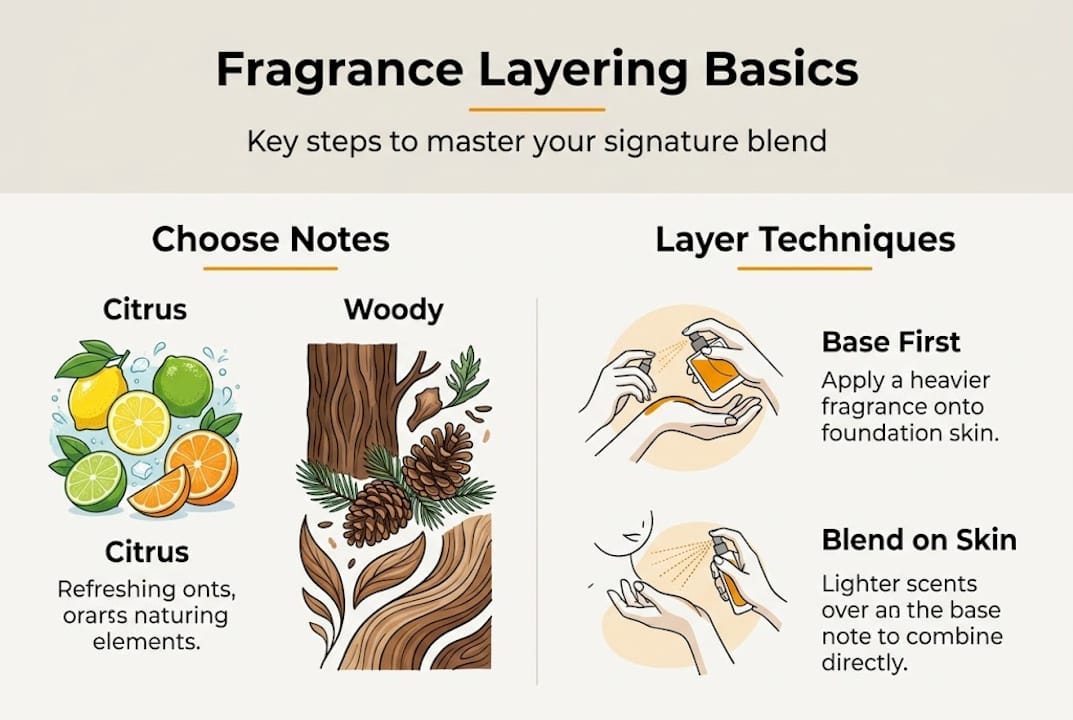
- Start with the heavier scent. Apply your deeper, more resinous fragrance first (ouds, ambers, woody bases). This becomes your foundation.
- Layer the lighter scent on top. Spray your citrus, floral, or aquatic fragrance over or near the same spots.
- Apply to pulse points. Wrists, neck, and inner elbows are ideal because warmth helps the scents blend.
- Wait and test. Give the combination 15 to 20 minutes to settle before evaluating the result.
- Adjust as needed. Add one small spray at a time. You can always add more, but you can’t undo an overdose.
Always test on skin rather than paper strips. Skin chemistry, your natural oils and warmth, changes how fragrance notes develop. A combination that smells off on paper may be stunning on your body. Explore fragrance note types for a deeper understanding of how individual notes behave on different skin types.
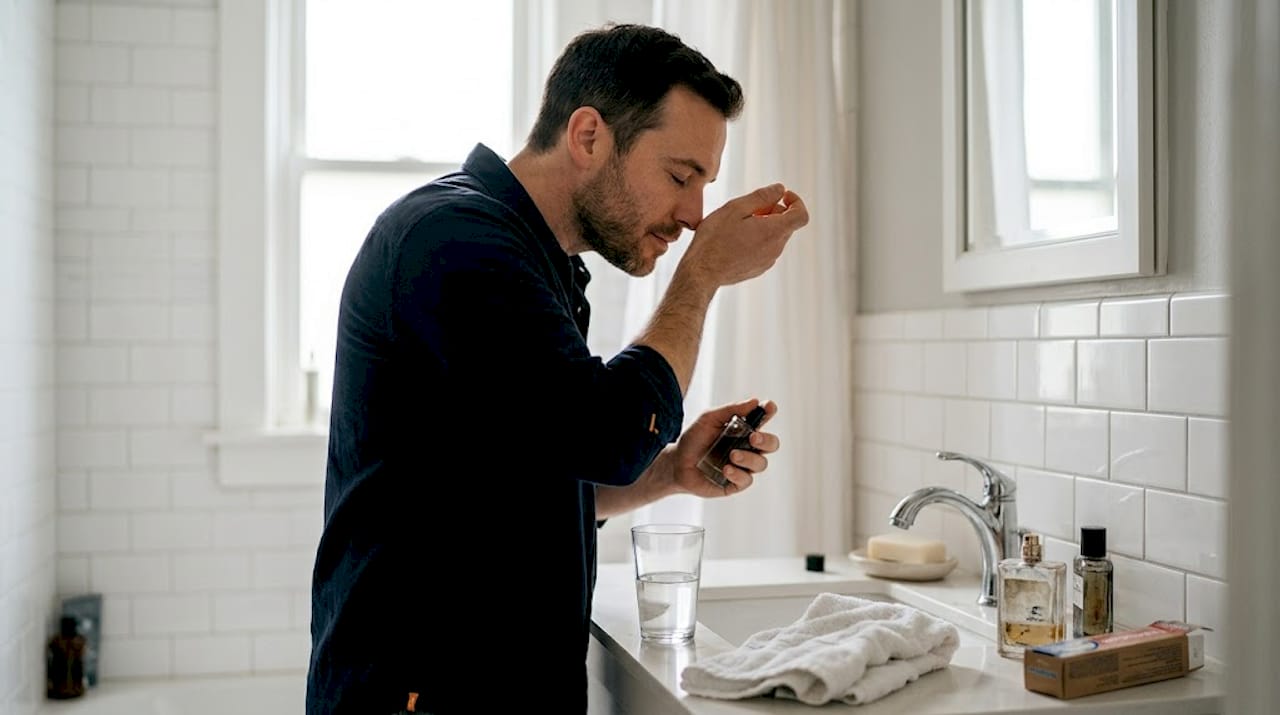
Pro Tip: Dab a small amount of unscented moisturizer on pulse points before applying your first layer. Hydrated skin holds fragrance longer and helps notes blend more smoothly.
Best practices and expert strategies for layering
Knowing the mechanics is one thing. Applying them confidently takes a little strategy. Let’s look at practical frameworks that help both newcomers and seasoned collectors get the most from every combination.
Three simple layering goals to guide your choices:
- Brighten: Add a citrus or green note over a heavier woody or amber base to make a rich scent feel fresher and more energetic.
- Soften: Place a vanilla or white musk over a sharp floral or spicy scent to smooth its edges and make it more wearable.
- Deepen: Use an amber or resinous layer beneath a light citrus to give it warmth, staying power, and complexity.
Experts recommend layering strategies like brighten, soften, and deepen as a reliable entry point for beginners who don’t yet want to experiment blindly. These three frameworks cover the majority of everyday layering scenarios without requiring advanced knowledge.
Good starter pairings include vanilla and citrus, amber and cedarwood, sandalwood and florals, and light musk with clean aquatics. These combinations share bridge qualities that make blending forgiving even for first-timers. The full layering fragrance guide walks you through more advanced pairings once you’ve built confidence with the basics.
| Classic mistake | Pro move |
|---|---|
| Layering two heavy orientals at full intensity | Use one heavy base, one light top |
| Applying to dry skin | Moisturize first for better adhesion |
| Testing immediately after spraying | Wait 15 minutes for the blend to settle |
| Mixing clashing accords (e.g., heavy smoke + sharp green) | Use bridge notes to connect contrasting scents |
| Over-applying to “make it last” | Layer strategically, two to three sprays total |
If you’re still unsure how to match scents to your style or season, the choose fragrances guide provides a clear framework based on fragrance families and personal preference.
Pro Tip: Keep a small notebook or use your phone to record which combinations you’ve tried and how they performed after an hour. Scent memory is unreliable, but notes last.
Layering for every budget: Designer, niche, and affordable options
One of the biggest misconceptions about fragrance layering is that it requires an expensive collection. It doesn’t. Layering amplifies value for budget-conscious shoppers just as much as it does for luxury collectors, because the technique itself does the heavy lifting.
Consider a few real-world examples:
For her: A designer citrus cologne layered with an affordable drugstore vanilla body spray creates a warm, lively combination that performs like a far pricier niche scent. The vanilla grounds the citrus and extends its freshness into the evening.
For him: A niche woody fragrance paired with an accessible sandalwood body oil delivers the kind of complex, skin-close depth that many premium colognes advertise but rarely achieve alone.
You don’t always need two full bottles to experiment. Samples and decants are ideal for testing combinations before committing to a full purchase. Scented body lotions and hair mists also layer surprisingly well with traditional eau de parfum, adding dimension without clashing.
Budget-friendly combination ideas (all under $50 total):
- Designer citrus + drugstore amber body oil
- Affordable white musk spray + niche sample sandalwood
- Scented vanilla lotion base + light floral eau de toilette
- Clean aquatic cologne + unscented moisturizer with a few drops of cedar oil
- Affordable woody spray + online niche decant in rose or oud
Exploring designer fragrance tips can help you identify which designer scents offer the most versatile note profiles for layering. And if you’re building a seasonal wardrobe, seasonal fragrance picks provide excellent guidance on which combinations suit summer freshness versus winter richness.
Layering makes your existing collection work harder. Instead of spending $200 on a new bottle, you might discover that two fragrances you already own create something better than either could on its own.
Our take: Why fragrance layering is the future of personal scent
The idea of a single “signature scent” feels increasingly outdated. It made sense when fragrance was a luxury purchased once a year. Today, enthusiasts build collections, explore niche releases, and treat scent the same way they treat a wardrobe: with intentionality, variety, and personal expression.
Layering fits naturally into this shift. It mirrors what’s happening in food, fashion, and technology, where personalization is no longer optional but expected. People don’t want to smell like the bottle. They want to smell like themselves.
From our perspective, the most interesting development isn’t the technique itself. It’s what layering reveals about how people now relate to scent. The niche perfume tips community has understood this for years: the most memorable fragrance impressions come from blends that couldn’t be found in any store. That’s what layering offers. Not just a better smell, but a small act of creative ownership. A scent that is entirely, unmistakably yours.
Start your layering journey with designer and niche fragrance deals
Inspired to reinvent your scent game? The best next step is building a small, versatile collection of complementary fragrances you can start experimenting with right away.

At Aromatick, you’ll find authentic designer and niche fragrances at up to 60% off retail prices, making it easier than ever to build a layering-ready collection without stretching your budget. Browse the full designer fragrance collection for versatile bases and bright top-layer options, or explore the niche fragrance collection to discover unique accords that elevate any blend. With free shipping, secure payments, and a satisfaction guarantee, there’s no risk in starting your layering journey today.
Frequently asked questions
Can I layer any two fragrances?
Most fragrances can be layered, but for the best results, choose scents that share at least one note family or use a bridge note like vanilla or amber to unify contrasting accords.
Should I spray fragrances on top of each other or on different spots?
Spray on the same pulse point for a full blend, or on separate areas if you want each scent to remain more distinct and evolve independently throughout the day.
Does fragrance layering last longer than using a single scent?
Yes, layering a long-lasting base like an oud or amber under lighter top notes can meaningfully extend overall wear time compared to wearing just one fragrance alone.
Can I layer with body lotions or oils?
Absolutely. Scented or lightly fragranced lotions and oils create an excellent base layer that boosts both performance and scent depth when paired with a complementary eau de parfum.
Are there mistakes to avoid when starting out?
Avoid combining two heavy, clashing accords at full intensity, and always test with small amounts first to prevent the combination from becoming overpowering before you’ve had a chance to evaluate it.

Leave a comment
This site is protected by hCaptcha and the hCaptcha Privacy Policy and Terms of Service apply.