
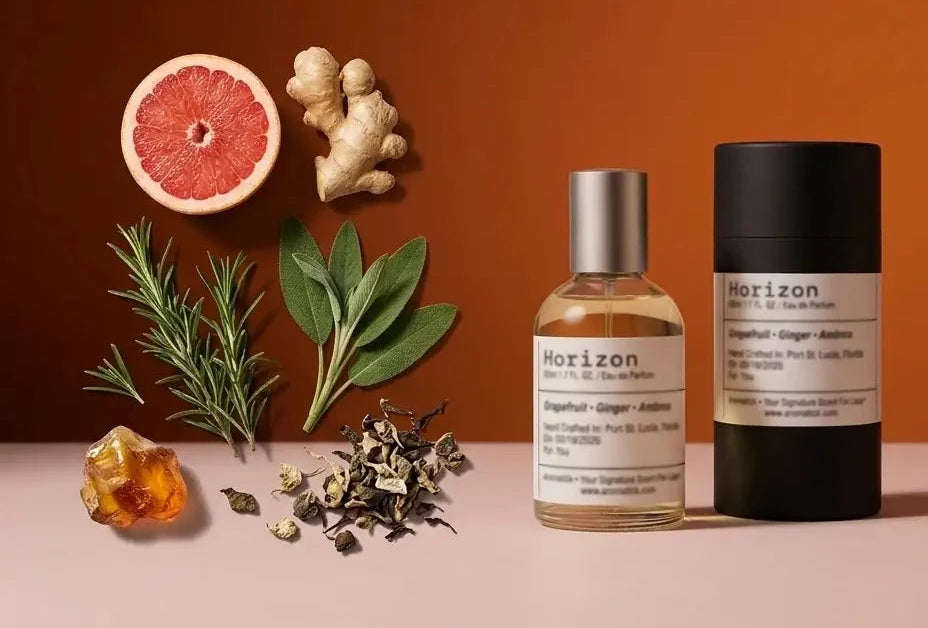
Master the perfume layering process for a unique scent
TL;DR:
- Perfume layering allows you to create unique, long-lasting scents tailored to your mood and season. By combining compatible fragrances and following proper application techniques, you can transform existing bottles into a personalized scent system. Building a versatile, budget-conscious collection and practicing patience enhances your mastery of personalized fragrance creation.
Most fragrance lovers reach a point where one bottle just doesn’t feel like enough. You want something warmer in winter, fresher in summer, or just different from everyone else who bought the same department store bestseller. The perfume layering process is how you solve that without buying ten expensive bottles. By combining two or more fragrances intentionally, you create a scent that evolves on your skin, lasts longer, and belongs entirely to you. This guide covers everything from materials and application steps to budget strategies and common mistakes, so you can start layering with confidence and creativity.
Table of Contents
- What you need to start the perfume layering process
- Step-by-step perfume layering process for optimal scent
- Avoiding common perfume layering mistakes and troubleshooting
- Budget-friendly perfume layering: smart shopping and sample strategies
- How to verify and refine your layered perfume signature
- Why mastering the perfume layering process transforms your fragrance experience
- Explore premium fragrance collections to start layering your signature scent
- Frequently asked questions
Key Takeaways
| Point | Details |
|---|---|
| Start simple | Layer two complementary fragrances, starting with heavier bases followed by lighter accents for best results. |
| Prepare well | Moisturized skin and suitable fragrance formats like oils and EDPs improve longevity and scent blending. |
| Evaluate patiently | Wait 20-30 minutes between layers and assess the scent evolution to refine your combination. |
| Avoid mistakes | Limit to 2-3 scents, respect layering order, and avoid clashing notes for harmonious blends. |
| Budget smart | Use sample sets and focus spending on versatile base scents to create a rich fragrance wardrobe affordably. |
What you need to start the perfume layering process
Before you spray anything, understanding what you’re working with makes a real difference. Every fragrance is built in three layers: top notes (the first impression, usually citrus or light herbs that fade within 30 minutes), heart notes (the character of the scent, like florals or spices that emerge after the top fades), and base notes (the long-lasting foundation, often woods, musks, or resins). When you layer fragrances, you’re essentially writing a new scent story by mixing these note layers from different bottles.
Layering-friendly formats include perfume oils, eau de parfums, body lotions, balms, and sprays, each with different longevity and effects. Perfume oils absorb into the skin without alcohol evaporation, making them excellent base layers. Eau de parfums (EDPs) carry strong heart and base notes and perform well as your primary scent. Eau de toilettes (EDTs) work better as lighter accents layered on top.
Here’s what to gather before you begin:
- Fragrance formats: At least one heavier base (oil or EDP) and one lighter accent (EDT or body spray)
- Clean, moisturized skin: Dry skin kills longevity; an unscented lotion applied beforehand dramatically improves how long your layers hold
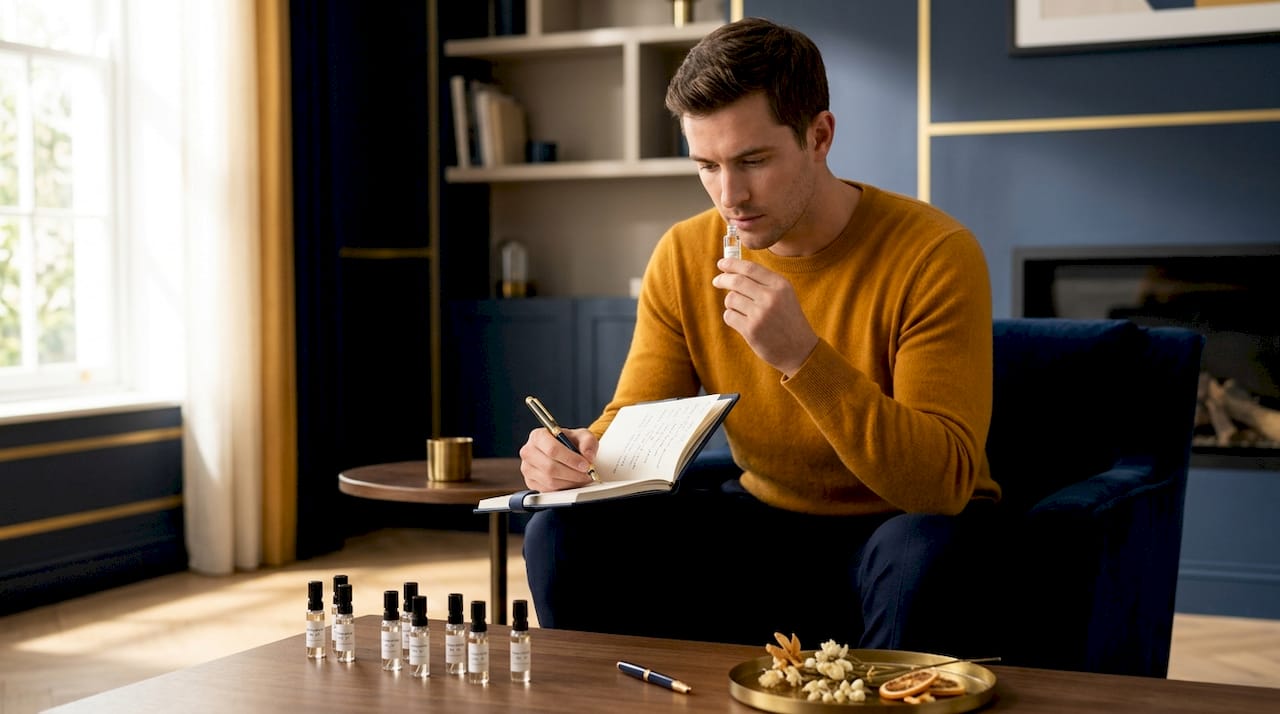
- Sample vials or decants: These let you test building lasting personal scents without committing to full-size bottles
- A fragrance journal: A simple notebook or phone note where you record what you applied, in what order, and how the result smelled after an hour
- A clear nose: Sniff coffee beans or your own skin between tests to reset your perception
| Format | Best role in layering | Longevity on skin |
|---|---|---|
| Perfume oil | Base layer | 6-10 hours |
| Eau de parfum (EDP) | Primary or base | 4-8 hours |
| Eau de toilette (EDT) | Accent or top layer | 2-4 hours |
| Body lotion/balm | Pre-layer moisture base | 2-3 hours |
| Body spray/mist | Light accent or refresh | 1-2 hours |
One tip that often gets skipped: explore budget-friendly perfume selection when building your starter kit. You don’t need luxury full-bottles for every role. A $15 musk oil paired with a discounted EDP can outperform a $200 single fragrance in terms of uniqueness and longevity.
Step-by-step perfume layering process for optimal scent
With essentials ready, let’s explore the exact steps to layer fragrances effectively. The biggest mistake beginners make is spraying everything at once. Thoughtful sequencing is what separates a harmonious blend from a headache in a bottle.
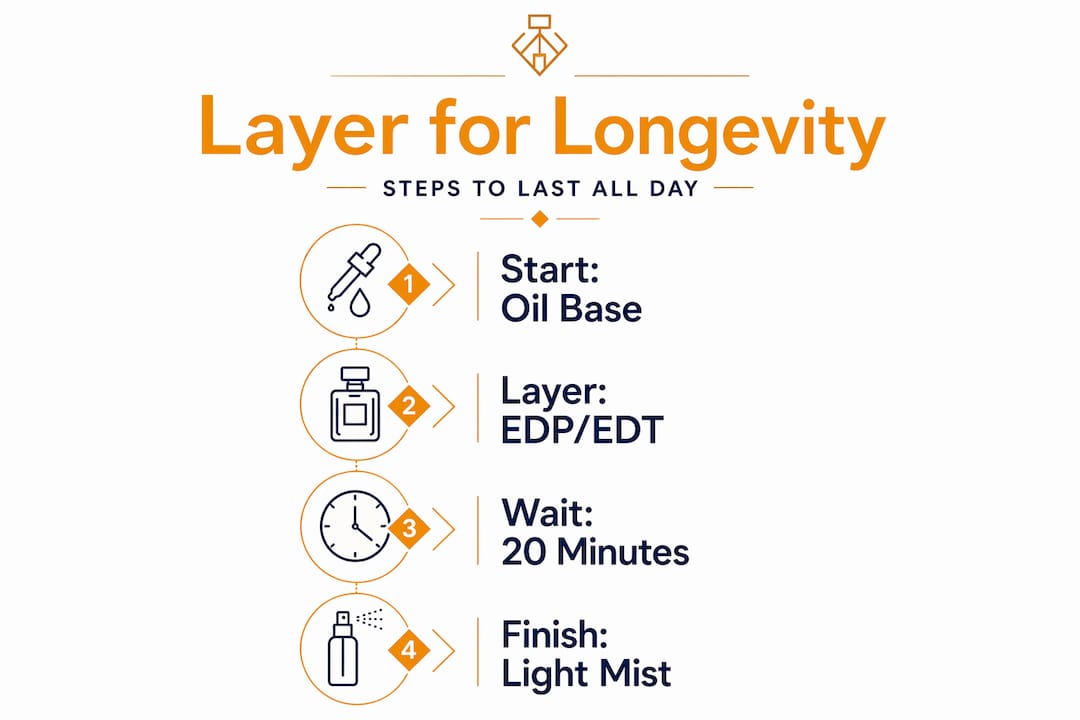
Start with two fragrances only, applying the strong and long-lasting base first on pulse points, then the lighter accent after a 20-30 minute wait. Here’s the complete routine:
-
Shower and moisturize. Apply an unscented lotion to your pulse points: wrists, behind the ears, the throat, and the inner elbows. This step creates a scent-holding surface that slows evaporation.
-
Apply your base fragrance first. Choose your heavier, longer-lasting scent (a perfume oil or EDP with woody, musky, or oriental notes). Apply it directly to pulse points. Don’t rub; let it sink in.
-
Wait 20-30 minutes. This is the most overlooked step. Apply heavier layers first, then add lighter EDT or sprays on top, with at least 30-60 seconds between layers on moisturized skin for a cohesive blend. Waiting the full 20-30 minutes lets the base note structure settle so the accent doesn’t compete with it.
-
Apply your accent fragrance. Spray your lighter EDP or EDT over or around the same pulse points. Use 1-2 sprays to start; you can always add more, but you can’t remove it.
-
Balance the ratio. A good starting point is a 2:1 ratio, more base than accent. If your base is subtle and your accent is intense, flip the ratio. Adjust by number of sprays, not guesswork.
-
Test on skin, not paper. Paper strips show raw notes. Your skin shows how the fragrance mixing process actually behaves with your body chemistry, which is the only version that matters.
-
Wait another 15 minutes, then evaluate. Smell your wrist at arm’s length to judge projection, not up close where everything smells stronger than it actually is.
Pro Tip: If you want to test a combination before wearing it all day, apply each fragrance to a separate wrist and hold them near each other. It’s not perfect, but it gives a preview before you commit both to the same skin.
Avoiding common perfume layering mistakes and troubleshooting
Knowing the routine helps, but avoiding these pitfalls ensures your layering produces a refined and wearable scent instead of something that clears the room.
Layering fails when notes clash, too many scents compete, or application order is ignored. Here’s what to watch for:
- Layering more than three fragrances. Common mistakes include mixing too many fragrances, ignoring note compatibility, and testing combinations too quickly. Three is the absolute maximum; two is the sweet spot for beginners.
- Pairing strongly opposing notes. Heavy oud or leather with sharp aquatic or ozonic notes rarely works. Think of note families as musical keys: woody pairs with spicy or amber, florals pair with musks or light woods.
- Spraying in the wrong order. Applying a light EDT before a heavy oil means the oil buries the lighter scent entirely.
- Testing combinations immediately. Sniffing right after application only tells you what each scent smells like individually; the real blend appears 10-20 minutes later.
- Ignoring skin neutralization. If a combination goes wrong and you’re committed to an event, apply unscented balm or a small amount of coconut oil to the area, wait, and try again.
A helpful mental model: think of layering like cooking. Salt and pepper enhance almost anything, but anchovy paste and chocolate create chaos. Your base fragrance is the protein, the accent is the seasoning. You want them to work together, not fight for attention.
Pro Tip: Keep a small bottle of unscented micellar water and cotton pads in your kit. A gentle wipe can remove a surface layer of fragrance without stripping your skin completely, giving you a partial reset if a combination doesn’t land.
Explore expert layering techniques for deeper guidance on note compatibility and advanced pairing strategies.
Budget-friendly perfume layering: smart shopping and sample strategies
If cost concerns hold you back, here’s how to approach the perfume layering process affordably without sacrificing quality.
Budget-conscious layering recommends starting with $6-12 worth of samples, allocating roughly 60% of your fragrance budget toward versatile bases, 30% toward accent fragrances, and 10% toward pure experimentation. This structure keeps spending focused and prevents you from owning ten mediocre full-bottles.
Here’s how to stretch your fragrance budget intelligently:
- Invest in one great base. A woody, musky, or warm amber base will work with almost anything you layer on top. Versatility here multiplies the value of every accent you own.
- Use discovery sets as your accent library. Sample sizes are ideal for accents because you’ll use them sparingly and rotate them often.
- Consider perfume oils over sprays for bases. Oils cost less per milliliter, have stronger throw relative to concentration, and last significantly longer on skin.
- Track combinations in a journal. This prevents you from accidentally re-buying something that didn’t work and helps you identify winning pairs worth investing in at full-size.
| Budget tier | Allocation | What to buy |
|---|---|---|
| Primary base (60%) | Core of every combination | 1-2 versatile EDPs or perfume oils (woods, musk, amber) |
| Accent fragrances (30%) | Seasonal and mood variety | Discovery sets, sample vials, smaller EDTs |
| Experimental (10%) | Creative layering tests | Niche samples, single-note oils, bold accents |
Pro Tip: When you find a layered combination you love, buy one full bottle of the base and keep using samples for the accent. You’ll save significantly over time while still enjoying the full effect.
Visit the select budget-friendly perfume guide for specific recommendations on finding quality fragrances at lower price points.
How to verify and refine your layered perfume signature
Once layered, here’s how to assess and refine your scent to ensure a harmonized and long-lasting result.
Check full scent evolution after 10-15 minutes; layering affects projection and longevity significantly. Here’s a verification routine worth following:
- Wait 10-15 minutes after full application before making any judgments. The top notes from both fragrances are still burning off during this window.
- Evaluate projection at arm’s length. Smell your wrist from 6-8 inches away, not pressed against your nose. This is closer to what others actually perceive.
- Adjust ratios on the next wear. If your base is drowning the accent, use one fewer spray of the base next time. If the accent disappears by noon, add an extra spray.
- Test longevity over a full day. Note when the scent fades and which element disappears first. This tells you whether you need a stronger base or a more tenacious accent.
- Document every trial. Layering creates a dynamic scent that changes over time, and patience is key for evaluation. Without notes, you’ll forget what worked.
A few additional principles that help during the refinement phase:
- Stay within compatible fragrance families when experimenting: oriental with oriental, floral with musk, fresh with aquatic
- Sillage (the scent trail you leave behind) improves when your base note has a high percentage of musks or ambers
- Skin that runs naturally warm projects fragrance more aggressively; adjust your spray count accordingly
- Revisit the same combination in different seasons; humidity and temperature change how layered fragrances behave
Understand more about fragrance longevity and what determines how long any scent actually stays on your skin.
Why mastering the perfume layering process transforms your fragrance experience
Here’s a perspective that most fragrance guides won’t say directly: the idea of a single lifelong “signature scent” is becoming one of the least interesting things you can do with fragrance. Younger fragrance communities have largely moved away from it, and for good reason. A fixed signature is a single answer to a question that changes every day depending on your mood, the weather, where you’re going, and who you want to be that afternoon.
Layering moves beyond fixed scents to dynamic ones that reflect mood, by mixing thoughtfully and allowing time for molecules to settle. That is the actual promise of creative perfume layering: not one scent, but a personal system. Think of it less like choosing a perfume and more like building a wardrobe where different pieces combine in new ways.
The concern most people have is that they’ll create something chaotic. That concern is valid, but the solution is restraint, not avoidance. Experts advise restraint with versatile molecules and sticking to fragrance families to prevent chaos, because experimentation starts with compatible bases. A simple musk base anchors almost any accent you place on top of it. Start there and the risk of chaos drops dramatically.
What separates the people who fall in love with layering from those who give up after two clashing attempts is documentation and patience. A perfumer doesn’t create a formula once and declare it perfect. They test, adjust, test again, and iterate. You have the same ability at home with two bottles and a journal. Your lasting personal scents don’t come from a department store shelf; they come from this kind of thoughtful, ongoing practice.
The other underappreciated benefit is what layering does to fragrances you already own. That floral EDP that felt too sweet on its own? Anchor it with a woody musk and it suddenly has depth. That sharp citrus EDT that burned off in an hour? Layer it on top of an amber base and it lasts all day. Layering can transform your complete fragrance approach so that bottles you already own start feeling new again.
Explore premium fragrance collections to start layering your signature scent
Now that you’re equipped with the how and why, the next step is finding fragrances that actually reward layering. At Aromatick, you’ll find authentic designer and niche fragrances at up to 60% off retail prices, making it genuinely affordable to build the versatile scent wardrobe that layering requires.

Browse the designer fragrance collection for trusted bases and popular accents from major houses, or explore the niche fragrance collection for bolder, more distinctive options that create truly one-of-a-kind layered combinations. If you’re building a layering kit from scratch, the women’s perfume collection includes a wide range of formats and fragrance families at discounted prices. Every order ships free, backed by a satisfaction guarantee, so you can experiment without risk.
Frequently asked questions
How many perfumes should I layer at once for the best results?
Start by layering two fragrances to avoid overwhelming or clashing scents; more than three creates a muddled effect that becomes difficult to evaluate or fix.
Why does perfume layering smell different on my skin than on others?
Differences in skin chemistry, including oil levels and pH, affect how fragrances develop and interact, making every layered combination unique to the person wearing it.
How long should I wait between applying different fragrance layers?
Wait 20-30 minutes between your base and accent layers for the best results; if you’re short on time, wait at least 2-3 minutes to allow the first layer to settle before adding the next.
Can layering improve the longevity of my fragrance?
Yes. Layering with a strong base note fragrance like vanilla, musk, or sandalwood significantly improves how long the overall scent stays on your skin and how far it projects.
Is perfume layering expensive, or can I do it on a budget?
It’s very budget-friendly when approached with a plan. Start with samples and discovery sets, put most of your spending toward one versatile base, and use smaller quantities for accent and experimental fragrances.

Leave a comment
This site is protected by hCaptcha and the hCaptcha Privacy Policy and Terms of Service apply.