
Scent Longevity Tips: Make Your Fragrance Last All Day
Seven habits separate a fragrance that fades within an hour from one that stays with you through a full day. These scent longevity tips work whether you’re wearing a fresh EDT or a rich parfum, and most take under thirty seconds to apply.
The seven highest-impact actions, right now:
- Moisturize first. Apply an unscented lotion or a small amount of petroleum jelly to pulse points before you spray. Hydrated skin holds fragrance molecules far longer than dry skin.
- Layer your scent. Use a matching body lotion or unscented lotion under your perfume to create a base that extends the top notes.
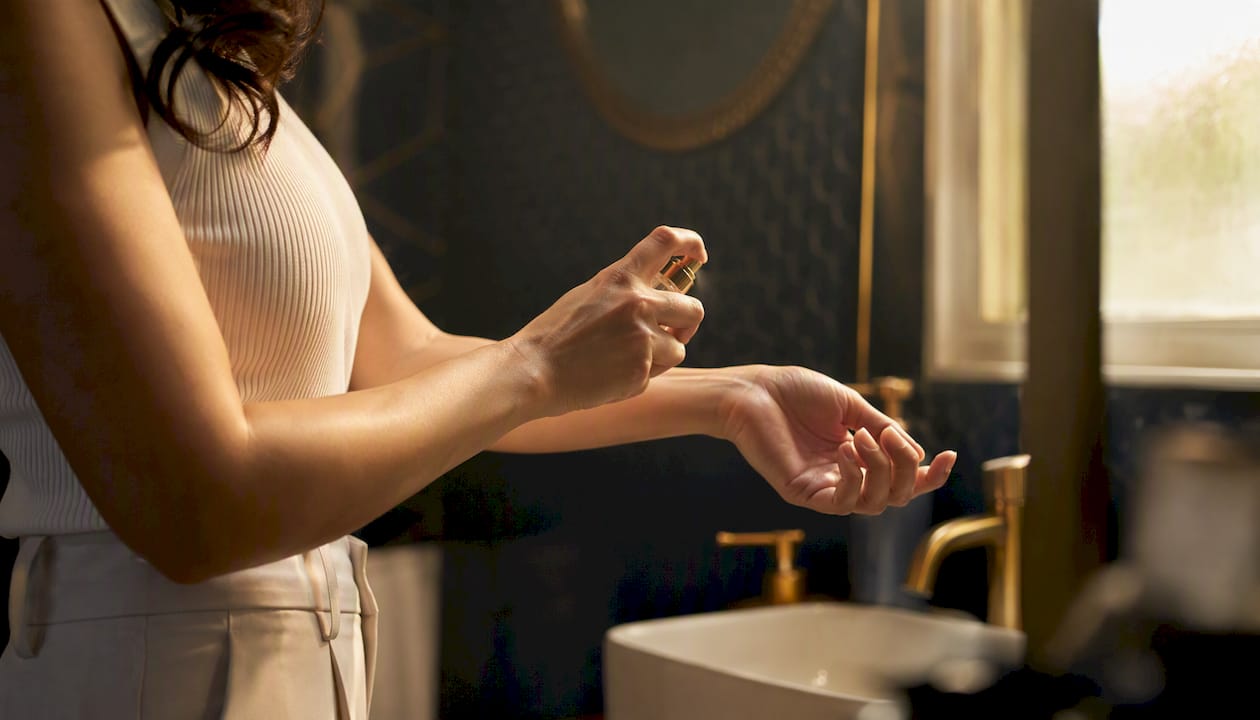
- Spray pulse points and some clothing. Wrists, neck, inner elbows, and the back of knees are ideal. A light mist on fabric adds lasting power without relying on skin alone.
- Never rub your wrists together. Friction breaks down delicate top notes and disrupts the fragrance structure, according to experts.
- Choose a higher concentration. Parfum and EDP formats outlast EDTs and body mists by several hours.
- Store your bottles correctly. Cool, dark, stable-temperature spots preserve the formula. Your bathroom shelf is one of the worst places for a fragrance.
- Carry a travel atomizer. A small refillable atomizer lets you top up discreetly without lugging a full bottle.
Pro Tip: Apply a thin layer of unscented petroleum jelly (like Vaseline) to your pulse points before spraying. The occlusive barrier slows evaporation and gives fragrance molecules something to cling to.
Key Takeaways
Moisturizing before application and choosing a higher-concentration format are the two most reliable ways to extend how long a fragrance lasts on skin.
| Point | Details |
|---|---|
| Moisturize before spraying | Apply unscented lotion or petroleum jelly to pulse points to slow evaporation. |
| Avoid rubbing wrists | Friction breaks down top notes; let the fragrance dry naturally instead. |
| Choose EDP or parfum | EDPs often last 5+ hours; parfums typically reach 8+ hours versus around 3 for EDTs. |
| Store away from heat and light | Cool, dark, stable conditions preserve the formula and prevent degradation. |
| Carry a travel atomizer | A 10 ml refillable atomizer lets you top up cleanly without over-spraying. |
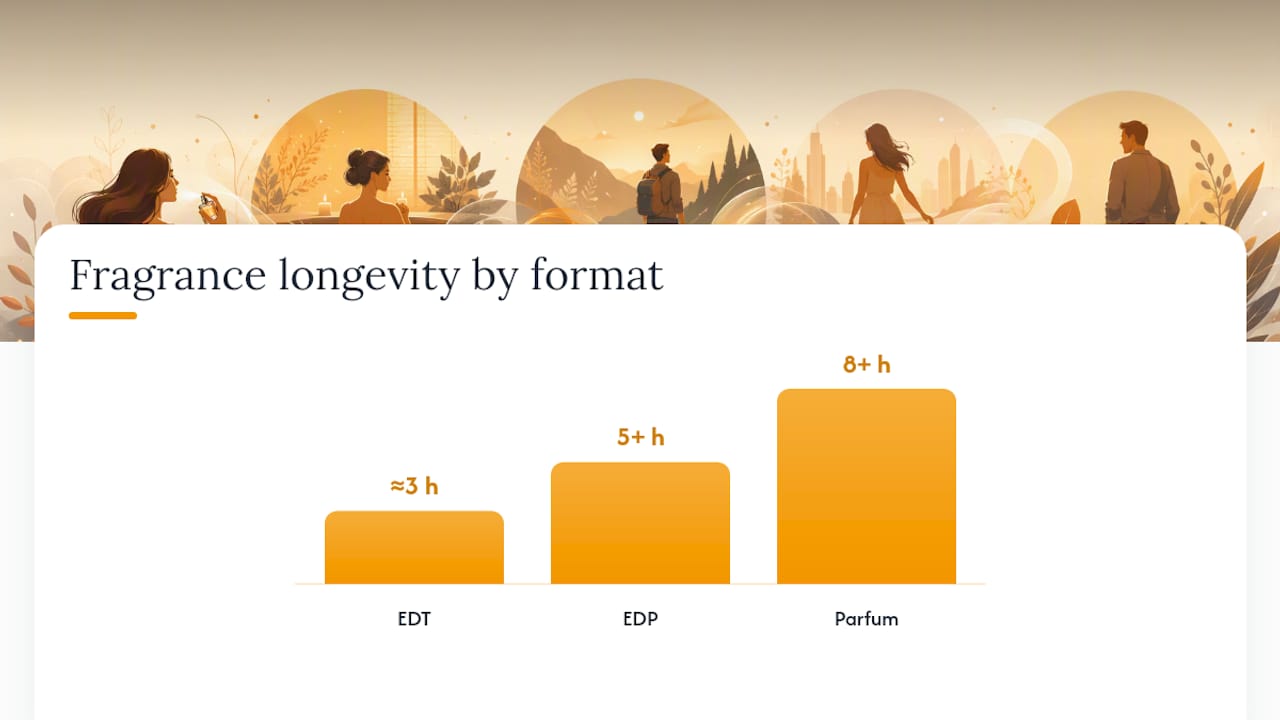
Table of Contents
- How to apply perfume for maximum longevity
- Why does fragrance fade? Concentration, volatility, and the perfume pyramid
- Which application techniques actually extend wear time?
- How skin type and preparation affect fragrance longevity
- Storage and product choices that make a real difference
- How to top up safely during the day
- What to look for when buying a longer-lasting fragrance
- A retailer’s perspective on making scent last
- Sources
How to apply perfume for maximum longevity
Timing and sequence matter more than most people realize. The best moment to apply is right after a shower, when your skin is clean and still slightly warm. Pores are open, and the residual moisture helps fragrance molecules bind to the skin surface.
Follow this routine in order:
- Pat skin mostly dry, leaving it just slightly damp.
- Apply an unscented or matching-scented lotion to pulse points and let it absorb for 30 seconds.
- Hold your bottle 6–8 inches from your skin and spray pulse points: wrists, neck, inner elbows. Two to three sprays of an EDP or parfum is usually enough; four to five for an EDT; six or more for a body mist.
- Add a light mist to your hair or the inside of your collar if you want extra projection. Always test fabric for staining on an inconspicuous area first, and keep distance from delicate or light-colored materials.
- Let the fragrance dry naturally. Do not rub.
A few quick notes on counts:
- Parfum/extrait: 1–2 sprays
- EDP: 2–3 sprays
- EDT: 3–5 sprays
- Body mist: 5–7 sprays
Pro Tip: Layer a matching body lotion under your perfume before the spray. The lotion acts as a primer, giving the top notes something to anchor to and extending the heart and base notes well into the afternoon. See the perfume application process guide for a full breakdown of common mistakes.
Why does fragrance fade? Concentration, volatility, and the perfume pyramid
Fragrance fades because its molecules evaporate. The speed at which they do depends on two things: volatility (how quickly a compound turns from liquid to vapor) and concentration (how much aromatic material is in the formula).
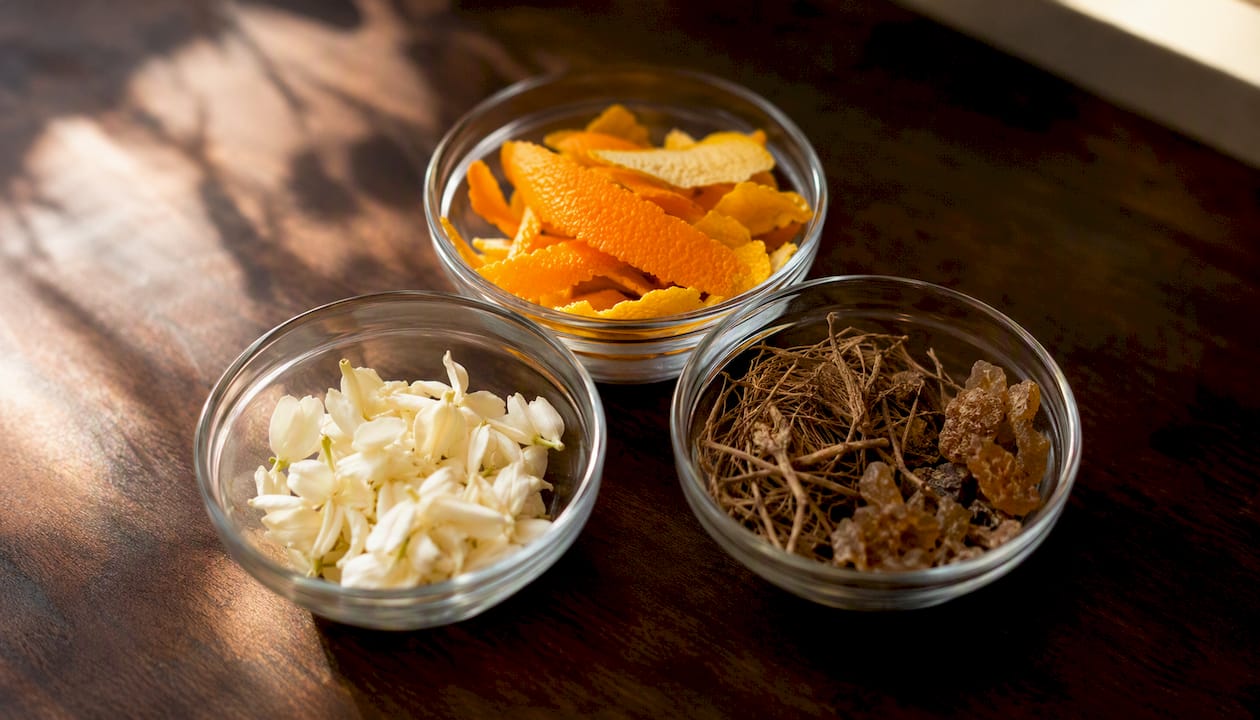
Every fragrance is built in three layers, called the perfume pyramid. Top notes are the lightest and most volatile compounds. They hit first and fade within 15–30 minutes. Heart notes emerge next and carry the character of the scent for several hours. Base notes, built from heavier materials like woods, resins, musk, and amber, evaporate slowly, forming the long-lasting backbone of the fragrance.
A Shimadzu GC–MS on-skin study measured this decline precisely: roughly 58 of 60 monitored fragrance compounds were detectable at 15 minutes, 52 at 1 hour, and only 19 at 6 hours. That steep drop in the first hour is almost entirely top notes leaving the skin.
Concentration determines how much aromatic material is present to begin with. Industry reporting describes typical wear times for parfum/extrait, EDP, EDT, and body mist/cologne, with parfums generally lasting the longest and body mists the shortest.
Temperature and humidity also play a role. Warm, humid conditions accelerate evaporation; cool, dry environments slow it. For a deeper look at how concentration shapes what you smell and for how long, the EDP guide at Aromatick explains the practical differences clearly.
Which application techniques actually extend wear time?
Placement and habits at the moment of application have an outsized effect on how long a scent projects and lingers.
Pulse points work because warmth drives diffusion. The neck, wrists, inner elbows, and back of knees all sit close to blood vessels, generating gentle, consistent heat that helps fragrance molecules lift off the skin and project into the air around you.
Rubbing wrists together is one of the most common mistakes in fragrance application. The friction generates heat and physical abrasion that crushes the delicate top-note compounds before they can develop properly. Experts consistently advise against it. Let the fragrance settle on its own.
Hair and fabric extend longevity noticeably. Fabric fibers hold fragrance molecules longer than skin does, which is why a spritz on the inside of a collar or a scarf can still be detectable hours after your skin has faded. For hair, spray from at least 8 inches away to avoid alcohol drying out the strands. Always spot-test a fabric swatch before applying to delicate or light-colored clothing, as some fragrance oils can leave a mark.
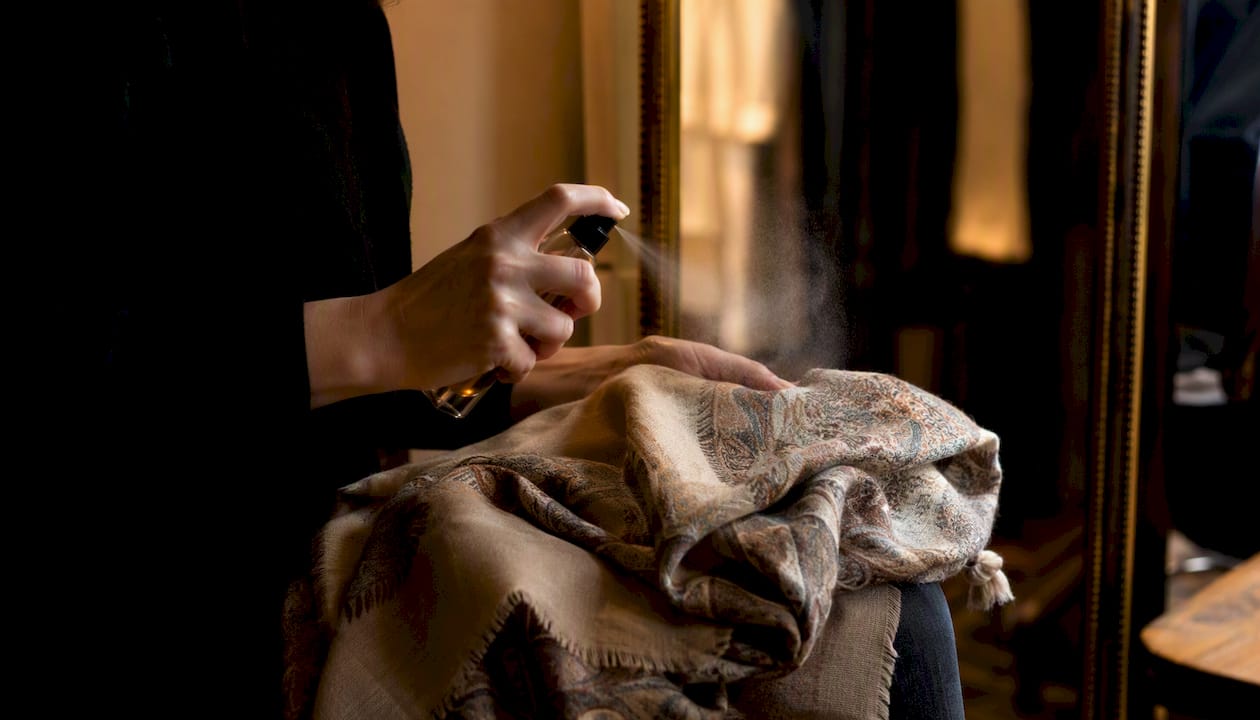
Pro Tip: Apply a perfume oil or solid perfume to pulse points first, then spray your regular fragrance on top. The oil layer acts as a slow-release base, feeding the spray’s top and heart notes as they begin to fade. This micro-layering technique is especially useful with lighter EDTs.
How skin type and preparation affect fragrance longevity
Your skin is not a neutral surface. Its hydration level, oil content, and even its microbial environment all influence how a fragrance develops and how long it stays detectable.
Dry skin is the most common reason a fragrance fades faster than expected. Fragrance molecules need something to cling to, and parched skin offers very little. Slightly oilier skin tends to hold scent longer because the natural lipids slow evaporation. This is why moisturizing before application is the single most reliable fix for anyone who finds their perfume disappears quickly.
Practical prep steps:
- Apply an unscented lotion or a light facial oil to pulse points 5–10 minutes before spraying.
- Avoid over-cleansing with harsh soaps, which strip the skin’s natural oils and leave it especially dry.
- If you have sensitive skin, choose fragrance-free moisturizers to avoid layering irritants under your perfume.
- For a professional skin-treatment context, services like those at House of Wellness can alter skin surface characteristics, which may temporarily affect how a fragrance opens.
Skin pH can influence how a perfume opens on your skin, but research suggests that hydration, oil level, and application technique have a larger practical impact than pH alone for most people. A PubMed-indexed study also found that physical adsorption drives most of the interaction between fragrance and clean dry skin, though microbial activity in areas like the underarm can alter certain ingredients over time. The practical takeaway: focus on hydration first.
Storage and product choices that make a real difference
How you store a fragrance and which format you choose both directly affect how well it performs on skin.
Concentration hierarchy for longevity:
- Parfum/extrait: highest oil concentration, longest wear
- EDP: strong balance of longevity and projection
- EDT: lighter, shorter wear, better for daytime or warm weather
- Body mist: lowest concentration, needs frequent reapplication
- Perfume oils and attars: oil-based rather than alcohol-based; they tend to stay close to the skin but can last 6–8 hours or more because the oil base slows evaporation
Storage rules that preserve your investment:
- Keep bottles in a cool, dark drawer or cabinet, away from windows and heat sources.
- Avoid the bathroom entirely. Steam and temperature swings accelerate formula degradation.
- Store upright to minimize air exposure through the pump mechanism.
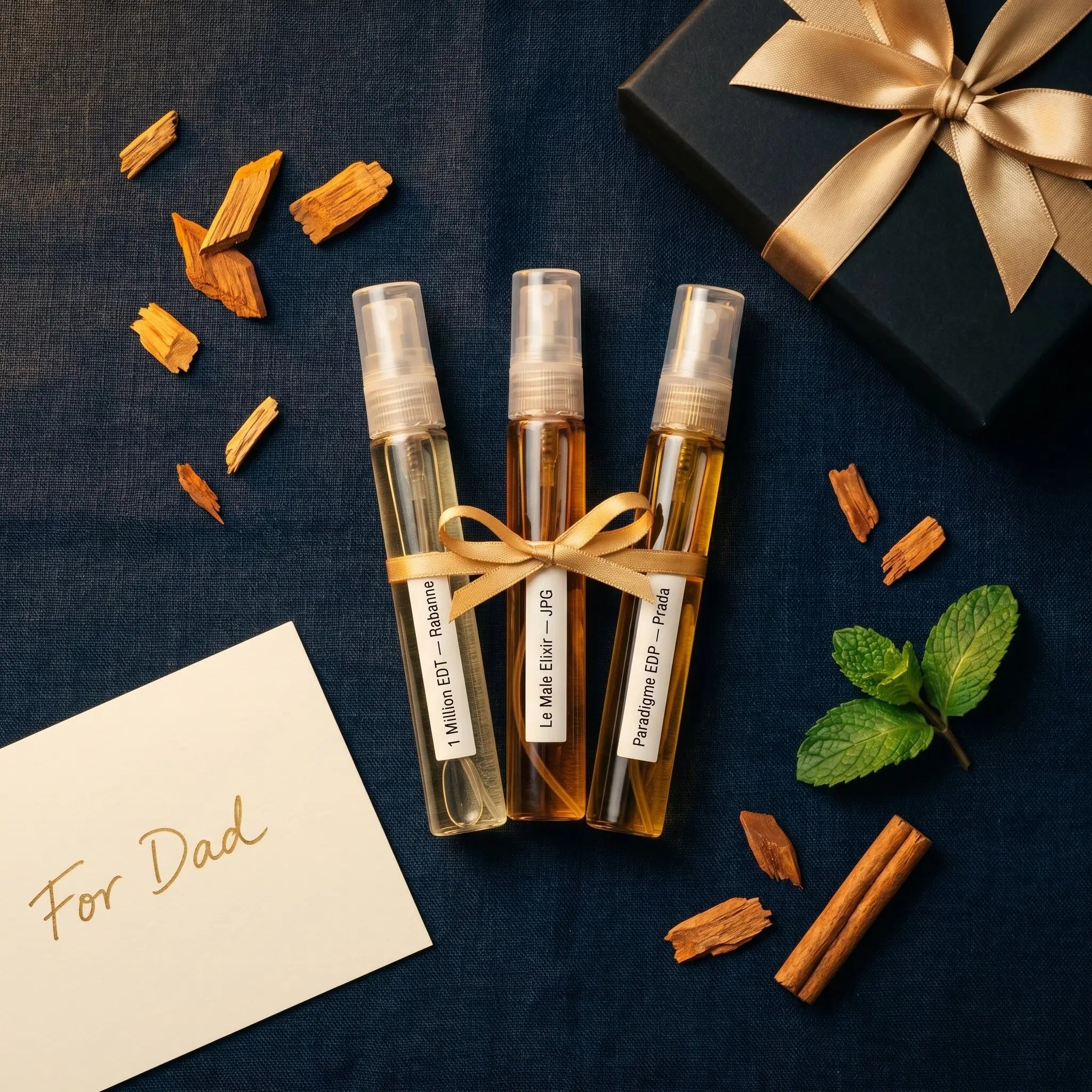
Pro Tip: Before committing to a full bottle of a high-concentration parfum, try a decant or discovery set. Aromatick’s fragrance shopping guide explains how to use decants to test longevity on your own skin chemistry before spending on a full bottle.
How to top up safely during the day
Reapplication does not have to mean carrying a full bottle or over-spraying. A few compact formats make it easy to refresh your scent without the risk of overdoing it.
- Refillable atomizer: Fill from your main bottle at home. Most hold 5–10 ml, enough for several days of touch-ups. TSA rules allow liquids in containers of 3.4 oz (100 ml) or less in a single quart-sized bag for carry-on luggage.
- Rollerball: Ideal for perfume oils. Apply directly to pulse points for a subtle, controlled refresh.
- Decant: A pre-filled sample-size bottle. Useful for travel and for testing a fragrance’s longevity on your skin before buying a full size.
A simple scent maintenance kit for your bag: a 10 ml atomizer of your main fragrance, a small unscented lotion, and a blotting paper to absorb excess oil before reapplying. Blotting first prevents buildup that can turn a fragrance sour over the course of a day.
Pro Tip: When refilling an atomizer, use a small funnel or the bottle’s own nozzle adapter if available. Avoid exposing the fragrance to air longer than necessary, as oxidation gradually changes the scent profile.
What to look for when buying a longer-lasting fragrance
Selecting a fragrance with longevity in mind comes down to two things: note structure and concentration. You can read both from a fragrance’s description before you buy.
Fragrance families that tend to last longer:
- Woody: sandalwood, cedarwood, vetiver
- Oriental/amber: benzoin, labdanum, vanilla, tonka bean
- Resinous: frankincense, myrrh, oud
- Musky: white musk, ambrette
- Leather: birch tar, castoreum-inspired synthetics
Citrus, green, and aquatic families are built on volatile top notes and tend to fade faster. They can still be excellent choices for warm weather, but expect shorter wear times.
Quick selection tips:
- Try a fragrance on your skin and wait at least 30 minutes before deciding. Top notes are misleading; the heart and base tell you what you’ll actually smell all day.
- Test on both skin and a fabric swatch simultaneously to compare longevity.
- Prefer EDP or parfum formats for all-day wear. Aromatick’s guide to long-lasting perfumes covers how to read note structures when shopping online.
- Look for dense base notes in the fragrance description. A scent listed as “woody amber with a musk dry-down” will almost always outlast one described as “fresh citrus and green tea.”
Perfumer and expert guidance consistently points to heavy base-note families as the most reliable predictor of longevity, regardless of brand or price point.
Pro Tip: If you love a lighter scent family (citrus, aquatic) but want more wear time, look for versions built on a woody or musky base. Many modern citrus fragrances use a vetiver or musk foundation specifically to extend longevity without losing the fresh opening.
A retailer’s perspective on making scent last
The most consistent pattern I see among fragrance shoppers is this: people buy a beautiful EDP, apply it once, decide it “doesn’t last,” and move on. Nine times out of ten, the issue is dry skin or a single spray on a wrist that gets washed within the hour.
Two habits change that immediately. First, moisturize before you spray, every single time. Second, use decants to test a fragrance’s longevity on your own skin before committing to a full bottle. Skin chemistry varies enough that a fragrance lasting eight hours on one person may fade in three on another. Decants and discovery sets exist precisely to solve that problem.

From rich EDPs to high-concentration parfums built on lasting base notes, the designer fragrance collection is a strong place to start. Prefer niche? The niche fragrance collection includes parfum and extrait options with the dense base-note structures that hold up all day.
Sources
- How to Apply Perfume So It Lasts Longer, According to Experts
- 10 Tips to Make Your Perfume Last Longer | Cosmopolitan
- Study exploring physical and chemical interactions between skin and perfume (journal abstract)
- Does Skin pH Affect Perfume Longevity? | Perfume On Skin

Leave a comment
This site is protected by hCaptcha and the hCaptcha Privacy Policy and Terms of Service apply.