
The Real Advantages of Authentic Scents for You
TL;DR:
- Authentic scents have verified, unaltered chemical profiles that produce stronger emotional and memory responses than synthetic fragrances. They provide measurable mood benefits, enhanced safety through laboratory testing, and deeper personal connections when used consistently to build associations. Choosing verified, natural fragrances ensures a richer sensory experience, safeguarding health and amplifying the emotional impact of gifting or personal use.
Authentic scents are fragrances with a verified, unaltered chemical profile that directly engages the brain’s olfactory and limbic systems, producing emotional and memory responses that synthetic or adulterated alternatives cannot reliably replicate. The advantages of authentic scents extend well beyond pleasant smell. They include measurable mood benefits, stronger memory associations, greater safety, and a richer personal experience. This article draws on 2026 neuroscience research, laboratory testing standards, and practical fragrance expertise to explain exactly why choosing real scents matters, whether you are shopping for yourself, selecting a gift, or creating a signature home atmosphere.
1. How authentic scents enhance mood and emotion
The neurological case for authentic fragrances is unusually strong. Olfactory signals bypass the thalamus and connect directly to the amygdala and hippocampus, the brain structures most responsible for emotional processing and memory. No other sense has this direct wiring. That is why a single breath of a familiar scent can produce an immediate emotional shift before conscious thought even registers the smell.
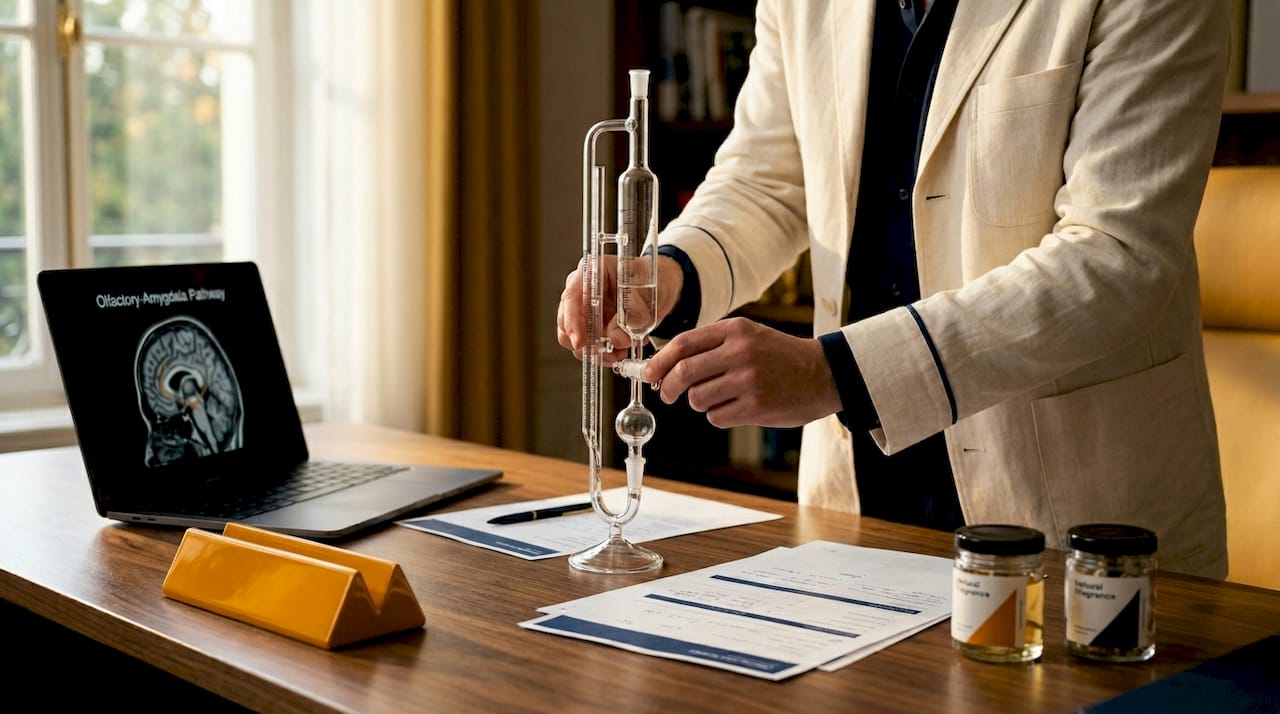
Recent fMRI research confirms that odor pleasantness is encoded across multiple brain regions simultaneously, including the piriform cortex, orbitofrontal cortex, and ventromedial prefrontal cortex. This distributed encoding means authentic fragrances with a consistent chemical profile produce richer, more reliable emotional responses than synthetic approximations with incomplete or unstable molecular compositions.
Natural wood aromas offer a concrete example. Studies show that hinoki cypress aroma modulates the hypothalamus, reducing heart rate and promoting autonomous calm. This is not a placebo effect. It is a measurable physiological response to specific odorant molecules present only in the authentic material.
- Citrus top notes (bergamot, lemon, grapefruit) produce alertness and invigoration
- Lavender and chamomile reduce cortisol-linked tension
- Sandalwood and vetiver promote grounded, calm states
- Rose and jasmine are associated with warmth and emotional openness
Pro Tip: Select one scent per intended mood state and use it consistently in that context. Your brain will strengthen the association over time, making the mood shift faster and more reliable with each use.
2. What safety and quality advantages come with authentic scents
Authenticity is not just a marketing claim. It is a measurable quality standard with direct safety implications. Essential oils and natural fragrance ingredients are among the most adulteration-prone products in the consumer market. Some essential oils fail authentication in over 50% of commercial samples, meaning the product you buy may contain diluted, substituted, or entirely synthetic material presented as natural.
The consequences go beyond disappointment. Non-authentic products carry real risks:
- Pesticide residues from improperly sourced botanical materials
- Heavy metal contamination from unregulated extraction equipment
- Undisclosed allergens added as synthetic extenders or fixatives
- Microbial contamination from poor manufacturing hygiene
- Incorrect dilution ratios that cause skin sensitization or irritation
Laboratory methods like gas chromatography-mass spectrometry (GC-MS) and isotope ratio mass spectrometry detect dilution, synthetic substitution, and geographic misrepresentation with precision that sensory evaluation alone cannot match. Reputable suppliers publish batch analysis certificates, and fragrance authenticity verification is now a documented process with clear industry protocols.
| Verification method | What it detects |
|---|---|
| GC-MS analysis | Synthetic substitution, adulteration, off-profile odorants |
| Isotope ratio MS | Geographic misrepresentation, synthetic carbon sourcing |
| Batch certificate review | Lot-specific purity, allergen disclosure, regulatory compliance |
| Supplier audit | Sourcing transparency, harvesting practices, chain of custody |
One nuance worth understanding: authentic does not automatically mean risk-free. Natural origin does not eliminate contaminants or allergens. Products must still meet ISO, FDA, and EU regulatory frameworks to be considered safe for personal use.
Pro Tip: When evaluating a fragrance supplier, ask specifically for a certificate of analysis (COA) for the batch you are purchasing. Any reputable source will provide one without hesitation.
3. How authentic scents support memory and cognitive associations
The relationship between smell and memory is more direct than any other sensory pathway. Odors uniquely engage hippocampal pathways that support episodic memory retrieval, which is why a scent can transport you to a specific moment with startling clarity. This is not nostalgia. It is a structural feature of how the olfactory system connects to the brain’s memory architecture.
Authentic scents leverage this pathway more effectively than synthetic alternatives because their chemical profiles are complete and consistent. A synthetic fragrance may approximate the top notes of a natural material but miss the trace compounds that give the full olfactory picture. The brain encodes the incomplete version differently, and the memory association formed is correspondingly weaker.
Repeated exposure to the same authentic scent in a consistent context strengthens the emotional and cognitive association over time. This is the same principle behind olfactory branding used by luxury hotels and retail environments. The scent becomes a reliable emotional cue, not just a pleasant background detail.
For gifting, this has practical implications:
- A fragrance tied to a shared memory (a vacation destination, a loved one’s garden, a meaningful occasion) carries emotional weight that a generic gift cannot
- Signature scents given as gifts become associated with the giver, deepening the personal connection each time the recipient wears them
- Natural fragrance families like oud, rose, or vetiver carry cultural and personal histories that add layers of meaning beyond the scent itself
The cognitive benefits of authentic scents are cumulative. The longer and more consistently you use a real scent in a specific context, the more powerful its mood and memory effects become.
4. Practical lifestyle advantages of authentic scents at home
Signature scents shape ambiance and promote psychological wellbeing in ways that generic air fresheners simply do not. A carefully chosen authentic fragrance in your home creates a sensory environment that is distinctly yours, and that consistency has real psychological value. It signals safety, comfort, and personal identity to your brain every time you enter the space.
Different fragrance families serve different functional purposes in the home:
- Citrus and green notes (yuzu, basil, lemon verbena): best for kitchens, home offices, and morning routines
- Woody and earthy notes (cedar, patchouli, sandalwood): ideal for living rooms and spaces meant for unwinding
- Floral and soft musks (peony, white musk, iris): suited to bedrooms and personal spaces
- Spice and resin notes (amber, benzoin, clove): create warmth in communal areas during cooler months
The method of diffusion matters as much as the scent itself. Reed diffusers provide a constant, low-level presence without heat degradation of delicate odorants. Electric cold-air diffusers preserve the full chemical profile of essential oils. Candles add warmth and visual ambiance but can alter some volatile top notes through combustion. Room sprays offer immediate impact and are ideal for refreshing a space before guests arrive.
| Diffusion method | Best use case | Scent longevity |
|---|---|---|
| Reed diffuser | Continuous background scent | 4 to 8 weeks per fill |
| Cold-air electric diffuser | Preserving complex oil profiles | Controlled by timer |
| Scented candle | Ambiance and warmth | 30 to 60 hours per candle |
| Room spray | Immediate, targeted impact | 1 to 4 hours |
The shift toward authentic, natural scent profiles in home fragrance reflects a broader consumer preference for transparency and quality. Niche fragrance houses like Diptyque, Maison Margiela Replica, and Le Labo have built loyal followings precisely because their scent profiles are distinctive, consistent, and grounded in real materials.
Key takeaways
Authentic scents deliver measurable emotional, cognitive, and safety benefits that synthetic or adulterated fragrances cannot reliably match, making verified authenticity the single most important factor when choosing a fragrance for personal use or gifting.
| Point | Details |
|---|---|
| Direct brain pathway | Authentic scents engage the amygdala and hippocampus directly, producing stronger mood and memory effects. |
| Safety requires verification | GC-MS and batch testing are necessary because over 50% of commercial samples fail authentication. |
| Memory associations build over time | Consistent use of the same authentic scent in the same context strengthens emotional and cognitive cues. |
| Diffusion method affects quality | Cold-air diffusers preserve the full chemical profile; candles and sprays serve different functional needs. |
| Authenticity is not automatic | Natural origin does not guarantee safety; regulatory compliance and supplier transparency are both required. |
Why I trust the chemistry, not just the bottle
I have spent years exploring fragrances across designer, niche, and natural categories, and the single most consistent lesson is this: the bottle tells you almost nothing. A beautifully packaged fragrance from an unknown supplier can be a diluted, adulterated product that smells nothing like the original after an hour on skin. Meanwhile, a verified authentic fragrance from a trusted source, even at a significant discount, performs exactly as expected because the chemistry is intact.
The mood and memory benefits people describe from their favorite scents are not imagination. They are the result of specific odorant molecules interacting with specific brain pathways. When those molecules are missing or substituted, the experience degrades in ways that are hard to articulate but immediately felt. You wear it and something is just slightly off.
My advice is to prioritize suppliers who publish their authenticity guarantee details and batch testing practices openly. Establish one or two signature scents for your home and personal use, and give them time to build their associations. The emotional payoff compounds with consistent use. And when you are giving fragrance as a gift, choose something with a real story behind the ingredients. That specificity is what makes the gift memorable rather than forgettable.
— Rodney
Where to find authentic fragrances you can trust
Aromatick was built on one premise: you should not have to pay department store prices to get a genuinely authentic fragrance. Every product in the Aromatick catalog is backed by a 100% authenticity guarantee, with batch testing and verified supply chains behind each bottle. The designer fragrance collection covers hundreds of verified perfumes and colognes at 30 to 60% below retail, including Hugo Boss, and extends to niche fragrance options for those seeking something more distinctive. Whether you are building a personal scent wardrobe or choosing a meaningful gift, Aromatick gives you access to real fragrances at prices that make the choice easy.
FAQ
What makes a scent “authentic” vs. synthetic?
An authentic scent has a verified, unaltered chemical profile derived from natural or genuine fragrance materials, confirmed through laboratory methods like GC-MS. Synthetic alternatives approximate the smell but often lack the trace compounds that produce the full emotional and memory response.
Can authentic scents really improve mood?
Yes. Research shows that natural aromas like hinoki cypress measurably reduce heart rate and modulate brain regions linked to calm, confirming that mood effects from authentic scents are physiological, not just psychological.
How do I know if a fragrance is truly authentic?
Request a certificate of analysis (COA) from the supplier, or choose retailers who publish their fragrance verification process openly. Sensory evaluation alone is not sufficient to confirm authenticity.
Are natural scents always safer than synthetic ones?
Not automatically. Authentic natural fragrances still require regulatory compliance and proper dilution to be safe, since contaminants and allergens can exist even in genuine botanical materials.
Why do authentic scents make better gifts?
Authentic scents create stronger, more durable memory associations because their complete chemical profiles engage the hippocampus more effectively. A fragrance tied to a meaningful context becomes an emotional anchor, not just a pleasant accessory.

Leave a comment
This site is protected by hCaptcha and the hCaptcha Privacy Policy and Terms of Service apply.