
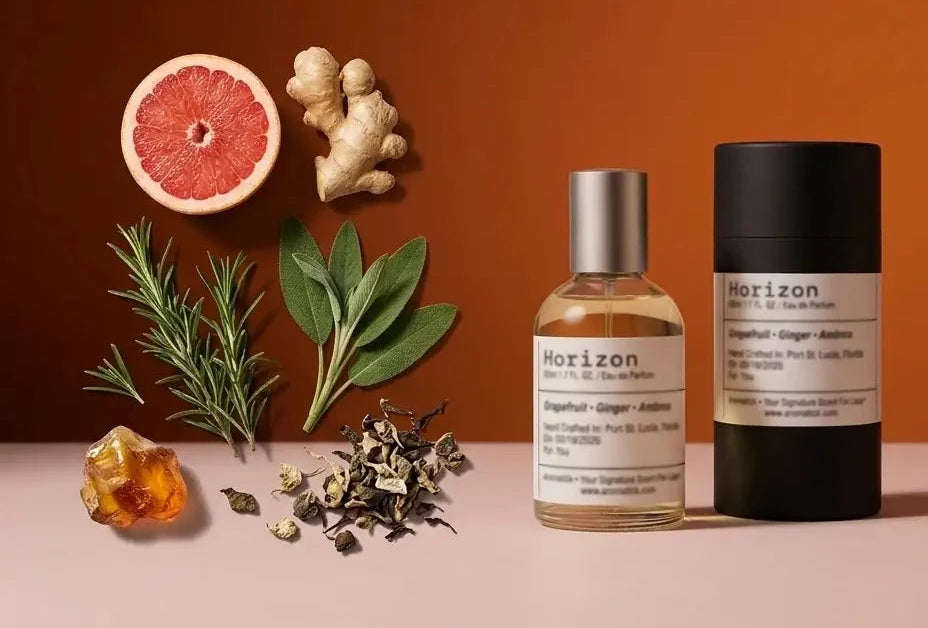
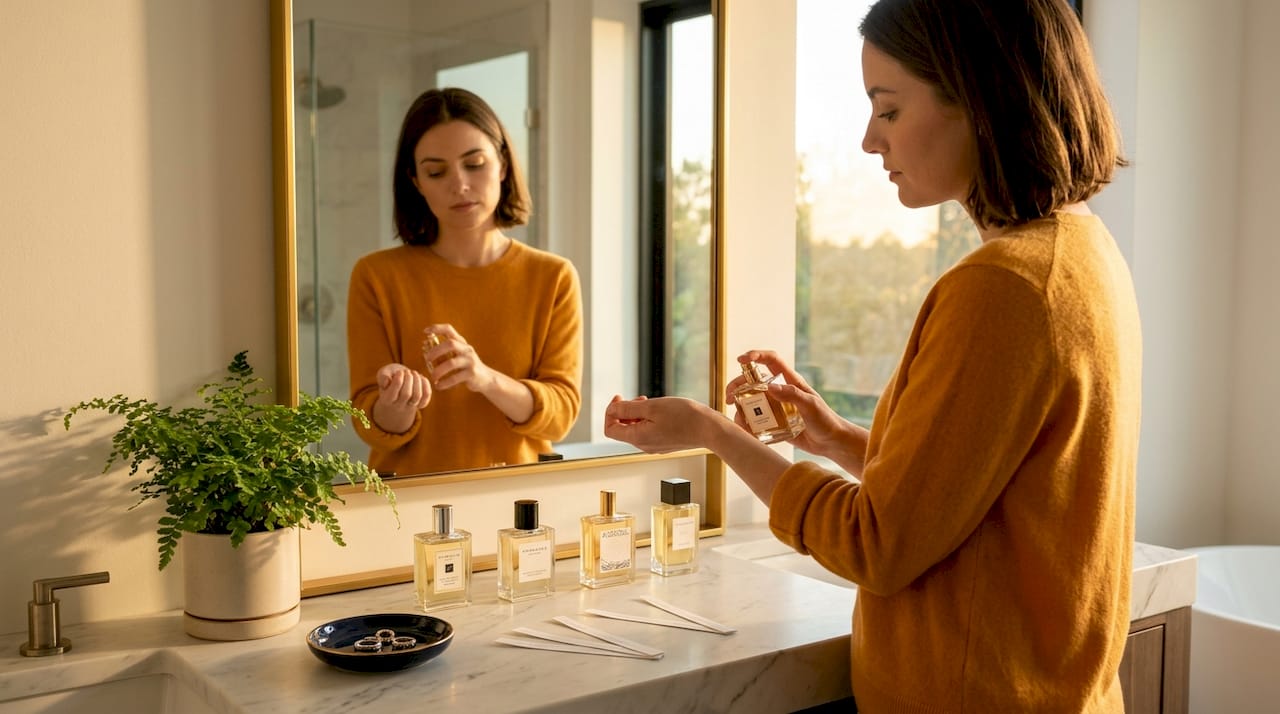
Why perfumes are layered: custom scents and lasting benefits
TL;DR:
- Perfume layering is an accessible and creative practice that allows anyone to customize their scent and extend its wear.
- By blending notes with different volatility levels, it creates unique, personal fragrances while maximizing value from existing bottles.
Most people assume perfume layering is a ritual reserved for industry insiders, collectors with overflowing fragrance shelves, or shoppers who can drop several hundred dollars on a single bottle. That assumption couldn’t be further from the truth. Layering perfumes is one of the most accessible, creative, and cost-effective practices available to any fragrance lover, regardless of experience or budget. When done thoughtfully, it transforms your existing collection into something that feels entirely your own, extends how long a scent lasts on your skin, and gives you a genuine signature instead of smelling like everyone else who bought the same bottle.
Table of Contents
- What does ‘layering’ perfume mean?
- Why layer perfumes? The science and art behind it
- Popular layering strategies (and pitfalls to avoid)
- Layering for value: Getting more out of every bottle
- What most guides miss about perfume layering
- Explore unique layering options with Aromatick
- Frequently asked questions
Key Takeaways
| Point | Details |
|---|---|
| Personalized scents | Layering perfumes lets you create a custom scent signature using products you already have. |
| Better value | You can stretch every bottle further by mixing and matching for new combinations. |
| Avoiding clashes | Not all fragrances mix well—steer clear of layering heavy or dominant scents together. |
| Easy experimentation | There are no strict rules—start small and enjoy the process as you discover new favorites. |
What does ‘layering’ perfume mean?
Perfume layering is the practice of combining two or more fragrances on your skin, clothing, hair, or even in your living space to create a blended scent that neither bottle produces on its own. It’s not a modern trend invented by marketing teams. Layering has deep roots in Middle Eastern perfumery traditions, where applying oud, rose, and musk in sequence has been standard practice for centuries.
The concept works because every fragrance is built from notes, which are the individual scent ingredients that appear at different times after application. Here’s how the structure breaks down:
- Top notes are the first impression, bright and immediate but short-lived. Think citrus, green herbs, or light florals.
- Heart notes (also called middle notes) form the core of the fragrance and emerge after the top notes fade. Common examples include jasmine, lavender, rose, and spices.
- Base notes are the foundation that lingers for hours. Sandalwood, vanilla, musk, amber, and vetiver are classic base note ingredients.
- Single-note fragrances (also called soliflores or accords) are simpler compositions built around one dominant ingredient. These are often ideal layering partners because they’re predictable.
- Accords refer to a blend of multiple ingredients that together create a recognizable effect, like “leather,” “ocean,” or “tobacco.”
When you layer two fragrances, their notes interact in real time on your skin. The result is genuinely unique. As Jo Malone London puts it, layering is “a simple, personal experiment that doesn’t require strict rules.” That’s an important point. You don’t need a chemistry degree or a perfumer’s nose. You need curiosity and a willingness to try.
“Fragrance layering is as much about self-expression as it is about scent. There is no single correct combination.”
If you’re new to the concept, our fragrance layering guide is a practical starting point for building combinations that actually hold together.
Why layer perfumes? The science and art behind it
With the basics of layering clear, it’s time to understand the benefits and the science behind why this practice works.
Different fragrance ingredients evaporate at different speeds, a property called volatility. Top notes are highly volatile, meaning they smell intense immediately but disappear within 15 to 30 minutes. Base notes are far less volatile and cling to skin fibers and clothing fabric for hours. When you layer a light, citrus-forward fragrance over a warm, woody base, you’re essentially building a scent architecture: the citrus brightens the opening, and the wood anchors it so the overall impression lasts.
Major benefits of layering include:
| Benefit | What it means in practice |
|---|---|
| Customized signature scent | You smell like no one else |
| Extended wear time | Base notes from one layer support the whole blend |
| Better value per bottle | More combinations from fewer bottles |
| Revived unused fragrances | A disliked scent can become a great layering partner |
| Seasonal adaptability | Same bottles, different blends for summer vs. winter |
The creative dimension matters just as much as the science. Layering allows you to match your scent to your mood, your outfit, or the occasion. A single bottle of a soft rose eau de parfum feels different when you apply it over a cedar-forward fragrance compared to wearing it alone. Understanding how fragrance notes work gives you a real advantage here, because you can predict roughly how two scents will interact before committing to wearing them all day.
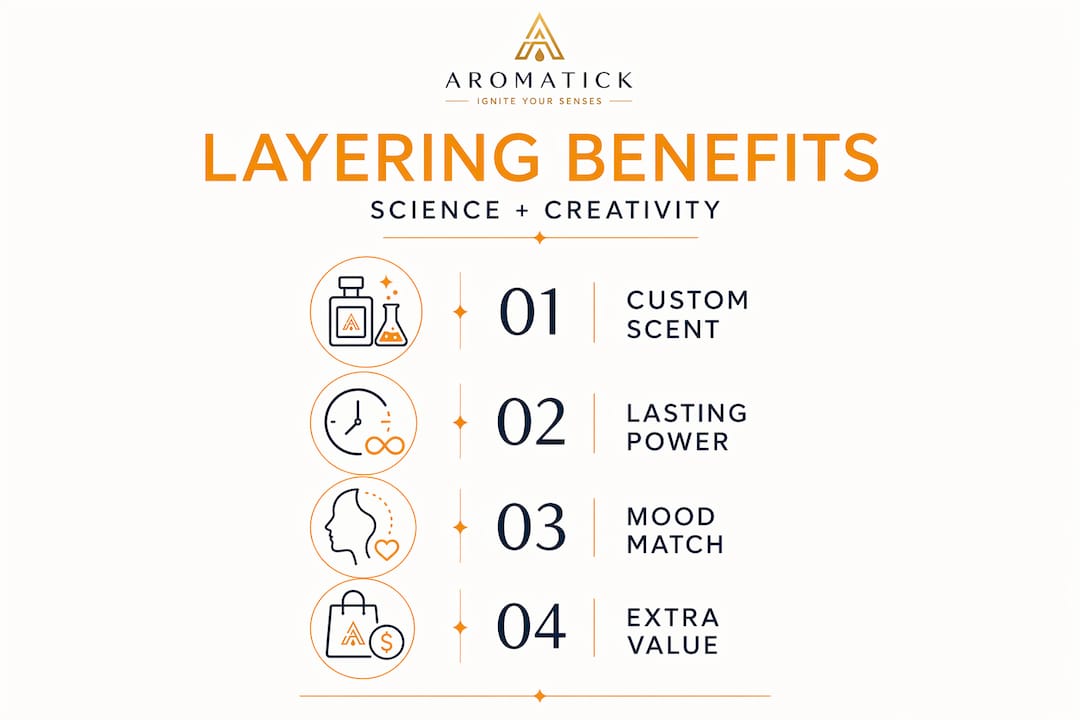
One caution worth taking seriously: layering can fail when notes or accords clash or the overall blend becomes overloaded. Two intensely sweet fragrances worn together can produce something cloying and headache-inducing. Two heavy, resinous scents layered in full doses can become oppressive. Learning to recognize compatible scent families prevents this, and avoiding fragrance collecting mistakes early will save you from wasted money and disappointing experiments.
Expert guidance for beginners:
- Start with light-to-medium intensity scents before attempting heavy combinations.
- Work within compatible scent families (floral with floral, woody with spicy, citrus with aquatic).
- Apply one scent at a time, wait a few minutes between layers, and assess before adding more.
- Less is more, always. One spray of each is enough to test the interaction.
Pro Tip: If you’re testing a new combination, spray each fragrance on opposite wrists rather than on top of each other. This gives you a sense of how they coexist without fully committing to the blend.
Popular layering strategies (and pitfalls to avoid)
Knowing why layering works, let’s look at how to do it right and what to watch out for.
Step-by-step approach to layering:
- Start with clean, moisturized skin. Fragrance clings better to hydrated skin, so an unscented lotion applied beforehand extends wear considerably.
- Apply your base layer first. This should be your heavier, longer-lasting scent, typically something with rich base notes like sandalwood, musk, or vanilla. One or two sprays on the pulse points (wrists, neck, inner elbow) is sufficient.
- Wait two to three minutes. This allows the base layer’s top notes to settle and gives you an accurate sense of what you’re building on.
- Apply your second layer lightly. This is usually a lighter, brighter scent. Spray into the air and walk through it for a subtle effect, or apply directly to one pulse point if you want more presence.
- Assess the blend after five minutes, not immediately. The full picture of a layered scent takes a few minutes to develop as the top notes of both fragrances interact.
- Adjust on your next wearing. Layering is iterative. You’ll refine ratios and combinations over time.
Beginner-friendly layering combinations:
| Base scent | Layer with | Result |
|---|---|---|
| Warm vanilla | Fresh citrus (bergamot, lemon) | Soft, approachable, versatile |
| Sandalwood or cedarwood | Rose or jasmine | Sophisticated floral-wood |
| White musk | Light floral or green tea | Clean, understated, airy |
| Amber | Spiced notes (cardamom, pepper) | Rich, warm, evening-ready |
| Vetiver | Citrus or eucalyptus | Earthy-fresh, great for daytime |
As fragrance experts note, layering fails when heavy or distinctive scents clash, so the combinations above are deliberately chosen to pair intensity levels that complement rather than compete.
Common pitfalls to avoid:
- Heavy on heavy: Oud plus tobacco plus dark patchouli is a recipe for sensory overload. Reserve rich, assertive fragrances for solo wear or pair them with very simple, clean partners.
- Clashing scent families: Aquatic fragrances often conflict with deep, resinous orientals. Citrus-forward scents don’t always blend smoothly with leather accords. Test before assuming.
- Too many sprays: More fragrance doesn’t equal more complexity. It usually just equals too much. Stick to one or two sprays of each and build up only if necessary.
- Ignoring your skin chemistry: Everyone’s skin interacts differently with fragrance ingredients. A combination that smells perfect in the bottle or on paper may read differently on you.
Pro Tip: Test your layering combinations on a fragrance blotter strip first. Spray each scent on the strip and hold them together. It’s not a perfect simulation of how they’ll behave on skin, but it gives you a fast, low-commitment preview before you spend a full day wearing a mistake.
For a deeper look at technique, the guide on how to layer fragrances like a pro covers application methods and combination strategies in thorough detail. Understanding perfume notes explained also helps you decode any fragrance description so you can predict layering compatibility before you buy.
Layering for value: Getting more out of every bottle
With common mistakes avoided, consider how layering gives you more versatility and value for your investment.

A fragrance collection of five thoughtfully chosen bottles doesn’t give you five scents. It gives you potentially dozens of combinations, each with its own mood and character. That’s a fundamentally different way of thinking about fragrance spending. Instead of buying a new bottle every time you want a different feeling, you create variety from what you already own.
How layering stretches your fragrance budget:
- More combinations, fewer purchases. Five bottles can theoretically produce ten or more combinations. Even if only half of them work well, that’s still five to eight distinct scents without any additional spending.
- Reviving overlooked bottles. If you have a fragrance sitting unused because it feels too sweet, too sharp, or too one-dimensional on its own, it may work beautifully as a layering partner. A heavy, overly sweet floral can become elegant when tempered with a clean musk or dry woody base.
- Daytime to nighttime transitions. A light, fresh daytime scent can become evening-appropriate by layering it over a warmer amber or soft oud. You’re essentially doubling the functionality of each bottle.
- Seasonal flexibility. That heavy winter fragrance you love doesn’t have to disappear in July. Layer a single spray over a bright citrus base, and you’ll find a warmer-weather version that still feels like you.
As Jo Malone London describes it, layering is “a personal, low-stakes experiment that empowers affordable scent exploration.” That framing matters because it removes the pressure of getting it perfect every time. You’re exploring, not investing in a finished product.
Pro Tip: If you share a household with a partner, family member, or roommate, consider swapping layering partners between collections. Two people with five bottles each suddenly have access to ten bottles worth of combinations, multiplying creative options without spending anything extra.
A practical guide on how to choose fragrances can also help you build a collection that’s specifically designed to work well together, making future layering experiments more likely to succeed from the start.
What most guides miss about perfume layering
Every technical guide covers compatible scent families, application order, and which notes clash. That’s valuable information. But it misses something more important: the emotional dimension of why layering is worth doing at all.
Perfume is personal in a way that clothing and accessories aren’t. Scent bypasses visual processing entirely and lands directly in the emotional centers of the brain. A layered fragrance that you created yourself, through trial, error, and genuine curiosity, carries a meaning that no off-the-shelf bottle can replicate. It smells like you, not like the person who happened to choose the same fragrance in the same department store.
The most memorable signature scents are almost never the result of careful calculation. They’re happy accidents. Someone reaches for two bottles on impulse, applies them in a moment of curiosity, and discovers something they’ve never smelled before. That experience is not reproducible by following a rulebook. It requires willingness to experiment without the fear of wasting a few sprays.
We’d also argue that the “rules” of perfume layering are best understood as starting points rather than constraints. Conventional wisdom says don’t layer two heavy fragrances. But if you love the result and wear it confidently, then it’s working. Scent has no objective judge. The only question that matters is whether you enjoy wearing it.
This is also where budget-conscious fragrance lovers have a genuine advantage over heavy spenders. When you’re not precious about any individual bottle, you experiment more freely. You reach for that underused bottle without hesitation. You discover combinations that collectors with hundreds of bottles might overlook simply because they never think to try something unexpected. Smart designer fragrance tips can help you make purchases that double as great layering partners from the moment they arrive.
Layering, at its core, is not a technical discipline. It’s a creative practice with practical rewards. Embrace the accidents, document the ones you love, and don’t let anyone tell you that your combination doesn’t follow the rules.
Explore unique layering options with Aromatick
Ready to put these layering strategies into practice? Building a scent wardrobe designed for layering is straightforward when you have access to a wide, authentic selection at prices that leave room for experimentation.

At Aromatick, you’ll find genuine designer and niche fragrances at discounts of up to 60%, which means more bottles, more combinations, and more creative freedom for less money. Browse the full designer fragrance collection for versatile options across scent families, or explore the women’s perfume collection for elegant layering partners that range from soft florals to rich orientals. Free shipping, secure payment, and a satisfaction guarantee mean you can shop with confidence as you build the layered scent wardrobe you’ve been imagining.
Frequently asked questions
Is layering perfumes safe for sensitive skin?
Most people can safely layer perfumes, but always test each single scent individually first and avoid applying layered fragrances to broken, irritated, or sunburned skin.
Can you layer any two perfumes?
Not every combination works well. You should avoid layering two heavy or strongly distinctive fragrances together, as experts caution these can clash or become overwhelming rather than creating something pleasing.
Does layering make perfume last longer?
Yes, layering fragrances, particularly combining scents with strong base notes alongside lighter ones, helps the overall blend stay noticeable and present throughout the day rather than fading quickly.
Do I need expensive perfumes to layer successfully?
No. Even budget-friendly fragrances can produce unique, lasting combinations when paired thoughtfully. As Jo Malone London notes, layering is a low-stakes experiment designed for affordable, personal exploration, not a practice limited to luxury purchases.
How do I remember combinations I like?
Keep a simple notebook or phone note listing the two or three fragrances you used, how many sprays of each, and the order of application. This makes it easy to recreate a successful blend consistently.

Leave a comment
This site is protected by hCaptcha and the hCaptcha Privacy Policy and Terms of Service apply.