
Your Fragrance Care Workflow: A Complete 2026 Guide
TL;DR:
- Proper storage and handling practices significantly extend the shelf life of perfumes by protecting them from heat, light, humidity, and air exposure. Keeping bottles in stable, dark, and cool environments, using original packaging, and decanting when bottles are nearly empty help preserve scent integrity over time. Daily habits like replacing caps, storing bottles upright, and periodic checks prevent premature degradation and ensure fragrance quality.
A fragrance care workflow is the set of storage, handling, and maintenance practices you follow to protect your perfume collection’s quality and longevity. Most collectors lose scent integrity not from buying cheap products, but from storing expensive ones incorrectly. Heat, light, humidity, and air exposure are the four forces that degrade aromatic molecules. The Good Housekeeping Institute and fragrance preservation experts agree that proper storage and handling extend an opened fragrance’s useful life to 3–5 years, and an unopened bottle’s life to a full decade.
What environmental conditions optimize fragrance preservation?
Temperature is the most critical variable in any scent management process. The optimal storage range is 59°F to 68°F (15°C to 20°C). Staying within that band prevents the chemical reactions that break down top notes and alter base accords.
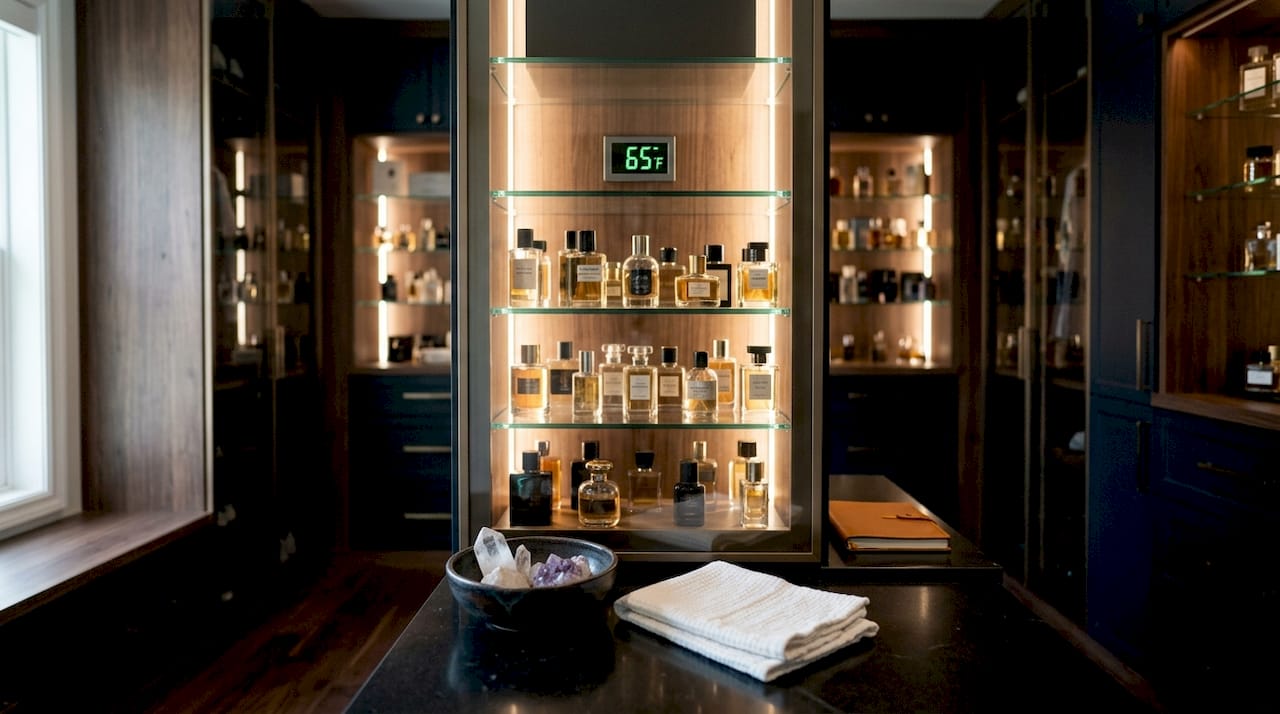
Consistency matters more than the exact number. Frequent temperature swings create molecular stress that accelerates breakdown faster than a steady warm environment would. A bedroom closet at a stable 70°F outperforms a bathroom cabinet that swings between 65°F and 90°F every morning.
Humidity is the second major factor. The ideal humidity range is 40–60% relative humidity (RH). Below 40% RH, alcohol evaporates faster through micro-gaps in seals. Above 60% RH, moisture can degrade labels, corrode metal caps, and introduce microbial risk to splash-top bottles.
UV light and heat trigger oxidation and hydrolysis, causing irreversible scent changes within weeks of sustained exposure. Accelerated aging tests conducted at 98°F to 113°F show rapid perfume degradation. That means a bottle left on a sunny windowsill in july can age the equivalent of months in a matter of days.
The worst storage spots in most homes are:
- Bathroom vanities: Steam and heat spikes from showers create the exact conditions that destroy fragrance. The Good Housekeeping Institute specifically flags bathroom storage as the single most damaging habit.
- Windowsills: Direct UV exposure degrades aromatic molecules even through tinted glass.
- Car interiors: Vehicles can reach extreme temperatures within minutes. That heat causes rapid chemical breakdown of the fragrance’s molecular structure.
- Open display shelves: Ambient light and air circulation both accelerate oxidation.
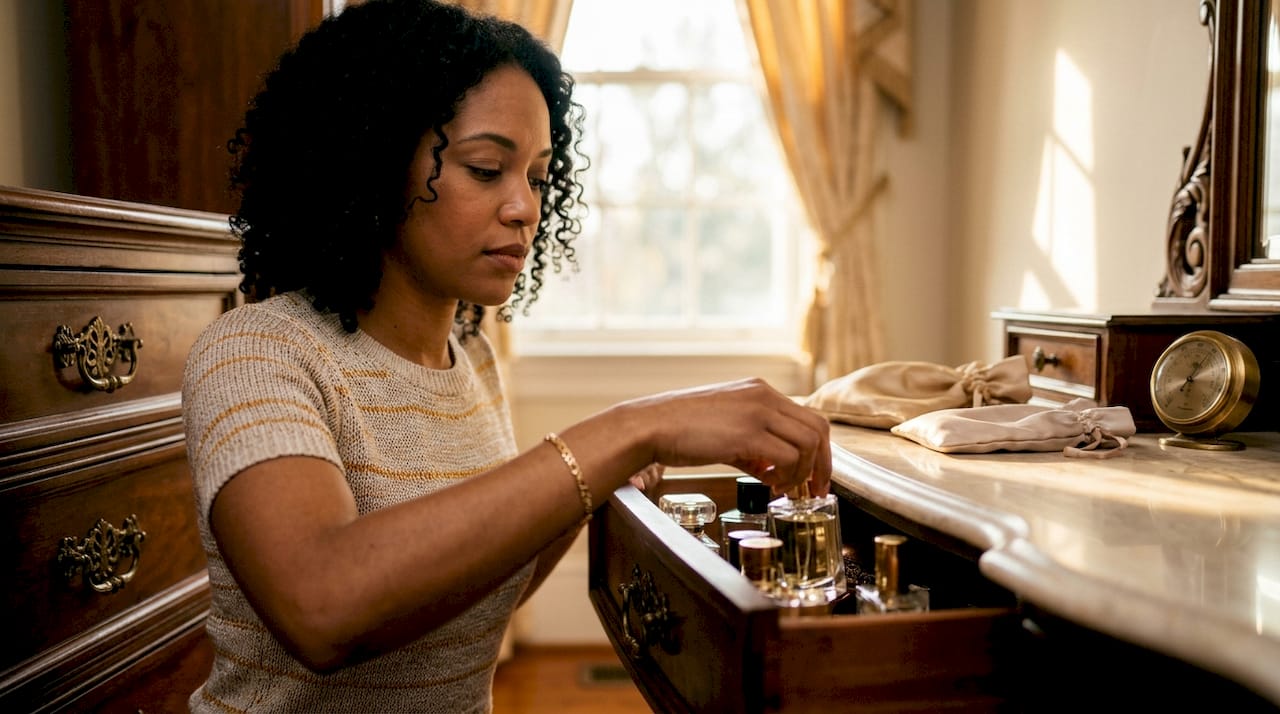
Original packaging offers real protection. Heavy cardboard boxes block UV light and buffer temperature fluctuations better than open display. Keeping bottles in their boxes is not just aesthetically tidy. It is a functional preservation method.
Pro Tip: Place a two-way humidity pack, such as a Boveda 62% RH pack, inside a closed drawer or cabinet where you store your collection. It regulates the microenvironment without any ongoing effort.
How should you handle and apply fragrances to minimize degradation?
Handling technique directly affects how long a fragrance stays true to its original character. Small habits compound over time, and the difference between a bottle that lasts three years and one that lasts five often comes down to how you open and close it.
Follow these steps every time you use a fragrance:
- Replace the cap immediately after each use. Air exposure begins the moment a bottle is open. Every second without a cap increases the headspace oxygen that drives oxidation.
- Never shake the bottle. Shaking introduces air bubbles into the liquid and accelerates oxidation. Perfume is not a salad dressing. The formula does not need mixing.
- Use spray atomizers over splash bottles. Spray bottles reduce contamination and limit air intake compared to splash-top designs, which expose the entire opening to skin contact and ambient air with every use.
- Store bottles upright. Keeping a bottle on its side increases the surface area of liquid in contact with the stopper or seal, which can cause leakage and accelerate evaporation.
- Decant when a bottle drops below half full. As a bottle empties, the growing headspace (the air-to-liquid ratio) accelerates oxidation. Transferring the remaining perfume into a smaller atomizer reduces that headspace and protects the scent.
Decanting is especially valuable for precious or vintage fragrances. A small 5ml or 10ml travel atomizer becomes your daily driver, while the original bottle stays sealed and protected. This approach also makes it practical to carry a fragrance without risking the full bottle.
Pro Tip: For long-term storage of rare or vintage bottles, professionals use inert gases to displace oxygen inside decants. Private Preserve, a wine preservation spray, works on the same principle and is available at most kitchen supply stores.
For collectors who want to share samples or test new acquisitions, fragrance decanting practices also reduce the risk of contaminating a full bottle with skin oils or external bacteria.
What does a complete fragrance care workflow look like day to day?
A reliable aroma handling workflow combines storage setup, daily habits, and periodic collection reviews. Think of it in three layers: the environment you create, the habits you build, and the checks you run over time.
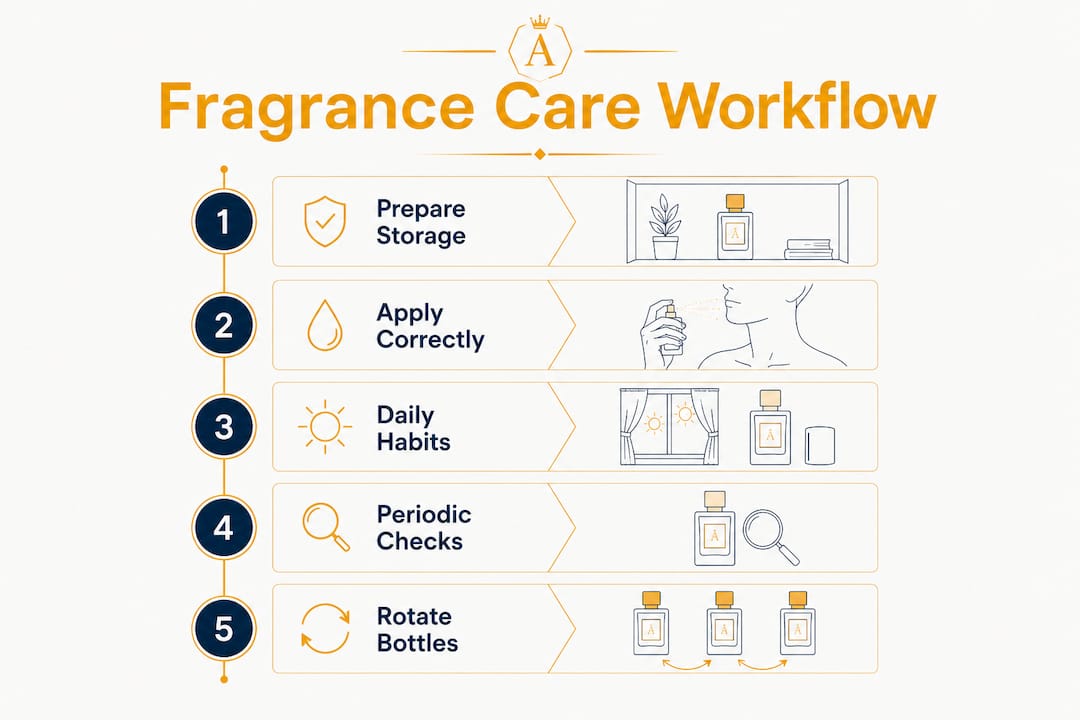
Setting up your storage environment
Before organizing your collection, confirm these conditions are in place:
- A cool, dark location with stable temperature (59°F to 68°F)
- Humidity between 40–60% RH, monitored with a basic hygrometer
- Original boxes retained for all bottles
- Bottles stored upright on a stable surface
Building daily habits
The daily layer of your fragrance maintenance practices takes under 30 seconds per bottle. Apply your fragrance, replace the cap immediately, and return the bottle to its storage spot. That is the entire routine for most days. The discipline is in the consistency, not the complexity.
Rotation strategy matters for collectors with larger libraries. Use older bottles and more volatile scents first. Citrus-forward and fresh fragrances degrade faster than woody or oriental compositions because their top notes are more chemically reactive. Checking your fragrance longevity factors helps you prioritize which bottles to reach for first.
Running periodic collection checks
Every three to six months, inspect each bottle for three indicators:
| Indicator | What to look for | What it means |
|---|---|---|
| Color | Darkening or yellowing of the liquid | Oxidation is progressing; use the bottle sooner |
| Clarity | Cloudiness or visible particles | Possible degradation or contamination |
| Scent | Flat, sour, or vinegary smell | Fragrance has turned; consider disposal |
| Headspace | More than 40% air in the bottle | Time to decant into a smaller container |
A fragrance that smells flat or sour on the skin, rather than just on the strip, has likely degraded beyond recovery. Disposing of it is the right call. Continuing to wear a degraded fragrance can cause skin irritation.
Pro Tip: Label each bottle with its purchase date using a small adhesive dot on the base. When you run your periodic check, you will know exactly how long each bottle has been open without relying on memory.
For collectors building out a serious library, Aromatick’s guide on common collecting mistakes covers the most expensive errors people make when managing larger collections.
What are the most common fragrance care mistakes?
The most damaging fragrance care mistakes are also the most common. Recognizing them is the first step toward correcting them.
- Bathroom storage: Temperature swings and steam from daily showers rapidly deteriorate perfume. Move bottles to a bedroom drawer or closet shelf immediately.
- Sunlight exposure: UV light degrades aromatic molecules at the molecular level. Even indirect light through a window causes cumulative damage over weeks.
- Shaking the bottle: This is a habit many people carry over from other liquid products. With perfume, it introduces oxygen and speeds up chemical aging.
- Ignoring headspace: Leaving a nearly empty bottle sitting for months is one of the fastest ways to ruin a fragrance. Decant it.
- Fluctuating temperatures: Moving bottles between a hot car, a cold office, and a warm bathroom in a single day creates the molecular stress that shortens shelf life most dramatically.
“Avoiding bathroom storage is the single most impactful step for preserving fragrance integrity over time. The combination of steam, heat spikes, and light exposure creates a perfect storm of degradation that no amount of careful handling can fully offset.”
Recognizing a damaged fragrance is straightforward. A scent that smells sharply sour, flat, or medicinal has oxidized. Visible darkening of a previously pale liquid confirms the same. If a fragrance causes unexpected skin redness or irritation, the chemical composition has changed enough to warrant disposal. For home decor enthusiasts who also care for scented products like candles, the same principles of fragrance preservation in home environments apply across the board.
My take on building a fragrance care practice that actually sticks
I have watched collectors spend thousands of dollars on rare bottles and then store them on a lit display shelf next to a radiator. The fragrance care workflow is not complicated. The challenge is treating it as a real practice rather than an afterthought.
The single change that made the biggest difference for me was separating display from storage. Beautiful bottles belong on a shelf for photos and enjoyment. The actual liquid belongs in a dark, temperature-stable cabinet. Once I accepted that, the rest of the workflow fell into place naturally.
Technology has made the environmental side genuinely easy. Smart safes with temperature and humidity control offer ±2°C precision and smartphone alerts when conditions drift. For a serious collector, that investment pays for itself in preserved bottles. For casual collectors, a simple hygrometer from a hardware store and a drawer with a humidity pack is more than sufficient.
The habit I recommend most strongly is tracking your collection. A simple spreadsheet with bottle name, purchase date, and approximate fill level takes five minutes to set up and transforms your rotation strategy. You stop guessing which bottle to reach for and start making deliberate choices based on age and volatility.
The deeper lesson I have learned is that buying fewer, better fragrances and caring for them properly beats accumulating bottles you cannot manage. The buy smarter approach is not just financial wisdom. It is the foundation of a sustainable fragrance practice.
— Rodney
Aromatick’s collection: quality fragrances worth caring for
A well-built fragrance care workflow deserves fragrances worth protecting. Aromatick offers authentic designer and niche perfumes at 30–60% below standard retail prices, with no compromise on genuineness.
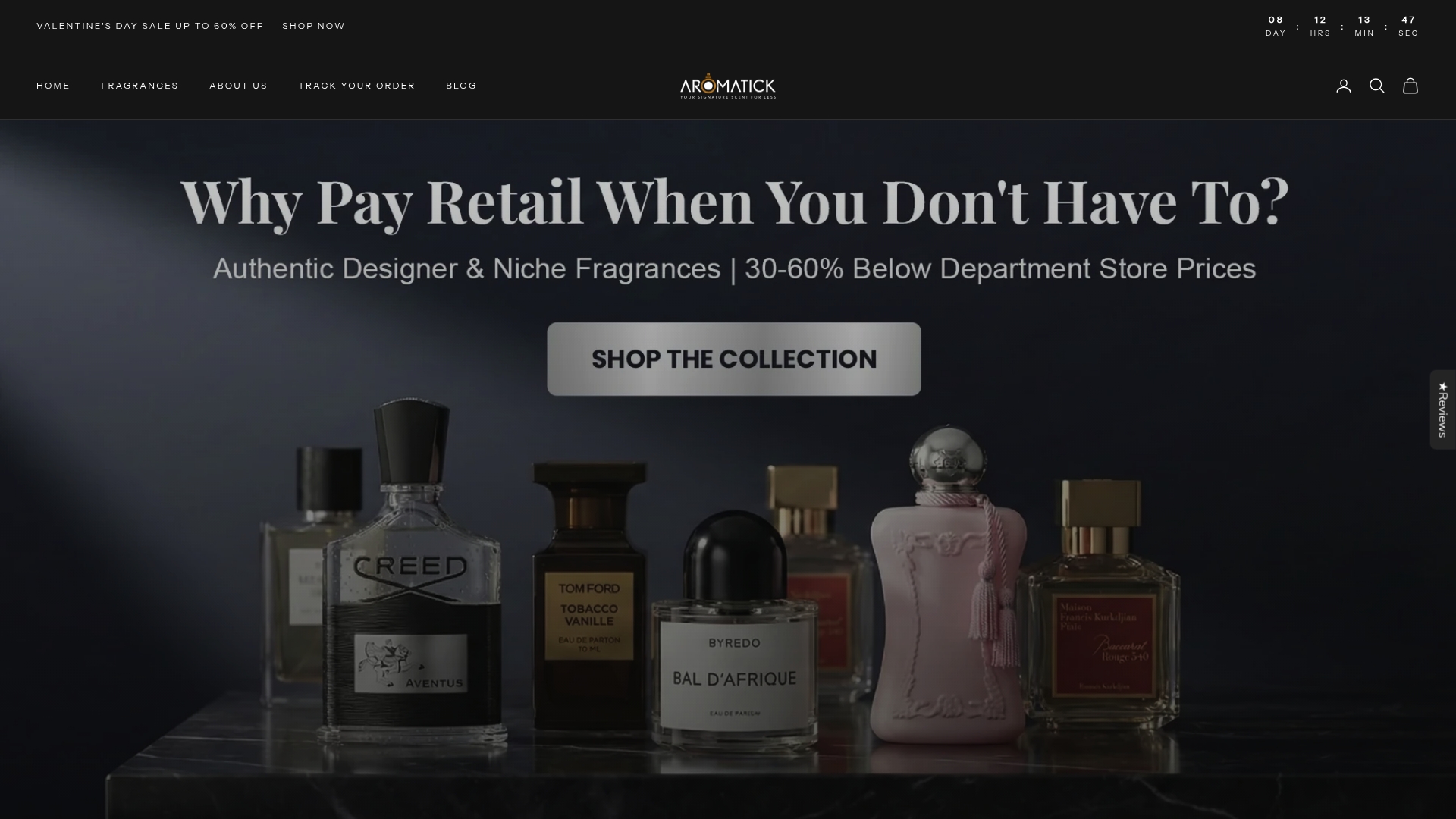
Whether you are building a first collection or adding to an established one, Aromatick’s designer fragrance collection covers the full range from everyday wearers to special-occasion bottles. The platform also carries niche fragrances for collectors who want something beyond the mainstream. Every bottle ships with authenticity assurance, free shipping, and a satisfaction guarantee. When you invest in proper care practices, the fragrances you store are worth every step of the process.
FAQ
What is a fragrance care workflow?
A fragrance care workflow is the set of storage, handling, and maintenance routines you follow to preserve your perfume’s quality and extend its shelf life. It covers temperature control, humidity management, proper handling, and periodic collection checks.
What is the best temperature to store perfume?
The optimal storage temperature is 59°F to 68°F (15°C to 20°C). Consistent temperature matters more than the exact value, since frequent swings cause molecular stress that accelerates degradation.
How long does an opened perfume last with proper care?
An opened fragrance stored correctly lasts 3–5 years. Unopened bottles stored in stable, dark conditions can remain viable for up to 10 years.
Should you decant perfume into smaller bottles?
Decanting is recommended once a bottle drops below half full. Reducing headspace (the air-to-liquid ratio) slows oxidation and significantly extends the remaining fragrance’s life.
How do you know if a perfume has gone bad?
A fragrance that smells sour, flat, or vinegary has oxidized. Visible darkening of the liquid and unexpected skin irritation are additional signs that the formula has degraded beyond use.

Leave a comment
This site is protected by hCaptcha and the hCaptcha Privacy Policy and Terms of Service apply.