
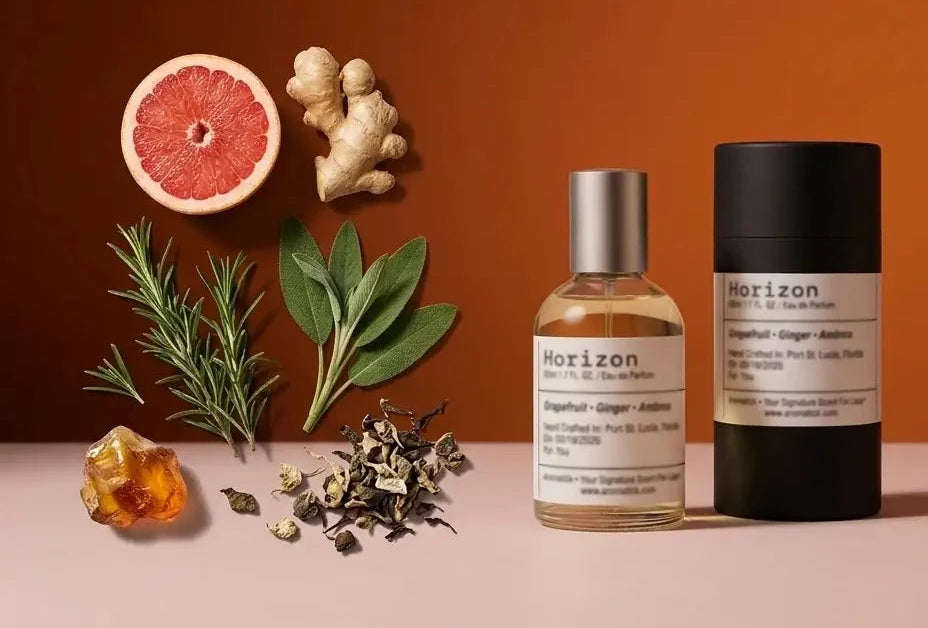
Explore the main types of fragrances: Find your perfect scent
TL;DR:
- Understanding fragrance families helps narrow options and guides confident purchasing decisions.
- Fragrance structure with top, heart, and base notes influences how a scent develops over time.
- Choosing the right concentration aligns with your occasion, lifestyle, and budget for optimal value.
Choosing a new fragrance feels exciting until you’re standing in front of a wall of bottles, each one promising something different. The sheer number of options, from light citrus sprays to dense, resinous orientals, can make the decision feel more complicated than it needs to be. The good news is that once you understand the core structure behind how fragrances are organized, the right choice becomes much more obvious. This guide walks through fragrance families, subfamilies, note pyramids, and concentration levels so you can shop confidently, whether you’re treating yourself or picking out the perfect gift.
Table of Contents
- Understand fragrance families: The foundation of scent
- Explore popular fragrance subfamilies and modern trends
- How fragrances are structured: The pyramid of notes
- Concentration and performance: Picking the right intensity and value
- Quick comparison: Matching fragrance types to your needs
- Why finding your signature scent is easier—and more affordable—than ever
- Find the perfect fragrance at a smart price
- Frequently asked questions
Key Takeaways
| Point | Details |
|---|---|
| Know fragrance families | Understanding Fresh, Floral, Woody, and Amber/Oriental families simplifies perfume shopping. |
| Watch for subfamily trends | Modern gourmand and fruity blends are surging, especially for 2026 gift giving. |
| Focus on scent structure | The top, heart, and base notes tell you how a perfume evolves on your skin. |
| Concentration equals value | Higher concentrations last longer and often offer better price-per-wear performance. |
| Test before you buy | Your skin chemistry changes a fragrance’s scent and longevity, so always do a patch test. |
Understand fragrance families: The foundation of scent
With the challenge of selection introduced, let’s start by exploring the main fragrance families you’ll encounter. These families act as a map for the entire world of perfumery. Once you know where a scent fits on that map, you immediately understand its mood, its purpose, and who it tends to appeal to.
The four main families are classified using Michael Edwards’ Fragrance Wheel: Fresh, Floral, Woody, and Amber/Oriental. Each one is distinct, and each one tells a different story on the skin.
Here’s what makes each family unique:
- Fresh: Crisp, clean, and energizing. This family covers citrus (lemon, bergamot, grapefruit), green (grass, leaves, herbs), and aquatic (ocean air, clean water) notes. Fresh fragrances are ideal for daytime wear, warm weather, and office environments where you want a light, approachable presence.
- Floral: The most widely recognized and versatile family. Expect rose, jasmine, peony, lilac, and similar blooms. Floral scents range from soft and powdery to intensely blooming, making them universally appealing and especially well-suited for gifts.
- Woody: Grounded and sophisticated. Sandalwood, vetiver, cedar, and patchouli are the main players here. Woody scents work well for evening wear and cooler months, giving off a confident, lasting impression.
- Amber/Oriental: Rich, warm, and often sensual. Spices like cinnamon and cardamom blend with resins, vanilla, and incense. These fragrances are bold and long-lasting, perfect for evenings out or colder seasons.
“Understanding which family a fragrance belongs to is the single fastest way to narrow down your options and make a confident purchase.”
If you’re new to fragrance shopping, reviewing a step-by-step fragrance selection guide can also help you move from browsing to buying with real clarity.
Pro Tip: Start by identifying which family matches your current wardrobe and daily lifestyle. Someone who gravitates toward clean, minimalist clothing often loves Fresh or Light Floral scents. Someone who wears darker, layered outfits tends to connect with Woody or Amber/Oriental fragrances.
Explore popular fragrance subfamilies and modern trends
Now that you know the main families, let’s look deeper at popular subfamilies and what’s trending right now. Within each major family, there are dozens of more specific categories that reflect personal taste, cultural influences, and modern perfumery techniques.
The Floral family is the most popular in perfumery, broken into four main subfamilies: Soft Floral (powdery, gentle, often with aldehydes), White Floral (jasmine, tuberose, gardenia, intensely heady), Floral Oriental (rich florals layered with spice and amber), and Floral Bouquet (a bright, mixed arrangement of multiple flowers). Each of these has a different energy and works for different seasons and occasions.
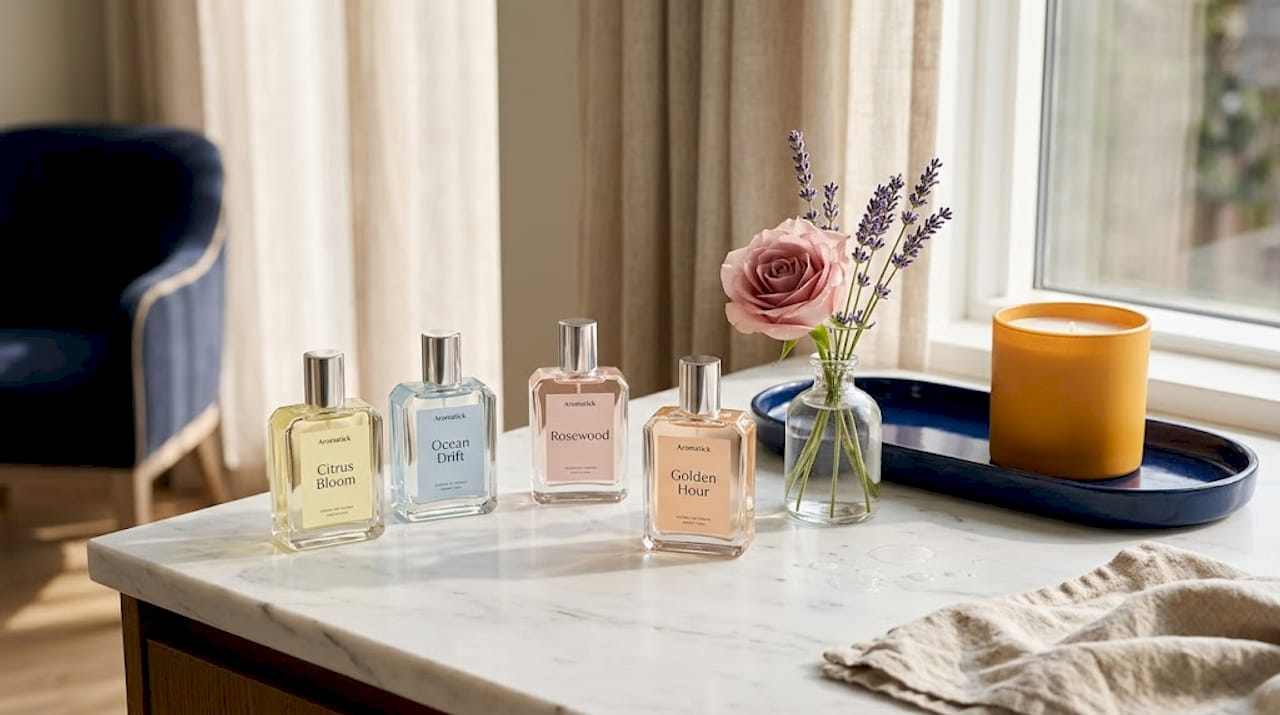
Beyond florals, modern subfamilies like Gourmand, Fruity, and Musky have surged in popularity, often blending into the main families rather than standing alone. Gourmand scents feature notes that smell literally edible, think caramel, chocolate, vanilla custard, and toasted nuts. Fruity subfamilies layer in notes like peach, raspberry, blackcurrant, and watermelon. Musky scents are clean and skin-like, often described as smelling like warm skin or freshly laundered fabric.
| Subfamily | Core notes | Best occasion | Popularity |
|---|---|---|---|
| Soft Floral | Rose, powder, aldehyde | Daily wear, office | Very high |
| White Floral | Jasmine, tuberose | Evening, weddings | High |
| Gourmand | Caramel, vanilla, cocoa | Fall/winter, evenings | Growing fast |
| Fruity | Peach, berries, citrus | Spring/summer, casual | High |
| Musky | Clean skin, white musk | Year-round, layering | Very high |
| Aquatic | Sea salt, ozonic | Summer, sport | Moderate |
One of the most interesting developments in 2026 is the continued movement away from simple, sugary sweet fragrances. Current perfume trends favor gourmand and fruity hybrid scents, particularly those built around dark fruits like black cherry, plum, and fig, combined with roasted coffee or smoky woods. These hybrids feel more complex and sophisticated than earlier gourmand releases.
For gift buyers, this trend creates a real opportunity. A modern gift fragrance that leans into fruity gourmand territory feels current, interesting, and unexpected. It moves beyond the predictable floral arrangement most people expect.
Understanding subfamilies also helps when you want to explore woody and oriental notes that anchor many of today’s most talked-about niche releases.
How fragrances are structured: The pyramid of notes
Knowing the families and subfamilies helps, but how a fragrance evolves matters just as much. Every fragrance is built around a three-layer structure commonly called the fragrance pyramid. This structure determines how the scent unfolds from the first spray through the final dry-down hours later.
The pyramid works in three stages, and understanding how they interact is what separates thoughtful fragrance buyers from impulsive ones.
-
Top notes (first 5 to 30 minutes): These are the initial impression of the fragrance. Top notes are typically light, bright, and quick to evaporate. Common top notes include citrus (lemon, bergamot, orange), herbs (basil, mint), and light spices. They grab your attention at the counter but don’t represent the full picture of the scent.
-
Heart notes (30 minutes to roughly 4 hours): Also called middle notes, these form the core character of the fragrance. Florals, green notes, soft spices, and fruits typically live here. This is where the true personality of the perfume becomes clear, and it’s the layer you should pay the most attention to when testing.
-
Base notes (4 to 12 or more hours): The longest-lasting layer, made up of heavier materials like woods, amber, musk, vanilla, and resins. Base notes develop over 4 to 12-plus hours and act as the structural backbone that anchors everything above it.
The most common mistake people make is buying a fragrance based on how it smells directly from the bottle or in the first 30 seconds. That experience is almost entirely top notes. Let a fragrance sit on your skin for at least 30 to 45 minutes before you decide whether you love it. The transformation can be dramatic.
For a deeper breakdown of how each layer contributes to the overall experience, you can explore fragrance notes explained or read about three-layer perfume notes and how they affect your buying decisions.
| Layer | Duration | Common materials | Why it matters |
|---|---|---|---|
| Top notes | 5 to 30 min | Citrus, herbs, light spices | First impression, fades quickly |
| Heart notes | 30 min to 4 hrs | Florals, soft spices, fruits | The true character of the scent |
| Base notes | 4 to 12+ hrs | Woods, musk, amber, vanilla | Lasting impression, defines longevity |
Pro Tip: When testing a fragrance for a gift, apply it to your own wrist and check it again an hour later. The base notes you’re experiencing at that point are what the recipient will notice most throughout the day.
Concentration and performance: Picking the right intensity and value
The experience and price of a fragrance aren’t just about type. They depend heavily on concentration. Fragrance concentration describes how much pure aromatic compound (the actual scent ingredient) exists in the final product, relative to the amount of alcohol and water used as a carrier.
Here are the main types from lightest to richest:
- Eau de Cologne (EDC): Typically 2 to 4% fragrance concentration. Light, refreshing, and great for casual daytime use. Most affordable, but lasts only 2 to 3 hours.
- Eau de Toilette (EDT): 5 to 15% concentration. A smart middle ground, offering good projection for daytime wear at an accessible price point. Lasts 4 to 6 hours typically.
- Eau de Parfum (EDP): 15 to 20% concentration. Richer, longer-lasting, and generally a better value over time since fewer sprays are needed. Lasts 6 to 10 hours or more.
- Parfum/Extrait: 20 to 40% concentration. The most intense and expensive form. Exceptional longevity and often features the most nuanced base notes.
Performance varies based on skin chemistry, environment, humidity, and formula, so higher concentration doesn’t automatically mean better performance for everyone. That said, higher concentrations tend to emphasize base notes and offer better long-term value since a bottle lasts longer with fewer applications.
EDT and EDC offer affordable entry points for designer scents, while EDPs provide the longevity that many fragrance enthusiasts prefer for everyday wear. Body pH alters how any fragrance smells on your skin, which is why a scent that smells extraordinary on someone else might smell completely different on you.
If you want to dig further into this topic, the guide to choosing Eau de Parfum covers why EDP is the go-to choice for most fragrance lovers. There’s also an excellent breakdown of Parfum vs Eau de Toilette differences and practical perfume longevity tips to help you get the most wear out of any bottle.
| Type | Concentration | Longevity | Best for | Relative price |
|---|---|---|---|---|
| EDC | 2 to 4% | 2 to 3 hrs | Casual, daily refresh | Low |
| EDT | 5 to 15% | 4 to 6 hrs | Daytime, office, sport | Medium |
| EDP | 15 to 20% | 6 to 10+ hrs | Everyday, gifting | Medium-high |
| Parfum | 20 to 40% | 10 to 24 hrs | Special occasions, investment | High |
Quick comparison: Matching fragrance types to your needs
You’ve learned all the building blocks; let’s tie it together with an at-a-glance decision guide that makes choosing your next fragrance simple, whether you’re shopping for yourself or for someone else.
Each concentration emphasizes different notes and offers better or lesser value depending on your lifestyle and budget. Use this framework to match the right type to the right situation.
Best situations by type:
- Fresh EDT: Morning commute, gym bag, office desk. Light and socially considerate.
- Floral EDP: Date nights, celebrations, gifts for women. Versatile and crowd-pleasing.
- Woody EDP: Business dinners, professional settings, colder months. Confident and refined.
- Amber/Oriental Parfum: Evening events, special occasions, winter layering. Bold and memorable.
- Gourmand EDT or EDP: Casual evenings, fall season, younger audiences. Fun and modern.
- Musky EDT: Year-round wear, layering under other fragrances, clean-skin effect. Subtle and adaptable.
The most practical takeaway here is this: match the concentration to the occasion, and match the family to the impression you want to make. A light Fresh EDT is never wrong for daytime work. A rich Amber EDP makes a statement at evening events. The right choice is always contextual.
Why finding your signature scent is easier—and more affordable—than ever
Here’s an opinion that often gets overlooked in conversations about fragrance: the idea that luxury perfume is reserved for people with luxury budgets is genuinely outdated.
The fragrance market has shifted dramatically. Designer houses and niche perfumers now distribute through channels that don’t require the full retail markup of department stores. Authentic, high-quality fragrances are available at real discounts, and the online fragrance community has made it easier than ever to research, compare, and test before committing to a full bottle.
What’s more, the rise of hybrid and layered fragrance trends means there’s never been more variety at every price point. You don’t need to spend $300 on a niche fragrance to smell interesting and distinctive. Some of the most celebrated gourmand and woody blends of the past few years come from mid-priced lines that perform exceptionally well.
The real barrier isn’t money. It’s knowledge. People buy fragrances they don’t truly love because they didn’t know what they were looking for. Now you do. With a clear understanding of families, notes, and concentration, the personalized selection guide approach becomes genuinely effective instead of just a theory.
Experiment without fear. Layer a musky EDT under a floral EDP. Try a gourmand fragrance you’d normally walk past. Revisit a family you dismissed years ago, because your taste evolves, and so do the formulas. The best fragrance isn’t always the most expensive one. It’s the one you reach for every day because it feels completely like you.
Find the perfect fragrance at a smart price
Ready to make your next fragrance choice with confidence? Here’s your shortcut to quality scents at every budget.
Armed with your new understanding of fragrance families, notes, and concentrations, you’re in a much stronger position to find exactly what you’re looking for without overspending. Aromatick makes this even easier by offering authentic designer and niche fragrances at up to 60% off retail prices.

Browse the full designer fragrance deals to find iconic names at prices that genuinely surprise. For something more unique, the niche fragrance selection is a great starting point for discovering bold, artistic blends outside the mainstream. If you’re shopping for her, the women’s designer fragrances collection covers everything from soft florals to richly layered orientals, all from verified, authentic sources. Free shipping, secure checkout, and a satisfaction guarantee are standard at Aromatick, so the only thing left is finding your next favorite scent.
Frequently asked questions
What are the four main types of fragrance families?
The four fragrance families are Fresh, Floral, Woody, and Amber/Oriental, organized using Michael Edwards’ Fragrance Wheel. Each family has a distinct character and works best for different occasions and personalities.
Which fragrance type lasts the longest?
Eau de Parfum generally lasts the longest among commonly purchased concentrations, because higher concentrations emphasize base notes and deliver better longevity per application. Parfum/Extrait lasts even longer but is the most expensive option.
What are modern fragrance trends in 2026?
The 2026 trend strongly favors gourmand and fruity hybrids built around dark fruits, coffee, and smoky woods rather than simple or sugary sweet notes. These layered blends feel more complex and sophisticated than earlier releases in those subfamilies.
How do I know if a scent will last on my skin?
Longevity depends on both the fragrance’s concentration and how it interacts with your unique skin chemistry. Testing a fragrance on your wrist for at least an hour before buying is the most reliable way to gauge real-world performance.
Is Floral the best family for gift fragrances?
Floral fragrances are widely considered the safest and most popular gift choice, with the Floral family’s subfamilies covering a broad range from soft and powdery to intensely romantic, making them easy to match to most recipients.

Leave a comment
This site is protected by hCaptcha and the hCaptcha Privacy Policy and Terms of Service apply.